Hygieia Group Ltd

Telephone: 01757 617301 Email: sales@hygieiagroup.co.uk

Commercial Washroom Cleaning Products: 5 Must-Haves

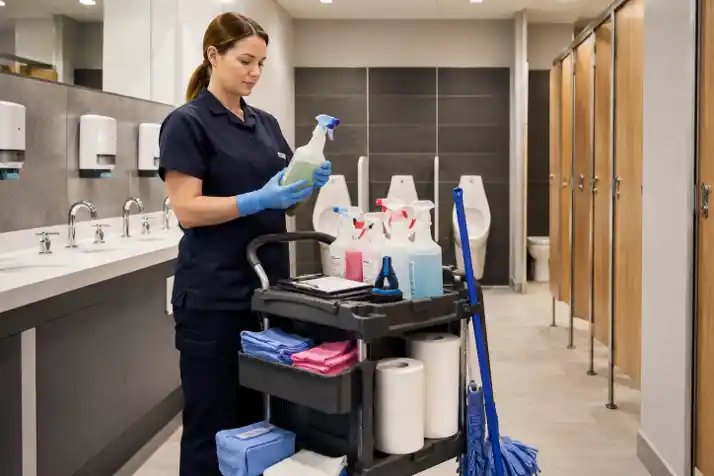
A cleaning operative applying colour-coded disinfectant spray to a washroom cubicle surface, commercial washroom cleaning products, disinfectant cleaning supplies, sanitisers and disinfectants

Must Have Commercial Washroom Cleaning Products.

Commercial washroom cleaning products are the difference between a washroom that genuinely protects health and one that merely looks presentable. Cleaning teams across the UK face this gap every single day.

Too many facilities still rely on the same mop-and-bucket routine. Generic disinfectant cleaning supplies get applied without any structured method. The right range of sanitisers and disinfectants, matched to specific surfaces and threat levels, closes that gap entirely. So what does a properly equipped washroom cleaning programme actually look like?

Key Takeaways

  • Enzymatic drain treatments tackle washroom odour at its biological source, rather than simply masking smells with fragrance at surface level.
  • Choosing the correct dispenser format for each washroom’s traffic level cuts refill frequency and prevents stock-out failures between cleaning visits.
  • Surfaces positioned below eye level, such as toilet bases and cubicle door backs, remain the most commonly missed hygiene risk zones.
  • EN 14476-certified products represent the professional compliance benchmark for any washroom disinfectant making an antiviral claim.
  • Signed cleaning logs create a documented, time-stamped audit trail that protects the operation in regulated healthcare and education settings.

Why Washroom Odour Persists After Mopping

Surface Mopping Alone Never Solves the Odour Problem

Washroom odour returns quickly after mopping. The biological source sits inside drain channels and gulley traps, not on the visible floor. Enzymatic treatments break down the fats, proteins, and urine salts that accumulate below the drain cover. No amount of surface product removes what a mop cannot reach.

SoluCLEAN Biological Washroom Cleaner uses professional-grade enzymes to break down organic matter at source. It neutralises smells rather than masking them with fragrance alone. Its violet and jasmine fragrance works alongside the enzymatic action, not instead of it. In regulated environments such as healthcare and education, persistent odour is frequently flagged during inspections. It is treated as evidence of inadequate cleaning method. Treating the drain on every visit, not just visually dirty surfaces, is the structural fix.

Get the Enzymatic Product Into Your Drain Treatment Routine

Enzymatic drain treatments must dwell inside the trap long enough to break down organic buildup. Apply the product directly into the drain opening after mopping. Avoid flushing with water for at least fifteen minutes. This dwell time allows biological agents to penetrate waste deposits that pressure or hot water alone cannot shift.

P-WAVE urinal sanitisers also contribute to odour control between cleaning visits. These passive devices release a measured dose of antibacterial solution with each flush. They are tested against MRSA, E. coli, and Norovirus. A urinal screen is not a substitute for enzymatic gulley treatment. Both serve different functions within a complete odour management system. If one element is removed, the other cannot compensate on its own.

Odour SourceCorrect Treatment MethodApplication Frequency
Floor drain and gulley trapEnzymatic biological cleaner with dwell timeEvery cleaning visit
Urinal trap and bowlSpecialist toilet cleaner plus passive sanitiser screenEvery visit plus passive 24/7
Visible floor surfaceDedicated floor detergent with correct dilutionEvery cleaning visit
Cubicle surfaces and door backsEN 14476-certified antiviral surface sanitiserEvery cleaning visit

Dispenser Management Prevents Stock-Out Failures

A washroom dispenser that runs empty is a hygiene failure, not an inconvenience. Coreless toilet rolls deliver 800 sheets per roll with zero wastage from a cardboard core. Mini jumbo rolls offer 150 metres per unit. Both formats reduce the refill frequency that leads to stock-out gaps between visits. Choosing the right format for the traffic level of each washroom is a professional procurement decision, not a cost-cutting exercise. Interfold and C-fold hand towels use one-at-a-time dispensing to prevent multiple sheets being grabbed simultaneously. This cuts waste and extends the interval before each refill is needed.

In schools and offices, blue centrefeed rolls at 400 sheets per roll provide a high-absorbency alternative at sink stations. Vision Shuffle dispenser systems include LED indicators for low stock and battery replacement, removing the guesswork from physical checks. Physical inspection of soap, paper, and sanitiser stations must still happen on every cleaning visit without exception. Automated indicators help, but they do not replace a hands-on check of actual product levels, blockages, or dispensing faults. In practice, we find that hardware is only as effective as the refill discipline behind it. Infrared touch-free sanitising stations from Hygieia can also carry bespoke company logos. This reinforces brand standards in client-facing environments such as hospitality and healthcare reception areas. A signed cleaning log with a dispenser check column turns an informal walk-round into a documented, time-stamped compliance record. This is especially valuable when managing multi-site operations.

Surfaces Cleaning Teams Routinely Miss

Conduct a Floor-Level Inspection on Every Washroom Visit

Surfaces below eye level accumulate biological contamination faster than any other area in a commercial washroom. This includes toilet bases, urinal undersides, cubicle door backs, and floors beneath sinks. Cleaning teams under time pressure almost always focus at standing height. A floor-level inspection protocol, written into the schedule, closes this gap.

Urinal undersides collect splashback that dries into a limescale-bonded residue. Without a specific product and a dedicated tool to reach the surface, this buildup persists. It generates odour regardless of how clean the bowl appears. MotorScrubber tools feature a telescopic handle extending from 70cm to 140cm. This allows operatives to reach and scrub vertical surfaces, wall bases, and cubicle door backs without awkward manual positioning. This is the commercial standard for structured deep cleaning, not just periodic maintenance.

Get Behind the Cubicle Door on Every Scheduled Visit

The back of a cubicle door is one of the highest-contact touch points in any washroom. Yet it is routinely skipped during time-pressured cleans. Door backs receive hand contact at the lock, the hinge area, and mid-panel height on every single use. Without a written checklist requiring sign-off, there is no accountability mechanism to ensure this surface is cleaned properly.

Regulatory audits in healthcare settings under CQC Regulation 15 specifically examine whether cleaning methods, not just outcomes, are documented. Floors beneath sinks collect drips of contaminated water throughout the day. These floors are easily obscured by pedal bins or cleaning equipment stored nearby. Removing obstructions before mopping should be a non-negotiable step in every washroom cleaning cycle. Contamination below eye level poses a genuine cross-infection risk. This risk is particularly significant in settings with vulnerable occupants, such as care homes or GP surgeries. What cannot be seen is not automatically clean.

Trade Accounts

Transform your purchasing with our enterprise-grade procurement tool.

Pay By Monthly Invoice

The Right Product for Each Washroom Surface

Apply the Correct Chemistry to Each Specific Surface

Using a single general-purpose cleaner across all washroom surfaces is a professional error with real consequences. Limescale on taps and tiles needs an acidic formulation, such as SoluCLEAN Limescale Remover, safe for chrome and grouting. Antiviral surface sanitisers must carry EN 14476 certification to make a legally defensible claim. Toilet bowls need a daily cleaner with a one-hour dwell time.

SoluCLEAN Daily Toilet Cleaner uses non-corrosive organic agents that continue working after application. It protects the plumbing system whilst breaking down organic deposits. SoluCLEAN Anti-Viral Cleaner is independently tested to EN 14476. It eliminates 99.99% of viruses in a single clean-and-sanitise step, removing the need for a separate pre-clean. Selgiene Ultra C066 extends antiviral coverage to HIV, Hepatitis C, H1N1, C. difficile, MRSA, Salmonella, and E. coli. This makes it the appropriate choice for clinical-grade washroom disinfection as part of a structured disinfectant cleaning supplies programme.

Colour-Coded Systems Enforce Surface-Specific Product Use

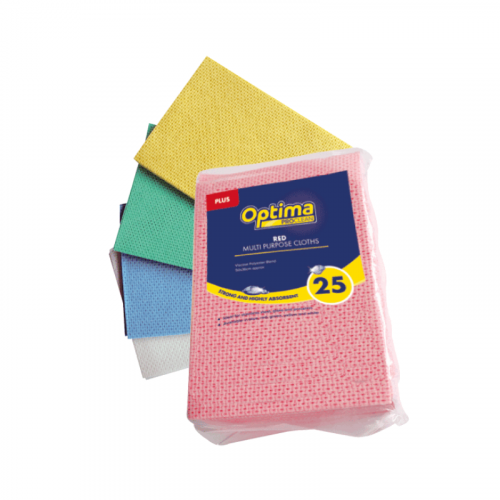
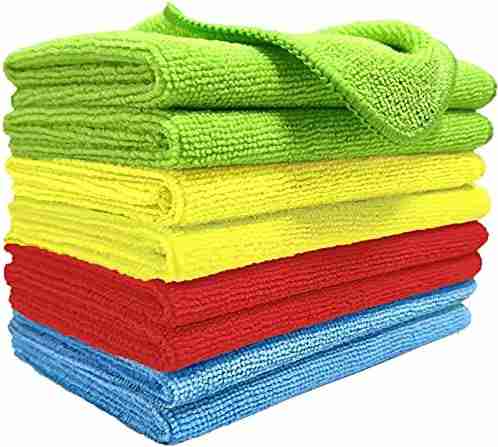
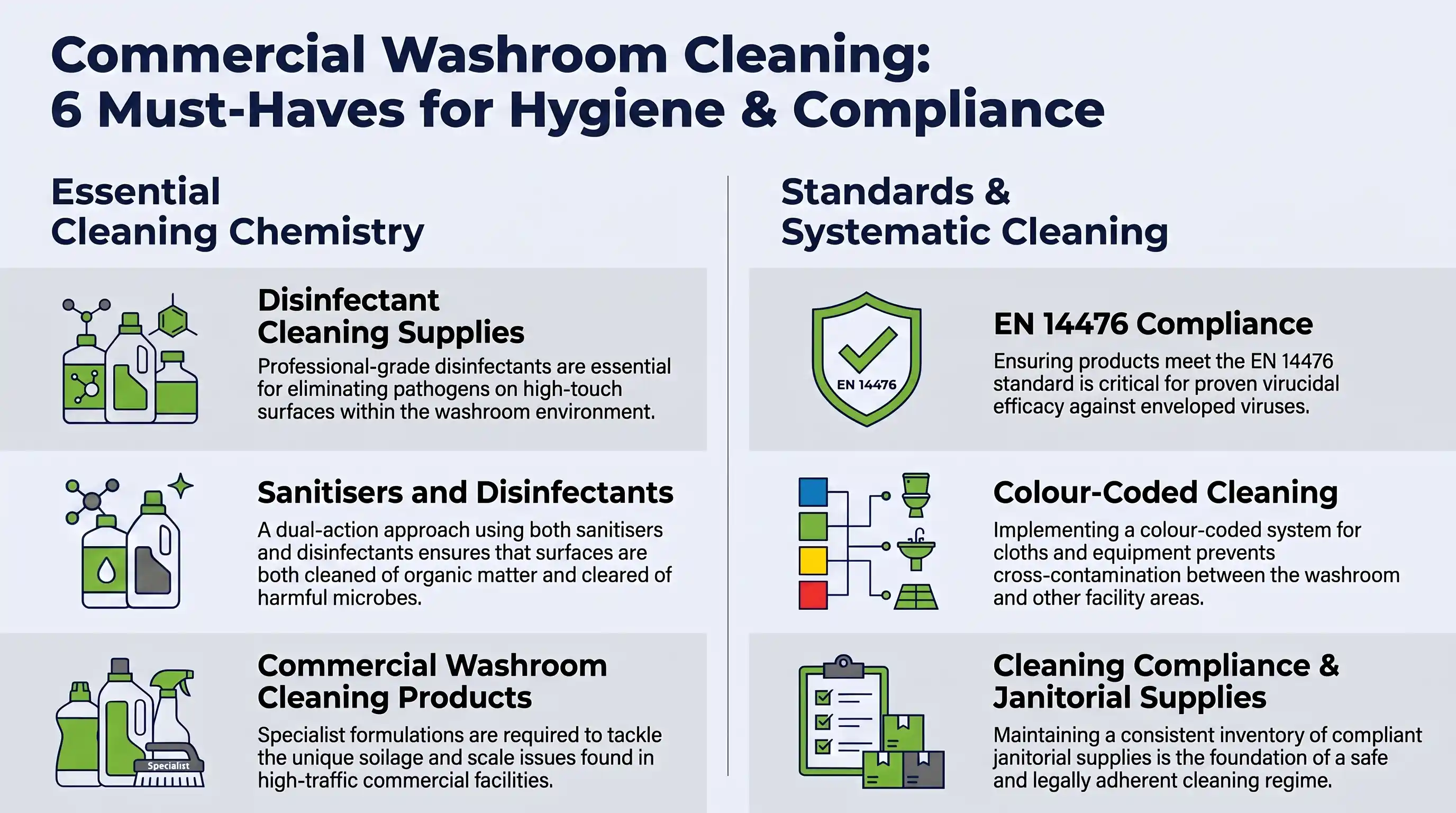
Colour-coded cleaning systems prevent cross-contamination by assigning specific equipment to defined zones. Red bottles and cloths serve washrooms exclusively, whilst blue handles general surfaces elsewhere. OFSTED and CQC both recognise this zonal discipline as best practice for schools and healthcare settings. Without visible colour separation, operatives under time pressure default to the nearest tool.

Hygieia’s SoluCLEAN Bottle for Life system supplies pre-labelled, colour-coded bottles with mandatory safety information already printed on each unit. This removes the training burden of explaining chemical compatibility to new staff. Dedicated floor detergents, such as SoluCLEAN Neutral Scrubber Dryer Cleaner, prevent foam build-up in scrubber dryer machines. This is a common and costly issue when operatives use washroom bowl cleaner in floor cleaning equipment by mistake. The wrong product in the wrong place creates problems that extend well beyond hygiene.

Did You Know?

SoluCLEAN Anti-Viral Cleaner is independently certified to EN 14476, the European antiviral standard adopted into UK professional cleaning practice. It eliminates 99.99% of viruses in a single clean-and-sanitise step. Facilities operating under CQC Regulation 15 can satisfy both cleaning and disinfection requirements with one product application. Review Product →

How Sanitisers and Disinfectants Differ

Sanitisers and disinfectants are not interchangeable terms in professional cleaning. A sanitiser reduces microbial contamination to a safe level. A disinfectant eliminates a defined spectrum of pathogens to a measurable standard. EN 14476 is the European standard, adopted into UK practice, that governs antiviral disinfectant claims. Any product without this certification cannot legally claim antiviral effectiveness, regardless of its marketing language or fragrance. When managing compliance across a portfolio of commercial sites, matching each certified standard to the correct setting is not optional. It is a procurement prerequisite.

The certification landscape for washroom sanitisers and disinfectants includes several distinct standards, each covering a different aspect of pathogen control:

  • EN 14476 confirms independently tested antiviral effectiveness against a defined range of viruses.
  • EN 1276 confirms bactericidal effectiveness under standard commercial cleaning conditions.
  • BSEN 1276 and EN 13697 together confirm effectiveness on hard, sealed washroom surfaces.
  • PAS 2424 Bacteriostatic status confirms a product inhibits ongoing bacterial growth between cleaning visits.
  • ISO 4120:1983 taint-testing applies specifically to chemistry used near food preparation environments.

Selgiene Ultra C066 covers a clinically significant pathogen list, including C. difficile and MRSA. These are two of the most serious healthcare-associated infections tracked by NHS England. Using a product with a narrower spectrum in a setting where those pathogens are a realistic risk represents a genuine compliance failure. Alcohol-Free Universal Wipes, tested to EN1276 and EN14476, provide a 2-in-1 hand and surface solution. This satisfies both bactericidal and antiviral standards in a single format.

Own Professional Cleaning Equipment

Own the latest professional cleaning equipment, with no deposit down, same day approval, repaymetns over 2, 3 or 5 years and delivery within 7 days. Leasing finance is available on all machines over £1,000.

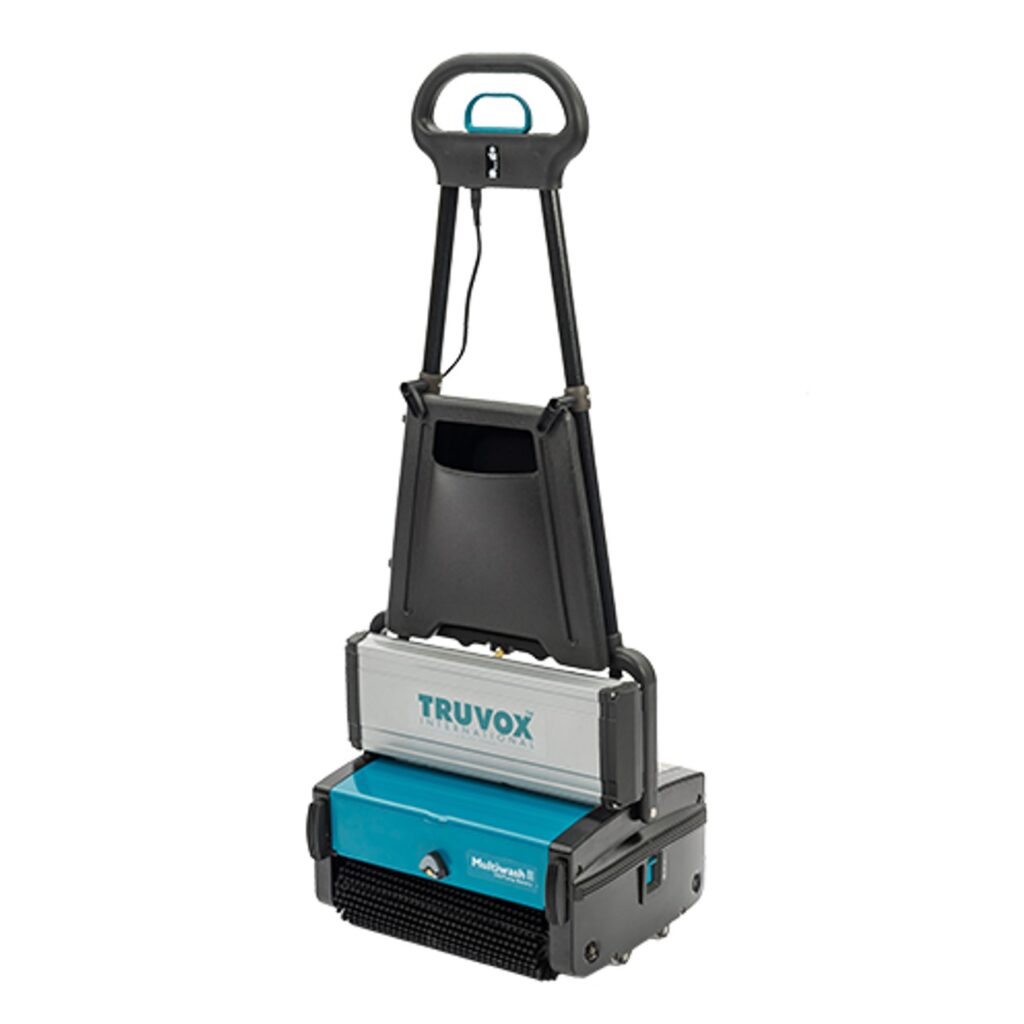
Commercial Cleaning Equipment, Truvox Multiwash 240, Wholesale Cleaning Products
Truvox Multiwash 240

From £44.64 per month

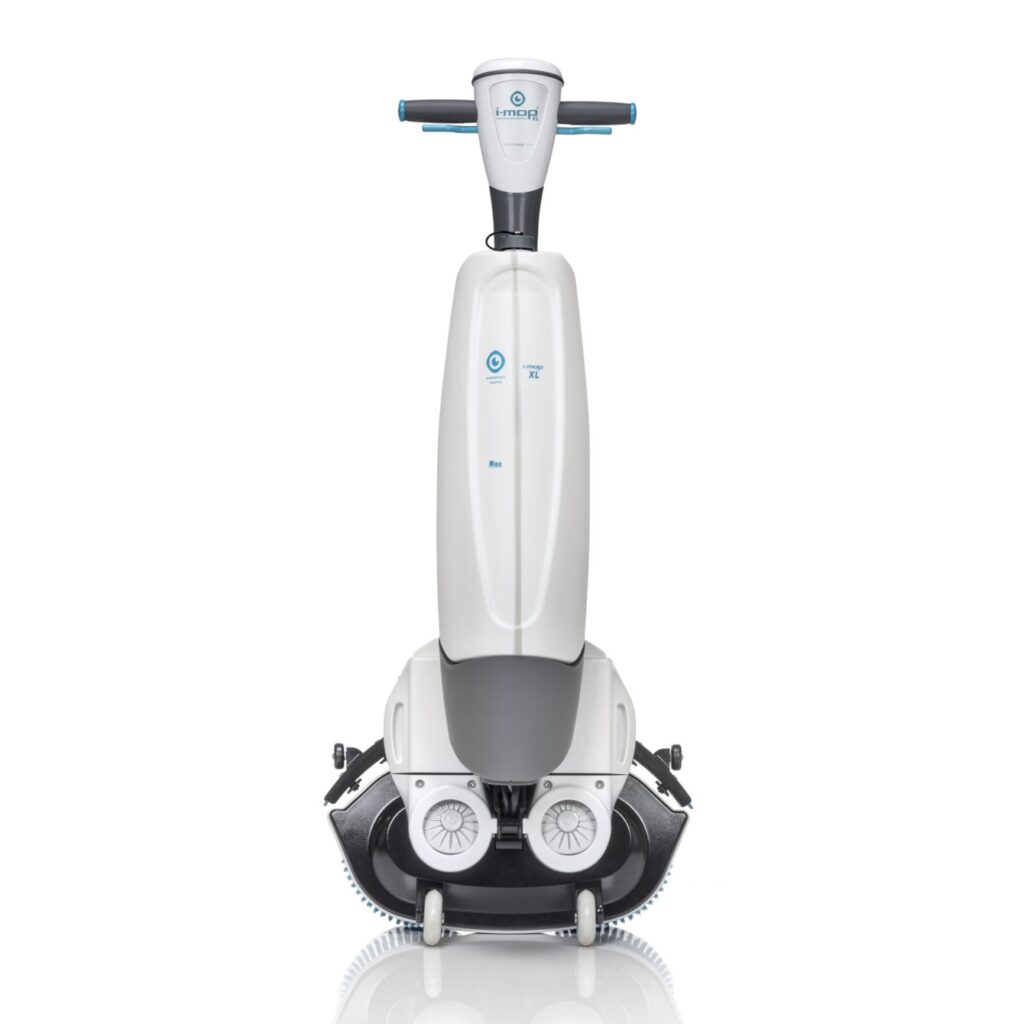
Commercial Cleaning Equipment, imop XL, Wholesale Cleaning Products

iMop XL Scrubber Dryer

From £105.45 per month

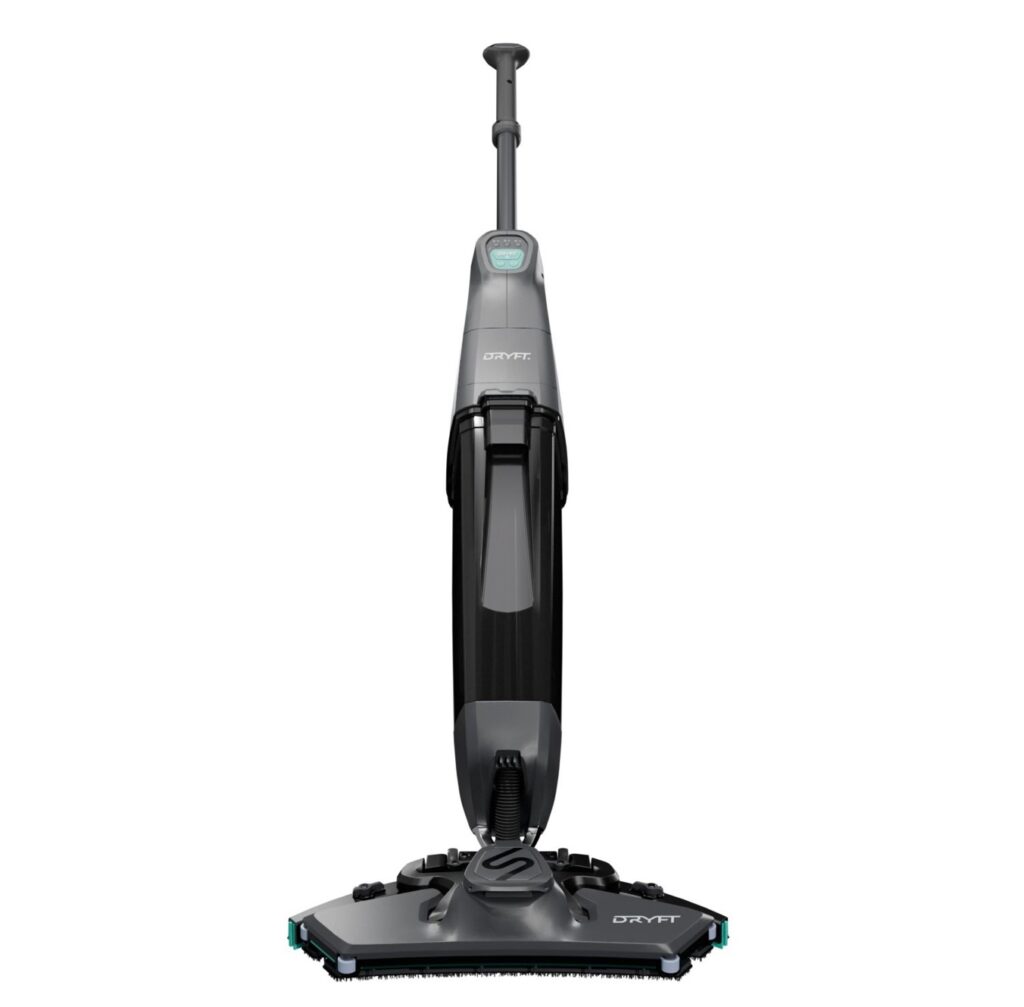
MotorScrubber DRYFT, MotorScrubber DRYFT compact S-Motion scrubber dryer – Hygieia Group
DRYFT Scrubber Dryer

From £46.87 per month

Why a Signed Cleaning Log Protects Your Operation

Create a Documented Compliance Trail for Regulated Settings

A signed cleaning log records who cleaned, what was cleaned, which products were used, and when the task was completed. In regulated environments, this documentation is reviewed during audits. This includes NHS premises under CQC Regulation 15 and schools subject to OFSTED inspections. A log that is absent, unsigned, or poorly maintained signals inadequate cleaning governance.

CQC audit guidance explicitly requires healthcare facilities to maintain evidence of cleaning method and product compliance, not just cleaning frequency. A signed log with a column for product names and dilution ratios satisfies this requirement. It provides a defensible paper trail if a hygiene incident is later investigated. The log also serves an operational function. It identifies which operatives are consistently skipping specific tasks. It also shows which areas are being cleaned less frequently than the schedule requires. This is management intelligence, not just compliance paperwork.

Use the Cleaning Log as an Active Management Tool

Cleaning logs are most effective when reviewed weekly by a supervisor rather than filed and forgotten. Regular review converts the log from a compliance exercise into a performance management instrument. Anomalies, such as gaps in signatures or repeated skipping of floor-level checks, become visible before they escalate into an audit finding or a client complaint.

In education settings, OFSTED inspectors consider washroom hygiene as part of the broader safeguarding and well-being evidence base. A cleaning log that cross-references the colour-coded system, the EN 14476-certified sanitisers and disinfectants applied, and the dispenser check column gives the facilities manager a ready-made evidence pack. In multi-site operations with cleaning contractors working across several schools or care homes, a standardised log format creates consistency. A verbal instruction cannot achieve that. A signed log costs nothing to implement and protects everything.

Price-Checked Deals

Stock up on our fast-moving wholesale cleaning products today. We constantly monitor these price-checked deals to lower your commercial overheads.

Final Thoughts

A genuinely clean commercial washroom requires five non-negotiable elements working together. Enzymatic drain treatment addresses odour at its biological source. Dispenser management prevents stock-out gaps between visits. A structured floor-level inspection protocol reaches every surface below eye level. Surface-specific commercial washroom cleaning products are matched to certified kill claims. A signed cleaning log turns good practice into a documented compliance trail. Remove any one of these five and the programme has a gap that visual inspection alone will never reveal.

The products and methods that close these gaps are available, certified, and proven. Colour-coded systems, EN 14476-certified sanitisers and disinfectants, enzymatic biological cleaners, and jumbo or coreless paper formats are all professional-grade choices. In practice, we find they reduce labour time and improve compliance outcomes. They also protect both staff and building users over the long term.

commercial cleaning checklist UK

UK commercial cleaning checklist

commercial cleaning checklist UK

UK commercial cleaning checklist

Frequently Asked Questions

Q: What does EN 14476 certification mean for a washroom disinfectant?

A: EN 14476 is the European standard, adopted into UK professional cleaning practice. It confirms a product has been independently tested to eliminate viruses to a measurable and reproducible level. Any disinfectant claiming antiviral effectiveness without this certification cannot substantiate that claim under UK professional standards. In healthcare and education settings, procuring only EN 14476-certified disinfectant cleaning supplies is the minimum baseline for infection control compliance.

Q: Why should enzymatic cleaners be used in drains rather than standard disinfectants?

A: Standard disinfectants kill surface microbes on contact. They cannot break down the organic matter that accumulates inside drain channels and gulley traps. Enzymatic cleaners use biological agents to digest fats, proteins, and urine salts at source. This is where persistent washroom odour originates. Applying a standard product to a drain without enzymatic action masks the problem temporarily rather than removing it.

Q: How do coreless and jumbo toilet rolls reduce cleaning workload?

A: Coreless toilet rolls deliver 800 sheets per roll with no cardboard core waste. Mini jumbo rolls provide up to 150 metres per unit. Both formats extend the interval between refills compared to standard retail rolls. This reduces the number of times an operative must restock dispensers during a shift. It also lowers the risk of a stock-out situation developing between scheduled visits.

Q: What surfaces are most commonly missed during commercial washroom cleaning?

A: The most frequently missed surfaces are toilet bases, the undersides of urinals, the backs of cubicle doors, and floor areas beneath sinks. These areas sit below the natural eye line of an operative cleaning at standing height. They are easily overlooked under time pressure. Each surface accumulates biological contamination at a rate comparable to the more visually obvious surfaces that receive regular attention.

Q: Why is a signed cleaning log important in regulated environments such as healthcare?

A: Under CQC Regulation 15, healthcare premises must provide documented evidence of cleaning method and product compliance, not simply evidence that cleaning occurred. A signed cleaning log records the operative, the time, the surfaces cleaned, the products used, and any dispenser checks completed. This creates an audit trail that inspectors can review directly. It is the primary evidence that professional standards were followed if an incident is later investigated.

About The Author

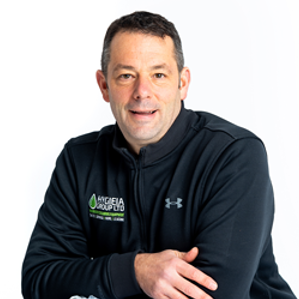
Andrew Bodle is the Founder of The Hygieia Group Ltd, the Selby-based wholesale supplier of professional cleaning supplies and commercial machinery. He launched the business in 1991 and brings 35 years of hands-on industry experience to every product decision. Andrew personally selects every machine on the Hygieia portfolio and reviews the company’s editorial content to keep every recommendation grounded in real-world operational use, not retail spec-sheet theory.

Andrew Bodle, Founder – The Hygieia Group Ltd

Follow Andrew on LinkedIn

Scroll to Top