Commercial Cleaning Checklist.
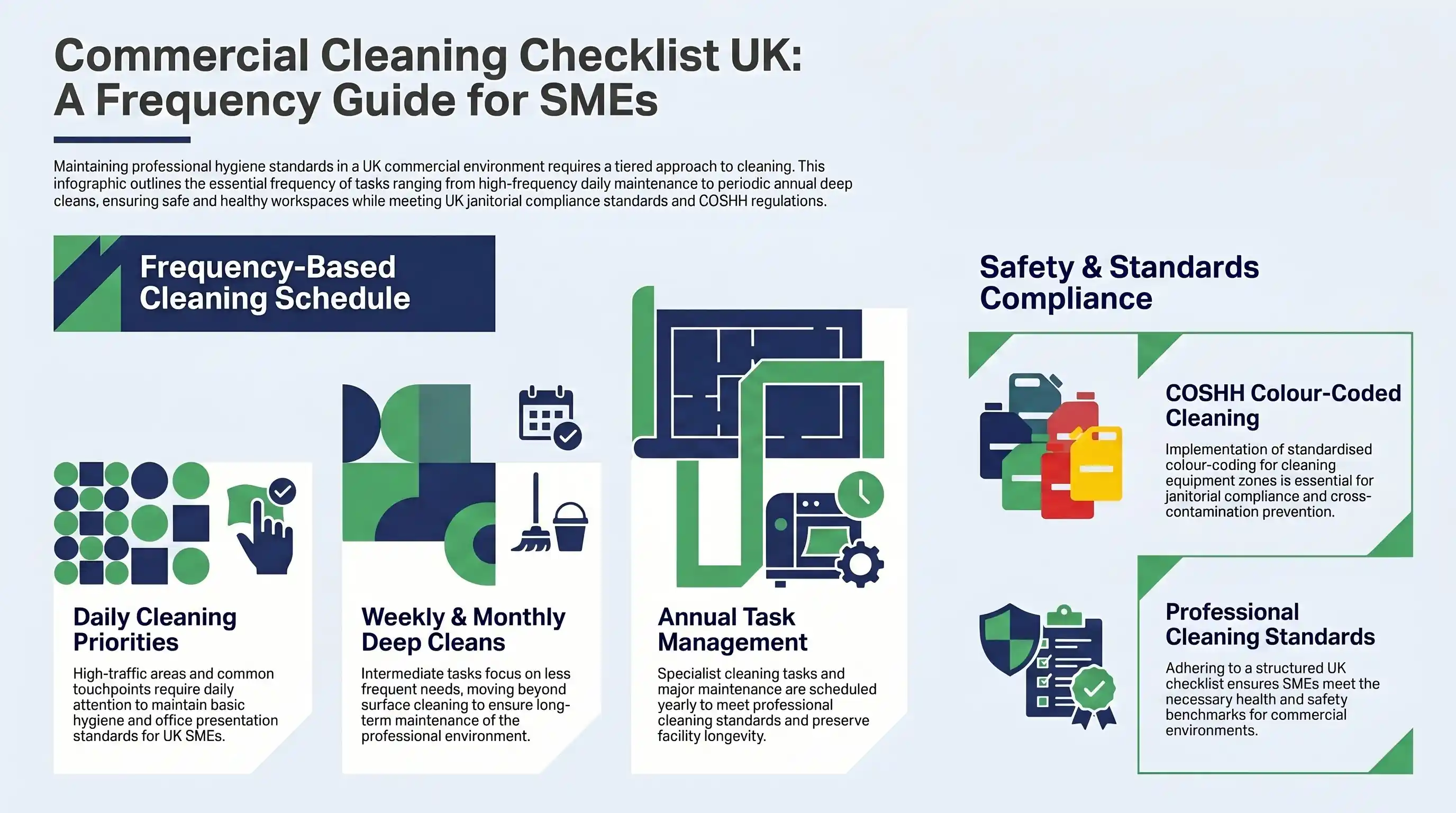
A commercial cleaning checklist UK is the single most important operational document a facilities manager can hold. Without it, tasks slip and standards drop. Remedial work then follows at cost. This guide sets out every task tier. It runs from daily non-negotiables through to annual deep-intervention work. Your team always knows exactly what to do and when.
Does your current office cleaning schedule UK cover the full picture? Are monthly floor treatments and seasonal pressure washing quietly falling off the radar? Do your operatives follow a clear COSHH colour-coded cleaning system to prevent cross-contamination between washrooms, kitchens, and general areas?
Key Takeaways
- Daily tasks protect health, sanitise touchpoints, and stop the spread of germs across high-contact workplace surfaces effectively.
- Weekly deep cleans remove the grout build-up, kitchen grease, and washroom odours that daily routines leave behind.
- Monthly floor machine-scrubbing and carpet extraction extend the working life of hard and soft surfaces significantly.
- Annual strip-seal-polish work and external pressure washing reset commercial premises to a fully refreshed condition.
- COSHH colour-coded cleaning is a legal compliance requirement under the 2002 regulations, not an optional best-practice extra.
Get Your Daily Cleaning Tasks Right First
Why waste bins and touchpoints must be cleared every shift
Daily emptying of waste bins and sanitising of touchpoints sits at the heart of any commercial cleaning checklist UK. Door handles, light switches, lift buttons, and reception desks carry the highest cross-contamination risk. The Health and Safety Executive confirms touchpoint disinfection as a primary COSHH control measure under workplace risk assessments.
Use a disinfectant tested to EN 14476 for proven antiviral effectiveness. SoluCLEAN Anti-Viral Cleaner achieves this in a single step. No separate pre-clean is needed. A missed bin or an unsanitised handle can undo an otherwise thorough clean. Operatives should sign off each zone on the daily checklist. This maintains a clear audit trail for client inspections.
How to handle washroom sanitising and high-traffic floor mopping daily
Washroom sanitising must happen at least once per shift in any occupied commercial premises. This means wiping sanitary ware, replenishing soap and paper products, and mopping hard floors with a bactericidal solution. High-traffic areas such as reception corridors, canteen floors, and stairwells also require daily damp mopping. This controls slip risk and soil build-up.
The i-mop XL Plus from Hygieia suits high-traffic daily floor maintenance. It cleans up to 1,800 m² per hour. Surfaces are left almost dry on the spot. This matters in occupied buildings where wet floors create liability. Also clean kitchen and break-room surfaces daily. Wipe worktops, sink surrounds, and microwave exteriors. Spot-clean internal glass on entrance doors and partition panels. Vacuum all high-use soft floor zones at every visit. This covers open-plan offices and corridors with carpet.
Apply Weekly Tasks to Stop Build-Up Before It Starts
Steps to deep-clean washrooms properly each week
A weekly washroom deep clean goes beyond the daily wipe-down. It must include scrubbing grout lines and cleaning behind toilets and cisterns. Descale showerheads where they are present. Disinfect all dispensers thoroughly before restocking them. The British Institute of Cleaning Science recommends this level of detail as the minimum standard for commercial facilities.
SoluCLEAN Biological Washroom Cleaner uses enzymatic action to break down organic matter at source. It does not simply mask odours. This approach tackles the residues that cause persistent smells and grout discolouration. Restock all dispensers during the weekly visit. Soap, paper towels, toilet rolls, and sanitiser should all be filled. Daily operatives then avoid mid-shift stock shortages.
How to degrease kitchens and clean appliance interiors weekly
Kitchen degreasing is the most overlooked weekly task in a standard office cleaning schedule UK. Splatter inside microwaves builds up quickly. Grease coats hob surrounds. Grime collects on refrigerator door seals. These residues become genuine food hygiene risks. The Food Standards Agency places responsibility on occupiers to keep food preparation and storage areas clean at all times.
Kleenly Super Concentrate Degreaser is non-tainting and food-safe. It is the correct choice for kitchen appliance interiors. Apply it to microwave cavities, fridge seals, and extractor surrounds. Allow a short dwell time. Agitate and rinse fully. Also dust shelves, light fittings, and high ledges every week. This stops particulate from dropping onto surfaces between monthly visits. Carry out full internal glass cleaning during the weekly cycle. Vacuum all upholstery on seating areas. Mop any remaining hard floors not covered in the daily rotation.
How Monthly Tasks Protect Flooring and Equipment Long-Term
Why machine-scrubbing hard floors every month prevents irreversible damage
Monthly machine-scrubbing of hard floors lifts embedded soiling that daily mopping cannot reach. Without this step, soil works into micro-scratches in vinyl, tile, and stone. The finish then dulls permanently. The British Coatings Federation and flooring manufacturers advise scheduled mechanical scrubbing as part of any commercial floor programme. This preserves warranty conditions on the surface.
The i-mop XL Plus uses twin counter-rotating brushes. These apply 22.5 kg of down pressure. It delivers a deep scrub efficiently across large areas. Use SoluCLEAN Neutral Scrubber Dryer Cleaner with the machine. This avoids foam build-up and protects floor finishes. The monthly scrub also gives operatives a clear view of any surface damage. Sealer wear or grout deterioration shows up clearly. Escalate concerns early before they become costly repairs.
Get carpet extraction and air vent cleaning onto the monthly schedule
Monthly carpet extraction is essential in commercial premises. Daily vacuuming only removes surface debris. Embedded soiling and allergens compress carpet fibres over time. This reduces lifespan and indoor air quality. The Truvox Hydromist 55-400 or Bissell DC100 provides the extraction power needed. Both machines deliver meaningful monthly intervention on commercial carpet areas.
Prochem Trafficlane (S710) is a heavy-duty alkaline pre-spray at pH 11. It is the professional choice for pre-treating high-traffic carpet lanes. Apply it, allow dwell time, then extract thoroughly. Also add air vents and extractor fans to the monthly checklist. Clogged vents redistribute dust into the room. They can compromise ventilation compliance. External window cleaning sits at this monthly frequency too. So does washroom descaling with SoluCLEAN Limescale Remover. Clean behind large appliances such as fridges and vending machines. Review supply stock levels monthly. This avoids mid-contract shortages. Hygieia’s no-minimum-order policy means you replenish exactly what you need.
Trade Accounts
Transform your purchasing with our enterprise-grade procurement tool.
Pay By Monthly Invoice
Why Seasonal and Annual Tasks Cannot Be Left to Chance
Annual reset tasks are not maintenance. They are restoration. These jobs renew the protective layers worn away through the year. Skip them, and surfaces fail prematurely. The cost of replacement then dwarfs the cost of timely intervention. Use the table below as the master reference when mapping your annual schedule against weekly and monthly cycles.
| Task Frequency | Core Tasks | Key Products / Equipment |
|---|---|---|
| Daily | Bins, touchpoints, washrooms, high-traffic floor mopping, kitchen surfaces, spot glass, vacuuming | EN 14476 disinfectant, i-mop XL Plus, SEBO vacuum, colour-coded cloths |
| Weekly | Washroom deep clean, kitchen degrease, dusting, full internal glass, upholstery vacuum, all hard floors, dispenser restock | SoluCLEAN Biological Washroom Cleaner, Kleenly Degreaser, i-mop |
| Monthly | Machine-scrub hard floors, carpet extraction, air vents, external windows, descaling, behind appliances, stock review | Prochem Trafficlane, Truvox Hydromist, SoluCLEAN Limescale Remover |
| Seasonal / Annual | Strip-seal-polish floors, full carpet extraction, pressure washing, COSHH review, equipment audit | Cimex Cyclone, MotorScrubber JET3, COSHH documentation, equipment lease |
How to strip, seal, polish floors and pressure-wash external areas annually
Annual strip-seal-polish restores a commercial hard floor to its original finish. It re-establishes the protective seal worn away by traffic through the year. Without this step, the base material becomes exposed. It then becomes vulnerable to permanent staining and structural damage. The task requires specialist chemistry and machinery distinct from routine cleaning.
The Cimex Cyclone uses a triple-brush system. It strips old sealer effectively from resilient vinyl and natural stone. Use a professional floor stripper at correct dilution. Agitate thoroughly. Extract the slurry. Allow full drying. Apply fresh sealer in thin, even coats. This is also the right moment to check whether the floor type still matches the chemistry and machinery in use.
Annual pressure washing covers main entrances, car parks, bin stores, and loading bays. It removes biological growth, tyre marks, oil residues, and general grime. These contaminants degrade surfaces and create slip hazards. The Health and Safety at Work Act 1974 places a duty on occupiers to maintain safe access routes. External surfaces left untreated for over a year cost significantly more to restore later. Schedule the work during lower-footfall periods such as early spring or late autumn. Disruption then stays minimal. This is also the right point for an equipment condition audit. Check machinery for worn brushes, degraded seals, battery performance, and hose integrity. Replace or service components proactively. Avoid waiting for a breakdown mid-contract.
Did You Know?
Under Regulation 9 of the Workplace (Health, Safety and Welfare) Regulations 1992, every employer has a legal duty to keep workplace floors, walls, ceilings, furniture, furnishings, and fittings sufficiently clean. The same regulation requires that surfaces are kept clean by an effective method, with waste materials not allowed to accumulate except in suitable receptacles.
Conduct a COSHH Risk-Assessment Review Annually
Why the COSHH review is a legal requirement, not a box-ticking exercise
The Control of Substances Hazardous to Health Regulations 2002 require employers to assess and control exposure to hazardous substances at work. For cleaning contractors, this means formally reviewing every chemical in use. Document its concentration, the surfaces it contacts, the PPE required, and the disposal route. The HSE can issue improvement or prohibition notices where COSHH compliance is absent.
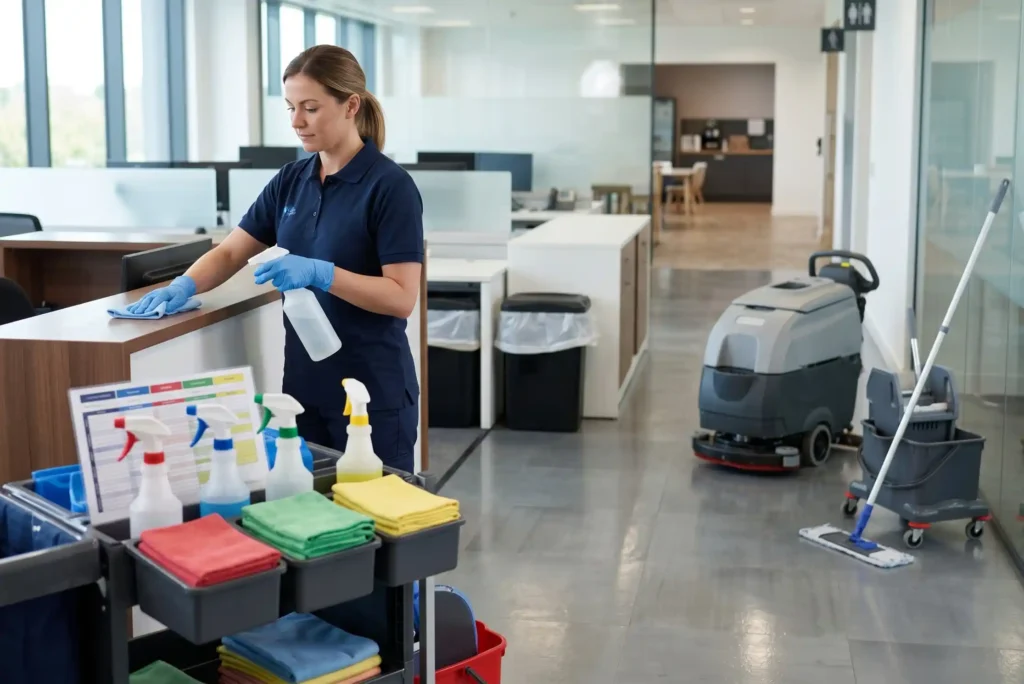
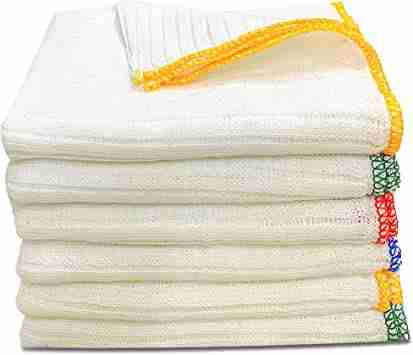
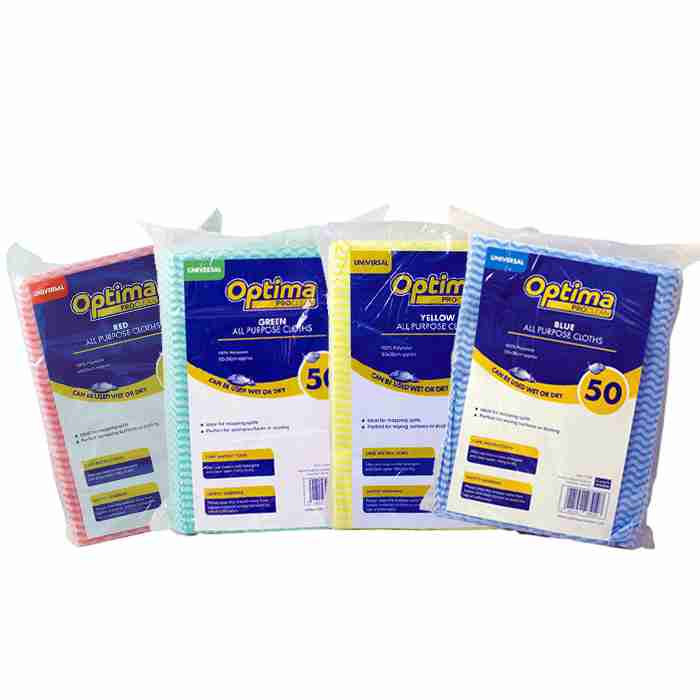
An annual COSHH review should confirm three things. Every chemical is still fit for purpose. Dilution ratios are correct and documented. Operatives are trained on safe handling. The review must also verify that COSHH colour-coded cleaning equipment is in place. Operatives must use it correctly. Red cloths and mops are for washrooms. Blue is for general areas. Green is for kitchens. These boundaries must be absolute. Cross-contamination between a washroom zone and a food preparation area is not just a hygiene failure. It is a potential health and safety prosecution.
Get COSHH colour-coded cleaning equipment embedded into daily practice
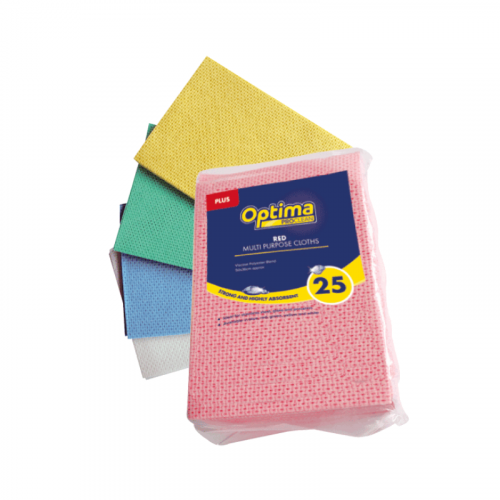
COSHH colour-coded cleaning stops operatives from using the same mop, cloth, or bucket across zones with different contamination risks. The British Institute of Cleaning Science and NHS guidance both specify a four-colour minimum. Red is for washrooms and toilets. Yellow is for clinical or isolation areas. Blue covers general areas. Green is for catering.
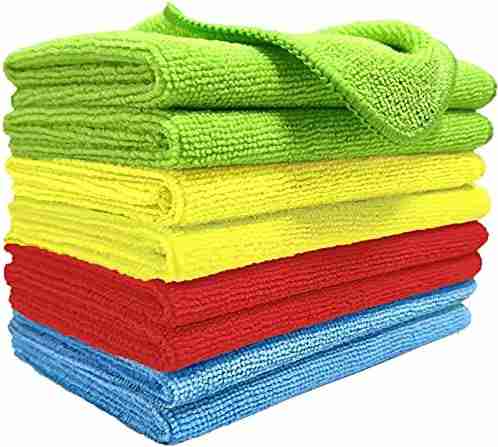
Hygieia’s SoluCLEAN Bottle for Life system supports this directly. Each bottle is colour-coded. Each carries pre-printed safety information. Ambiguity at the point of use disappears. This matters most in facilities where cleaning staff cover multiple zones in a single shift. Mop heads, buckets, and microfibre cloths must follow the same colour system. Replace worn colour-coded equipment annually. Replace it sooner when colours start to fade. This sits as a valid line item in the COSHH review.
Own Professional Cleaning Equipment
Own the latest professional cleaning equipment, with no deposit down, same day approval, repaymetns over 2, 3 or 5 years and delivery within 7 days. Leasing finance is available on all machines over £1,000.
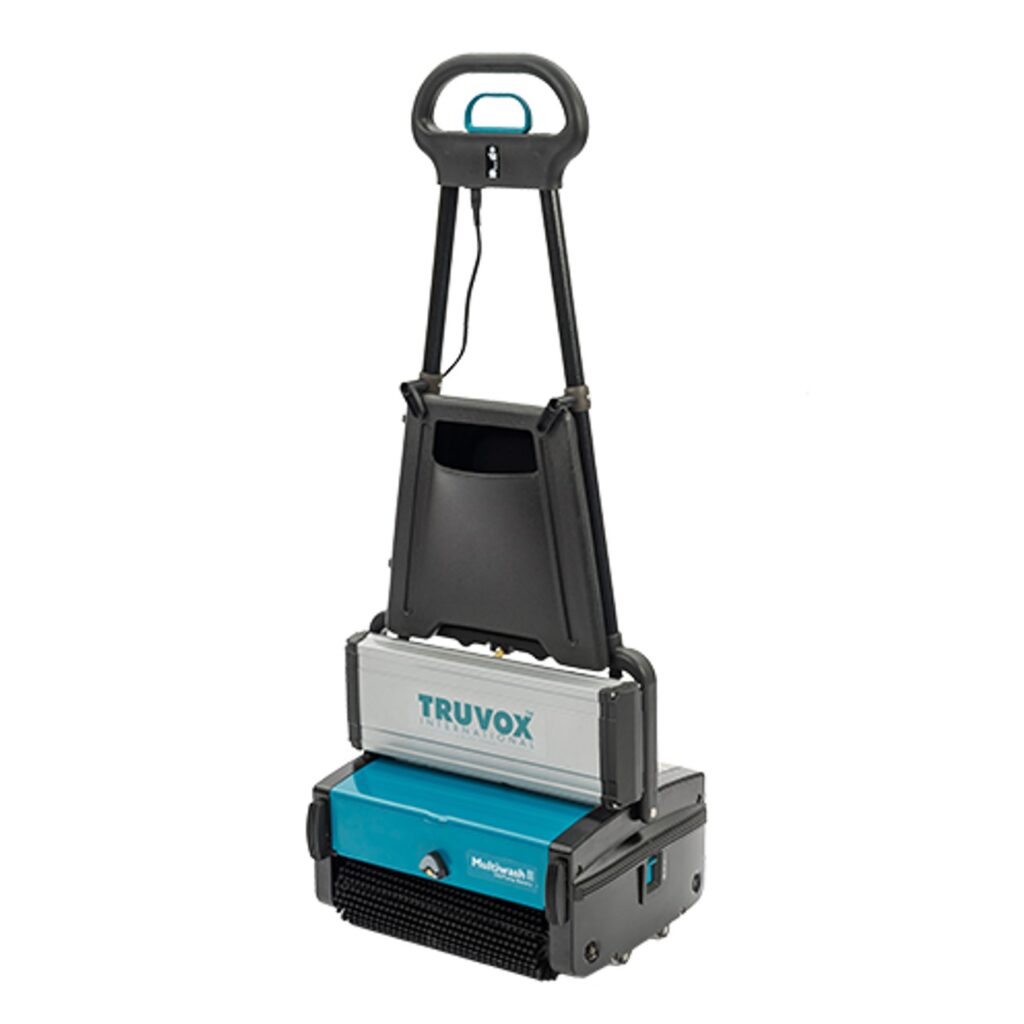
Truvox Multiwash 240
From £44.64 per month
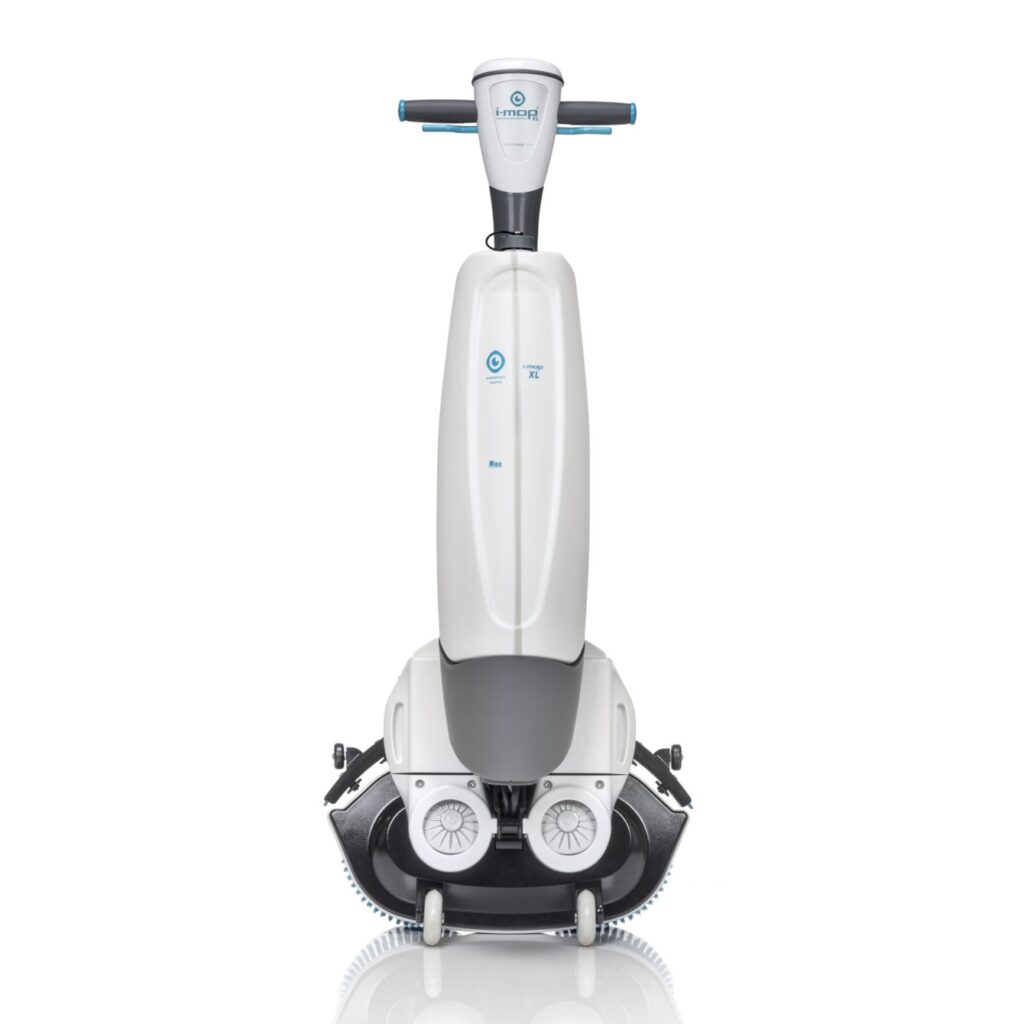
iMop XL Scrubber Dryer
From £105.45 per month
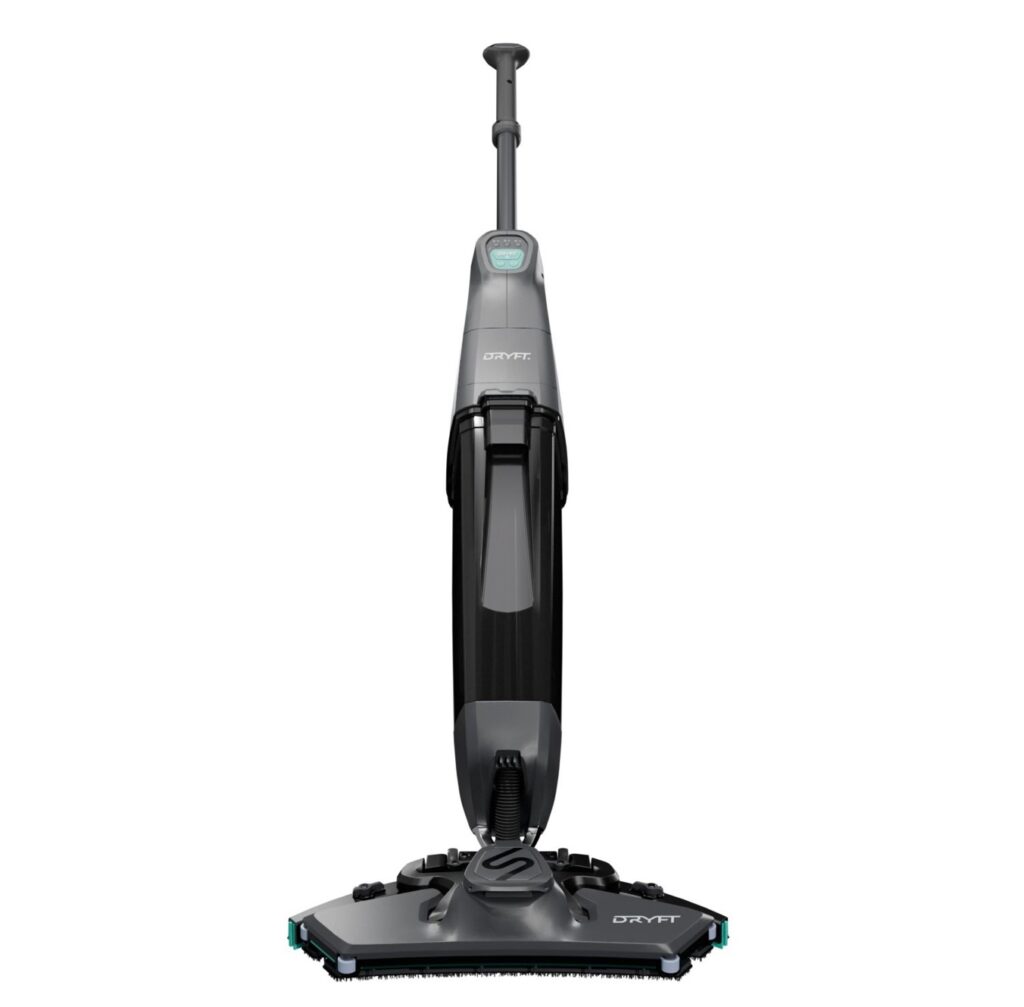
DRYFT Scrubber Dryer
From £46.87 per month
Match Chemistry and Machinery to Each Cleaning Task
Incorrect chemical dilution is among the most costly errors in commercial cleaning. Over-diluted solutions miss the bactericidal thresholds in EN 1276 and EN 14476. Over-concentrated solutions waste budget, damage surfaces, and increase operator exposure. Both undermine the commercial cleaning checklist UK on hygiene and cost simultaneously. Pre-measured chemistry removes the risk. SoluCLEAN sachets dose one bottle precisely. Operator judgement plays no part. This matters in high-turnover teams where training time is short. Pre-measured doses also simplify COSHH documentation, because the concentration is fixed and verifiable at every use.
Machine choice for each task tier matters equally. A domestic vacuum on commercial carpet fails within months. A hand mop on a 2,000 m² floor adds hours of unproductive labour. Matching machinery to task, surface type, and area size is the defining factor in contract profitability. SEBO BS360 and BS460 commercial vacuums with S-Class or HEPA filtration suit healthcare and education environments under CQC Regulation 15. The MotorScrubber JET3’s telescopic handle cleans to 3 metres in height. It reaches walls, signage, and high ledges without extra equipment. The i-mop Lite at 12.5 kg handles congested spaces and scrubs right to the edge.
Protect Cash Flow With Smart Equipment Acquisition and Supply
Why leasing machinery and same-day consumable supply preserve working capital
Outright purchase of a full machinery fleet ties up significant capital. Most SME contractors cannot release that without affecting payroll. Equipment leasing through Hygieia provides fixed monthly payments. Terms run across two, three, or five years. Lease payments are typically 100% tax-deductible against business profits under UK HMRC rules. The effective cost is therefore lower than the headline figure.
Take a contractor leasing three machines together. The list might be an i-mop XL Plus, a SEBO BS460, and a MotorScrubber JET3. Across a three-year term, every monthly payment can be claimed as a business expense. Taxable income falls continuously. Leasing also provides a technology refresh path. At term end, the business upgrades to the latest models. There is no being tied to ageing assets.
Supply chain reliability matters just as much. Running out of disinfectant mid-contract creates operational failure. Hygieia’s same-day dispatch on orders placed before 2pm prevents this. The no-minimum-order policy on most lines means you order exactly what you need. This suits smaller contractors who cannot justify pallet-level stock. Trade account holders access 30-day net credit terms. They benefit from centralised invoicing across multi-site operations. A direct point of contact handles technical advice. The Selby showroom at Unit 4 Mayfair Industrial Estate, YO8 8BE, is open Monday to Friday, 10am to 4pm. Visit for in-person demonstrations before any acquisition.
Price-Checked Deals
Stock up on our fast-moving wholesale cleaning products today. We constantly monitor these price-checked deals to lower your commercial overheads.
Final Thoughts
A properly structured commercial cleaning checklist UK is not an administrative nicety. It is the operational backbone of every profitable cleaning contract. Daily touchpoint disinfection, weekly kitchen degreasing, monthly floor machine-scrubbing, and annual strip-seal-polish work together as a system. Remove any tier and the others are undermined. The right chemistry, correct dilution, and fit-for-purpose machinery matter equally. A verified COSHH colour-coded cleaning protocol completes the picture. Together these separate a genuinely hygienic environment from one that merely looks clean.
The next step is to convert this framework into a written schedule for each site. Map every tier to dates. Assign owners. Build in audit checkpoints. The discipline of writing it down is what turns a checklist into a system that consistently delivers across the year.
commercial cleaning checklist UK
UK commercial cleaning checklist
commercial cleaning checklist UK
UK commercial cleaning checklist
Frequently Asked Questions
A:
A professional deep clean should run at minimum monthly for kitchens, washrooms, and hard floors. A full-premises annual reset then covers strip-seal-polish on hard floors, professional carpet extraction, and external pressure washing. Daily and weekly maintenance cleaning must continue between these deeper interventions. A structured office cleaning schedule UK puts each frequency in writing. No tier is then left to assumption or memory. Document the cycle, assign owners, and audit completion on a regular cadence so standards never slip across the year.
A:
COSHH colour-coded cleaning assigns specific colours to cloths, mop heads, and buckets. Each colour is used only within a defined zone. The system prevents cross-contamination between washrooms, kitchens, and general areas. The Control of Substances Hazardous to Health Regulations 2002 require employers to control contamination risks, and colour coding is a recognised primary control. The British Institute of Cleaning Science specifies a four-colour minimum. Red is for washrooms. Yellow is for isolation areas. Blue covers general surfaces. Green is for catering.
A:
Commercial kitchens require food-safe, non-tainting degreasers for surfaces and appliance interiors. Kleenly Super Concentrate Degreaser is non-tainting, food-safe, and effective against animal fats and vegetable oils. Sanitisers used on food contact surfaces must be ISO 4120:1983 taint-tested. They should ideally carry EN 1276 certification for bactericidal effectiveness. Correct dilution is critical. Pre-measured sachets such as SoluCLEAN remove operator error from the process entirely. Document the chemistry, train the team, and the kitchen routine then meets both food safety and COSHH expectations consistently.
A:
Yes. Hygieia operates a no-minimum-order policy on most product lines. Small contractors can buy exactly what they need at trade pricing. There is no obligation to commit to bulk volumes. Orders placed before 2pm qualify for same-day dispatch. Trade account holders also access 30-day net credit terms. Centralised invoicing simplifies cash flow management for businesses operating across multiple client sites. The combination protects working capital, removes shortages, and keeps the cleaning checklist on track even on busy weeks.
A:
Lease payments on commercial cleaning machinery are typically 100% tax-deductible as a direct business expense. They reduce annual profit under HMRC rules and lower taxable income immediately. Outright purchase only releases relief through slower depreciation calculations. Leasing also preserves working capital and fixes monthly costs against inflation. The technology refresh path at the end of the term keeps the business off ageing equipment. A three-year or five-year term then aligns acquisition with realistic equipment lifecycles in a busy operation.
About The Author
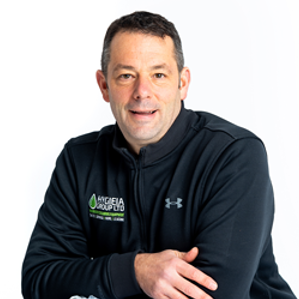
Andrew Bodle is the Founder of The Hygieia Group Ltd, the Selby-based wholesale supplier of professional cleaning supplies and commercial machinery. He launched the business in 1991 and brings 35 years of hands-on industry experience to every product decision. Andrew personally selects every machine on the Hygieia portfolio and reviews the company’s editorial content to keep every recommendation grounded in real-world operational use, not retail spec-sheet theory.