

Cash and Carry or Trade Account for Cleaners
Choosing between a cash and carry or trade account shapes the margins of any commercial cleaning business. Many sole traders and regional contractors start out at a local trade depot. Driving to a depot gives immediate access to stock. Retail-adjacent shelf pricing then erodes operating margin quietly, week after week. Owners should weigh unit costs, collection labour and administrative friction before settling on a supply route.
Depot runs feel familiar, so small firms absorb the overheads without question. Does ordering janitorial supplies on account deliver better financial control than weekly warehouse trips? Or does the cash and carry model still justify its higher shelf prices across live client sites?
Key Takeaways
- Cash and carry depots offer immediate stock access for genuine emergencies but charge higher unit prices on fast-moving consumables that drain contractor margins.
- Trade accounts deliver transparent wholesale pricing directly to client locations, removing unproductive collection labour and unnecessary fuel costs from weekly operational schedules.
- Compound savings across essential high-volume consumables like refuse sacks, paper and gloves accumulate into substantial capital retention across an entire trading year.
- Unified monthly invoicing simplifies financial control, matching consumable expense cycles with client payment terms to improve commercial cashflow across expanding regional operations.
- Same-day dispatch before two in the afternoon ensures scheduled arrival within two to three working days, eliminating unnecessary off-site procurement runs for supervisors.
Trade Accounts and Cash and Carry Side by Side
Procurement routes shape far more than the headline price on a shelf. They dictate working hours, fuel spend and the timing of every supplier payment. A structured trade account removes unplanned journeys from the week. It also holds unit pricing steady across the core janitorial lines that daily contracts depend on.
The table below sets standard wholesale accounts against typical self-serve depots. Each row covers one commercial mechanism that affects a contractor directly. Reviewing them shows where operational friction and hidden overheads enter the weekly routine. The comparison also clarifies how sourcing decisions affect working capital and labour allocation across sites.
| Procurement Element | Janitorial Trade Account | Cash and Carry Depot |
|---|---|---|
| Stock Access | Scheduled site delivery within two to three working days | Immediate physical pickup from warehouse aisles |
| Payment Terms | Nothing paid at point of order; single monthly invoice | Full payment required at point of purchase via card or cash |
| Minimum Spend | No minimum order value across any consumable line | Varies; often requires entry card or pack thresholds |
| Labour Requirement | Zero driving time; direct delivery to designated premises | Requires vehicle travel, manual loading and shelf picking |
| Pricing Basis | Consistent trade prices checked against market rates | Variable shelf pricing frequently set close to retail |
Direct Delivery Versus Physical Collection
Depot Convenience Against Real Operational Disruption
Physical collection looks convenient when a site runs short mid-shift. Contractors believe a quick depot visit saves time. Goods go straight into the van with no wait for a courier. That immediacy feels proactive when a small problem needs solving on site today.
Operational disruption tells a different story. Driving to a retail-adjacent depot burns working hours, van fuel and supervisory attention. Time spent queuing at a checkout cannot be billed to a client. Scheduled ordering removes that drag from the daily cleaning schedule entirely.
Supply Lines for Expanding Regional Contractors
Regional contractors running portfolios across industrial units in places such as Heanor need dependable supply lines. Supervisors manage teams across several facilities at once. Uncoordinated trips to retail warehouses fragment communication quickly. Direct supply keeps attention where cleaning standards are actually judged, which is on site.
Central distribution also standardises product quality. Depot stock levels fluctuate without warning. Cleaners then substitute unfamiliar chemicals or thinner refuse sacks when the usual brand runs out. A dedicated account holds brand consistency across every facility. Supervisors stay supervisors rather than becoming delivery drivers.
Trade Pricing Mechanics on Core Janitorial Lines
Margin Erosion on Fast-Moving Consumables
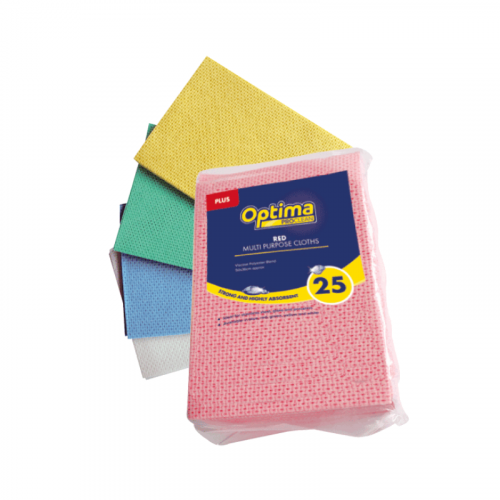
Six consumable categories carry most routine janitorial spend. Refuse sacks, centrefeed rolls and nitrile gloves sit at the top. Microfibre cloths, hand soap and washroom paper complete the list. Modest percentage markups on these fast-moving items compound into significant annual losses across a contract portfolio.
Cash and carry outlets apply higher margins to precisely these lines. Walk-in buyers need the stock urgently and rarely shop around. Paying retail-adjacent prices on everyday essentials strips margin from a small cleaning business. Trade suppliers benchmark these core categories regularly and hold unit costs down.
Genuine Cost Comparisons on Essential Supplies
Contractors routinely ask whether a cleaning trade account is cheaper than cash and carry. The answer shows up on the invoice within a month. Wholesale distributors hold daily prices below general market rates. Contractors secure commercial terms on colour-coded microfibre and janitorial lines without retail markups applied.
Trade distributors publish transparent figures rather than hiding costs behind variable walk-in rates. Set wholesale cleaning prices against a stack of depot receipts and the gap on disposables is stark. Sourcing high-usage items on trade terms stops shelf markups absorbing frontline profit.
Did You Know?
Regulation 21 of the Workplace (Health, Safety and Welfare) Regulations 1992 sets the legal minimum for washing facilities. Every station must supply clean hot and cold water, or warm water. Soap, or another suitable means of cleaning, is mandatory. So are towels, or another suitable means of drying.
Annual Arithmetic on Core Janitorial Consumables
Case-by-Case Costs Across a Trading Year
Sixty pence on a case of refuse sacks looks negligible on a single purchase. A firm holding several office contracts works through cases of sacks, hand towels and gloves every week. Across twelve months of trading, those small discrepancies accumulate into hundreds of pounds.
Take a small firm using ten cases of blue centrefeed and eight cases of refuse sacks each month. Trade pricing rather than a retail-adjacent depot saves several pounds per case at that volume. In practice, that retained cash stays inside the business rather than subsidising warehouse aisles.
Compound Supply Savings Protect Long-Term Solvency
Savings grow sharper on high-frequency items such as powder-free nitrile gloves and liquid hand soap. Unbranded or poorly graded goods from collection depots fail more often. Weak sacks split during waste transfer. Double-bagging follows, which doubles consumable spend and wastes paid staff time on site.
Accredited, drop-tested refuse sacks and professional washroom consumables remove that waste whilst keeping unit costs low. Across fifty-two weeks the difference becomes retained profit. Owners can then fund better floor equipment, pay for staff training, or price new tenders with sharper margins.
Trade Accounts
Transform your purchasing with our enterprise-grade procurement tool.
Pay By Monthly Invoice
Cashflow and Administrative Control
Monthly Billing Removes Upfront Capital Drain
Buying janitorial supplies at a depot demands instant payment by card or cash. For a growing business, paying upfront for chemicals and paper creates real cashflow pressure. Cleaners service sites for weeks before an invoice goes out. Company funds drain long before client payments arrive.
A trade facility reverses that bottleneck through consolidated monthly billing. Contractors order the stock a new contract needs and pay nothing at the point of order. One invoice each month aligns material costs with incoming client payments. New accounts can then be taken on without a funding gap.
One Invoice Replaces Dozens of Till Receipts
Dozens of till receipts from depot runs create avoidable accounting work. Paper slips go missing. Tax reconciliation takes hours longer than it should. Costing supplies against a specific client becomes guesswork. Disorganised records obscure whether a particular cleaning contract is actually generating an operational profit.
Trade accounts issue one itemised invoice to a named contact each month. Deliveries to head office and to site compounds appear on the same document. Owners cross-reference expenditure against individual contracts in minutes. Billing stays accurate and the year-end audit stays clean.
Equipment Acquisition
Buy Outright
Full warranty, immediate ownership
Acquire market-leading commercial machinery outright, with full manufacturer warranty and direct delivery from our Selby HQ to site.
Lease Finance
Tax-efficient lease from £24 pcm
Spread the cost over 2, 3 or 5 years with no-deposit leasing on machines over £1,000, plus same-day approval and 7-day UK delivery.
Short-Term Hire
Cover breakdowns and one-off jobs
Hire professional scrubber dryers, carpet extractors and steam cleaners from our Selby HQ for emergency cover or one-off project work.
Logistics, Dispatch Schedules and Site Delivery
Two O’clock Cut-Offs and Predictable Replenishment
Dependable schedules matter more than ad-hoc supply runs. Professional janitorial distribution runs on streamlined order handling and a firm daily cut-off. Orders placed before two in the afternoon leave the warehouse the same day. Consignments enter the national logistics network without sitting in a processing queue.
Delivery completes within two to three working days, including Saturdays. That gives supervisors a reliable replenishment window to plan around. A regular weekly ordering pattern stops sites running vital stock down to nothing. Deep cleans and routine maintenance then get scheduled without last-minute panic.
Materials Delivered Straight to Client Locations
Direct-to-site delivery changes how mobile teams work across regional industrial parks. Materials for commercial facilities in areas such as Ripley arrive where the work happens. Cleaning teams stop carting bulky paper pallets between jobs. Chemical drums no longer take up space in a small service van.
Wholesale distribution handles consignments to any nominated destination. Drops go to welfare cabins, manned gatehouses, goods-in bays or central storage cupboards. Delivering heavy materials to the working area protects staff from unnecessary manual handling. Operatives unpack checked shipments exactly where the daily cleaning tasks occur.
Price-Checked Deals
Stock up on our fast-moving wholesale cleaning products today. We constantly monitor these price-checked deals to lower your commercial overheads..
When Cash and Carry Still Makes Sense
Genuine Mid-Shift Emergencies and Unforeseen Spills
Structured trade accounts win on cost, yet collection depots still serve a purpose. Stock occasionally runs out mid-shift through a severe leak, an unexpected waste volume or a client mishap. In those circumstances, waiting two days for a scheduled delivery is not a workable option.
Driving to a nearby depot for immediate replacement stock is entirely justified then. The premium on shelf prices functions as an emergency fee that protects client service levels. Recognising that distinction keeps depots as tactical safety nets rather than default supply chains.
Routine Orders Against Tactical Emergency Buys
Experienced owners draw a firm line between scheduled ordering and emergency procurement. Routine requirements go on trade terms to secure low wholesale costs and protect cashflow. Depot visits stay reserved for urgent top-ups only. The split protects margins without ever leaving a site team stranded.
Relying on depot runs for standard replenishment usually signals poor site auditing rather than genuine need. Sensible reorder thresholds send orders out before cupboards run bare. From experience across the sector, accurate consumption tracking turns emergency runs into rare exceptions instead of a weekly habit.
Built for Your Industry
Hygieia provides products and equipment into the three key UK sectors where cleaning standards run highest. Each card links to that sector’s compliance detail, recommended machines, and live case studies.
Facilities Management
Multi-site contractor support nationwide
Single rolling lease contract across all your customer sites. Replace machines as contracts win or lapse – no capital tied up.
Education & Schools
Safe corridors, term-time delivery slots
Quiet, slip-prevention scrubbers for corridors and halls. Term-time delivery slots designed not to disrupt teaching.
Healthcare & NHS
EN 14476 viral compliance for CQC sites
EN 14476-compliant chemistry and machines that meet Regulation 15 of the CQC cleanliness standards across NHS and care sites.
Strategic Purchasing and Contractor Growth
Reclaimed Management Time Wins Commercial Contracts
Moving from manual collection to direct delivery frees significant management capacity. Small cleaning companies grow by delivering strong service, bidding for larger contracts and managing staff well. Hours spent each week driving between warehouses and lifting boxes of blue roll drain energy from that work.
A dependable trade distributor hands that time back. Orders go in within minutes from a desktop or phone. Tracking updates arrive automatically and stock lands cleanly on site. Owners redirect the recovered bandwidth into tendering, client retention and quality control.
Trade Pricing Without Minimum Order Values
Independent firms often avoid trade accounts because conventional distributors impose heavy minimum order values. Ordering a full pallet of chemicals just to unlock wholesale rates traps a small contractor. Months of inventory arrive with nowhere to store it. Cash and carry warehouses appealed because they sold single units.
Modern trade distribution removes that barrier by applying trade pricing with no minimum order value. A sole trader buys one case of refuse sacks at the same unit rate as a national contractor. That flexibility gives growing firms the financial footing to expand at a sustainable pace.
Get a Trade Quote
Final Thoughts
Choosing between a cash and carry or trade account comes down to total cost of ownership. Collection depots solve unexpected mid-shift emergencies well. Used for routine consumables, they bring higher prices, unpaid travel time and fragmented accounting. Structured trade accounts protect margins on fast-moving essentials and align spend with client revenue cycles.
Contractors building resilient operations benefit from settling procurement systems early. Transparent trade channels cut unnecessary van journeys and standardise product performance across every site. Treat janitorial procurement as an automated workflow. Time, capital and energy then go where they belong, into service quality and contract growth.
Frequently Asked Questions
Q: Is a cleaning trade account cheaper than cash and carry for fast-moving items?
A: Yes. A trade account gives lower unit costs on fast-moving consumables. Prices are set at commercial wholesale rates rather than retail-adjacent shelf pricing. Depots place higher markups on everyday lines such as refuse sacks, gloves and centrefeed rolls, because they cater to walk-in convenience. Across a trading year, compound savings on routine supplies cut operating expenditure noticeably for contract cleaners.
Q: What happens if I urgently need cleaning stock mid-shift?
A: A local cash and carry depot remains the right answer for a genuine emergency. Stock has run out and the work cannot proceed without materials today. The higher shelf price acts as an emergency fee. That fee protects client service levels and the contract itself. Routine weekly consumables are a different matter entirely. Order those in advance through a trade account. Planned ordering protects business margins and keeps emergency buying rare.
Q: How quickly do orders arrive from a trade account?
A: Orders placed before two in the afternoon qualify for same-day dispatch from the Selby warehouse. Delivery completes within two to three working days, including Saturdays. Goods arrive direct to a nominated delivery address of your choosing. Set a regular weekly ordering schedule around those windows. Client sites then hold adequate buffer stock at all times. Supervisors avoid losing shift hours to emergency collection runs, and site managers can plan deep cleans with confidence.
Q: Do trade accounts require large minimum orders to access trade pricing?
A: No. A professional trade account applies no minimum order value on any product line. Single cases of refuse sacks, paper consumables or cleaning chemicals carry the same published trade pricing as pallet orders. Independent operators, sole traders and smaller care settings therefore reach genuine wholesale terms. Cashflow stays free rather than tied up in stock volumes with nowhere to go.
Q: Can a single trade account deliver to multiple cleaning locations?
A: Yes. One account can deliver to several separate addresses. Those include commercial offices, industrial compounds, schools and healthcare sites. Every purchase consolidates onto one monthly invoice issued to the main accounting contact. The invoice details which supplies went to each location and when. Centralised tracking removes messy till receipts and simplifies tax reconciliation. It also makes contract cost allocation straightforward for a busy business manager reviewing site profitability.