


Hygieia Group Ltd

No Minimum Order Cleaning Supplies for Small Firms

Warehouse operative packing a single case of janitorial supplies for same-day dispatch, no minimum order cleaning supplies, small order janitorial supplies, cleaning suppliers with no minimum order UK

No Minimum Order Cleaning Supplies for Small Firms

Most commercial distributors set a minimum spend on trade accounts. Those thresholds push avoidable cost onto small cleaning firms, facilities teams and independent operators. Genuine no minimum order cleaning supplies remove that barrier completely. Operators buy exactly what a contract needs. Working capital stays in the business instead of sitting on a stockroom shelf.

Why should an independent contractor tie up cash in slow-moving chemical stock simply to earn fair trade pricing? Many small firms face pallet-sized commitments on routine consumables. Could an open account with no spend threshold change how you manage overheads and monthly cashflow?

Key Takeaways

  • Minimum order thresholds force small firms to buy months of stock upfront, which restricts working capital across normal billing cycles.
  • Small order janitorial supplies bought at wholesale rates protect margin by removing the markups charged at retail cash and carry outlets.
  • A parity pricing model means a single case costs the same per unit as a full pallet on every line.
  • Flexible ordering lets single-site operators, van teams and project cleaners send precise volumes direct to client premises nationwide.
  • Orders placed before the two o’clock cut-off leave the depot that day and arrive within two to three working days.

Wholesale Janitorial Purchasing Models Compared

Traditional janitorial routes penalise small firms in one of two ways. Either a spend threshold blocks the trade rate, or the buyer pays retail shelf prices instead. Both outcomes raise the cost per clean. An open trade channel removes the penalty and gives independent teams direct access to commercial consumables.

The table below sets the three common purchasing routes side by side. It shows the order restriction attached to each, the effect on unit pricing, and the knock-on consequence for cash. From experience across the sector, the cashflow column is the one that decides which route a small operator can sustain.

Purchasing ModelOrder RestrictionsPricing ImpactCashflow Effect
Traditional wholesalerMinimum order values commonly set between £150 and £300Trade rates conditional on volumeCapital tied up in surplus stock
Retail cash and carryNo order thresholdMarkups applied to unit pricesHigher operating cost per clean
Open trade accountNo minimum order on any lineSingle case priced at the pallet rateSpend matched to immediate need

Minimum Order Thresholds Drain Small Firm Cashflow

Surplus Inventory and Tied-Up Capital

Minimum spend thresholds force small operators to buy months of stock for a fortnight of work. Working capital then sits in a stockroom rather than funding wages, vehicles and equipment. In practice, we find that surplus stock is the heaviest drag on a young cleaning firm during its first trading year.

A mobile cleaner winning a new commercial contract must fund supplies before the first invoice clears. Buying three months of chemical concentrate to satisfy a threshold strains that position further. Lean stock holding protects reserves through slow payment periods. Capital locked in a cupboard cannot generate revenue.

Retail Cash and Carry Price Penalties

Firms unable to meet a wholesale minimum usually fall back on local cash and carry outlets. Those outlets apply retail markups to commercial chemicals, paper goods and protective equipment. The margin on a routine contract erodes quickly at that price point. The damage compounds across every week of the year.

Retail sourcing also carries a hidden administrative cost. Cleaners lose chargeable hours driving to trade parks and queuing at tills. Fragmented card receipts then complicate bookkeeping at month end. Independent firms need genuine wholesale rates without meeting a distributor volume requirement.

Trade Pricing Matched Across Cases and Pallets

Identical Unit Pricing on Single Cases and Pallets

A properly structured trade account prices every line the same way regardless of order size. One case of blue roll, floor cleaner or refuse sacks carries the unit price of a full pallet. The buyer is not penalised for ordering a precise working quantity. Parity pricing is the test of a genuine trade account.

Pallet buying still has its place. It reduces delivery frequency and goods-in administration on larger sites. What it does not do is alter the baseline unit cost. That structure lets a two-person firm compete with a national facilities provider on consumable running costs.

Published Rates Across Core Daily Consumables

Published pricing matters more to a small buyer than a quotation on application. Rates visible before registration allow a contractor to check a current invoice line by line. Regular benchmarking against major UK suppliers keeps daily essentials competitive. Transparency also removes the negotiation overhead that small firms rarely have time to absorb.

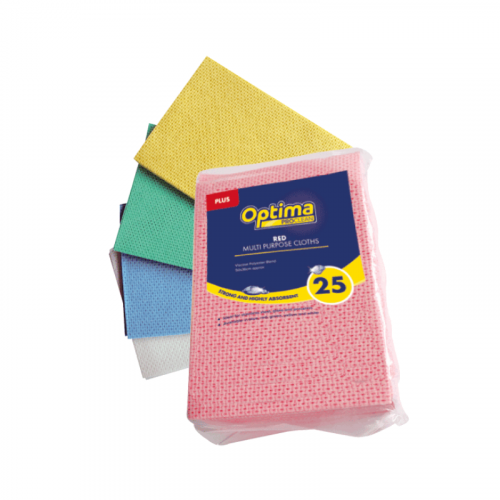
The approach covers the high-turnover lines that drive most of the spend. Those include refuse sacks, centrefeed rolls, nitrile gloves, microfibre cloths, hand soap and washroom paper. Monitoring cost across these six categories protects margin on routine work. Price certainty also makes contract tendering far more reliable.

Did You Know?

BS EN 1276 is the European standard for the bactericidal activity of chemical disinfectants. A product must achieve a 99.999 per cent reduction in bacterial count to pass. That is a five-log kill, measured under dirty conditions within a defined contact time. Any disinfectant used in a regulated setting should carry that test evidence.

Mobile Cleaning Contractors and Van Operations

Vehicle Storage Limits and Racking Capacity

A two-van cleaning operation cannot carry bulky chemical drums or multi-case paper consignments. Overloaded vans add payload weight, raise fuel consumption and create handling hazards in transit. Van teams need compact stock allocations matched to the scheduled round. Racking capacity, not purchasing policy, should set the order size.

Buying small order janitorial supplies lets a fleet manager replenish line by line as jobs complete. Mobile crews on regional routes keep racking tidy and loads legal. Stock rotation improves because nothing sits in a van for months. Vehicle checks also become quicker and far more straightforward.

Cashflow Support on New Commercial Contracts

Winning a new site means deploying consumables weeks before the first invoice is raised. Card payments drain reserves whilst the contractor waits for month-end settlement. Flexible ordering bridges that gap by removing the upfront purchasing hurdle. The outlay then tracks the work rather than the supplier policy.

Stocking a new premises without clearing an artificial spend threshold keeps overheads under control. Contractors align consumable spend with client payment terms. Growth across a region becomes a steadier process. Expansion stops depending on a cash reserve the business has not yet built.

Trade Accounts

Transform your purchasing with our enterprise-grade procurement tool.

Pay By Monthly Invoice

Single Care Homes and Healthcare Providers

Storage Limits in Regulated Settings

Independent care homes hold strict hygiene standards within very limited storage space. Cleaning chemicals must be locked away from residents under COSHH arrangements. Holding a large chemical reserve in a domestic-scale building raises avoidable safety and audit risk. Storage capacity therefore has to govern the purchase quantity.

Buying individual cases of certified disinfectant and paper goods keeps a utility cupboard orderly. Facilities teams maintain cleanliness without stacking surplus washroom stock in corridors. Inspection readiness improves when every container is stored correctly. Smaller deliveries are also easier for care staff to handle safely.

Compliance Standards for Infection Control Products

Healthcare settings need products with verified test evidence against standards such as BS EN 1276 and EN 14476. Smaller homes often struggle to source those formulations without a bulk commitment. Mainstream distributors treat specialist chemistry as a volume line. Flexible wholesale supply resolves that mismatch directly.

A care manager can order single packs of compliant biocidal surface sanitiser on one account. Laundry chemistry and washroom consumables sit on the same invoice. Infection control protocols hold firm without clinical budget locked into surplus stock. Audit documentation also stays simpler to assemble.

Equipment Acquisition

Buy Outright

Full warranty, immediate ownership

Acquire market-leading commercial machinery outright, with full manufacturer warranty and direct delivery from our Selby HQ to site.

Lease Finance

Tax-efficient lease from £24 pcm

Spread the cost over 2, 3 or 5 years with no-deposit leasing on machines over £1,000, plus same-day approval and 7-day UK delivery.

Short-Term Hire

Cover breakdowns and one-off jobs

Hire professional scrubber dryers, carpet extractors and steam cleaners from our Selby HQ for emergency cover or one-off project work.

Market Traders and Retail Operations

Precise Volumes for Compact Stalls

Market food stalls and small retail units work within tight space and strict hygiene rules. A stallholder needs food-safe surface sanitiser and paper towel, not a bulk consignment. There is rarely anywhere to store a pallet, or anything close to one. Professional-grade chemistry still has to be available in small quantities.

Operators trading in municipal venues such as Bury order food-contact sanitiser packs as demand dictates. Stallholders meet environmental health expectations using certified chemistry. Service counters stay clear of unneeded stock. Costs track trading days rather than a supplier minimum.

Direct Sourcing for Small Sites

Independent businesses in commercial districts such as Ripley often clean their own premises. Internal teams still need professional products, yet the volume never matches a multi-floor office. That gap pushes many small sites towards supermarket products. A trade account closes it without a spend commitment.

Staff cleaning a workshop or retail unit can buy hard-surface cleaner and heavy-duty refuse sacks at trade rates. Presentation standards hold up across the premises. The business avoids paying retail prices for domestic-grade alternatives. Product performance is also far more predictable.

Price-Checked Deals

Stock up on our fast-moving wholesale cleaning products today. We constantly monitor these price-checked deals to lower your commercial overheads..

Seasonal Venues and One-Off Specialist Cleans

Coastal Volume Swings and Temporary Footfall

Seafront hospitality venues swing between winter dormancy and a summer peak. Holding high consumable stock through the quiet months risks deterioration and ties up cash. A seasonal operator needs a supply chain that scales with footfall. Order volume should follow the trading calendar, not a threshold.

Operators lift orders of washroom hand towel and surface degreaser through the holiday surge. Volumes drop back as soon as footfall normalises. Flexible ordering keeps dead stock out of damp seaside stores. Cash stays available for staffing through the shoulder season.

Supplies for Short-Term Builders Cleans

Handover teams running builders cleans in towns such as Radcliffe need concentrated chemistry for a short burst of work. The job list usually covers heavy descalers, residue removers and carpet extraction fluid. Two intensive weeks then end at practical completion. Ongoing supply obligations make no commercial sense on that timescale.

Project managers order a targeted consignment for the specific handover. Nothing carries forward into the next contract unless it is needed. Sourcing specialist products on flexible terms keeps job costing accurate. Margins on short contracts stay intact as a result.

Built for Your Industry

Hygieia provides products and equipment into the three key UK sectors where cleaning standards run highest. Each card links to that sector’s compliance detail, recommended machines, and live case studies.

Facilities Management

Multi-site contractor support nationwide

Single rolling lease contract across all your customer sites. Replace machines as contracts win or lapse – no capital tied up.

Education & Schools

Safe corridors, term-time delivery slots

Quiet, slip-prevention scrubbers for corridors and halls. Term-time delivery slots designed not to disrupt teaching.

Healthcare & NHS

EN 14476 viral compliance for CQC sites

EN 14476-compliant chemistry and machines that meet Regulation 15 of the CQC cleanliness standards across NHS and care sites.

Nationwide Dispatch and Delivery Performance

Same-Day Dispatch Before the Daily Cut-Off

Stock shortages disrupt a scheduled cleaning programme within hours. Small firms therefore need a dependable dispatch pattern on routine lines. Orders placed before the two o’clock cut-off leave the central Selby depot the same working day. That reliability removes the need for a costly safety buffer.

Supervisors can order as shelves run low rather than weeks in advance. Van teams hold operational consistency across a route without carrying spare stock. Replenishment becomes a routine weekly task. The stockroom stops acting as an unplanned warehouse.

Delivery Direct to Site Locations

Consignments arrive within two to three working days of dispatch, with Saturday delivery included as standard. Goods go to the nominated work address rather than a head office. That includes welfare cabins, compound gates and secure goods-in bays. Supplies reach the point where the cleaning actually happens.

Consolidating deliveries onto a single monthly invoice gives clear visibility of consumption. Facilities managers track spend by address across every live project. Reconciliation no longer depends on a drawer of trade counter receipts. Budget forecasting improves across the contract year.

Get a Trade Quote

Please enable JavaScript in your browser to complete this form.
Declaration

Final Thoughts

Sourcing no minimum order cleaning supplies changes how a small firm manages cash. Removing an arbitrary volume cap gives contractors, care homes and seasonal traders the trade rate on daily essentials. Parity pricing between a case and a pallet is the practical test. Buying to need, rather than to a threshold, protects working capital.

Flexible supply terms let a growing business put capital into staff, vehicles and service delivery instead of stock. Price-checked commercial chemistry and janitorial hardware in single-case quantities give smaller operations a stable commercial base. That foundation becomes more valuable as the contract book grows.

Frequently Asked Questions

Q: What are the main benefits of no minimum order cleaning supplies for small cleaning firms?

A: The main benefit is cashflow control. Small operators avoid tying up working capital in slow-moving chemicals or bulk paper. They buy the exact volume a contract needs. That avoids both surplus storage and the inflated prices charged at retail cash and carry outlets. The result is genuine wholesale pricing on single-case orders, with spend matched to the work in hand rather than to a supplier threshold.

Q: Can small businesses buy single cases at wholesale trade prices?

A: Yes. A properly structured trade account prices a single case at the same unit rate as a full pallet. Smaller firms are not penalised for modest quantities. Pallet ordering still reduces logistics administration on larger sites. The cost per bottle, roll or box stays identical either way. A small business ordering one box pays the same unit price as a national contractor ordering a pallet.

Q: How quickly do cleaning supplies dispatch and arrive after an order is placed?

A: Orders placed before the two o’clock cut-off dispatch the same day from the central warehouse. Delivery completes within two to three working days on mainland routes. Saturday transit is included as standard. That turnaround lets mobile crews, independent care homes and commercial workshops hold reliable stock levels. It also removes the need to keep costly safety inventory on the premises.

Q: Can cleaning orders be delivered to temporary project sites or client premises?

A: Yes. Commercial accounts allow delivery to any nominated address. That includes site compounds, welfare cabins, goods-in departments and manned gatehouses. The option suits contractors running short-term builders cleans. It also helps firms managing several client buildings across different towns. Orders arrive at the active work location rather than routing through a head office. That saves the team a separate collection journey on the day of delivery.

Q: Is an account needed to buy small order janitorial supplies at trade rates?

A: A free trade account gives direct access to published trade rates with no ongoing spend threshold. Any commercial organisation can register, from independent cleaning contractors and market food stalls to private care homes and primary schools. There are no subscription fees and no dormancy charges if ordering pauses. All site deliveries then consolidate onto a single monthly invoice for simpler reconciliation.

About The Author

Andrew Bodle is the Founder of The Hygieia Group Ltd, the Selby-based wholesale supplier of professional cleaning supplies and commercial machinery. He launched the business in 1991 and brings 35 years of hands-on industry experience to every product decision. Andrew personally selects every machine on the Hygieia portfolio and reviews the company’s editorial content to keep every recommendation grounded in real-world operational use, not retail spec-sheet theory.

Andrew Bodle, Founder – The Hygieia Group Ltd

Follow Andrew on LinkedIn

Scroll to Top