Manchester Janitorial Supplies: Trade Pricing Guide
Commercial cleaning operations require reliable supply chains, accurate chemical formulations, and steady access to professional equipment. Procuring Manchester janitorial supplies demands a clear appraisal of wholesale costs versus retail overheads. This appraisal is vital for expanding cleaning contractors and busy facilities teams across Greater Manchester. Securing trade price cleaning supplies through vetted regional distribution networks eliminates unnecessary supplier markups and supply bottlenecks. Furthermore, balancing hygiene compliance with predictable operating margins remains essential for contractors managing healthcare, educational, and commercial facilities.
Cash flow pressures often force facility managers into fragmented purchasing habits that inflate consumable expenditure. Moving away from sporadic card transactions gives commercial buyers financial control over inventory. It also reduces administrative friction across regional facilities. How can facilities teams across the region streamline their procurement processes whilst protecting working capital and maintaining compliance across operational sites?
Key Takeaways
- Operating with a verified trade account streamlines multi-site administration and preserves essential working capital through structured thirty-day net billing cycles.
- Daily price benchmarking against major wholesale rates guarantees commercial contractors consistently receive competitive trade rates without negotiating individual product lines.
- Selecting suppliers that offer no minimum order quantities prevents cash flow drag and stops contractors from purchasing unnecessary excess stock.
- Assessing equipment acquisition through outright purchase, leasing, or hire ensures machinery investments directly match ongoing facilities contracts and cash reserves.
- Rigorous adherence to British Infection Control standards and colour-coding protocols protects healthcare and educational environments from cross-contamination risks and regulatory penalties.
Commercial Procurement Channels Compared
Selecting the right commercial procurement route determines how effectively a facilities team manages operational cash flow. It also dictates emergency stock replenishment speed. Standard retail channels burden organisations with high markups. Conversely, dedicated trade accounts provide structured payment terms, verified prices, and full regulatory documentation for commercial compliance.
Contractors serving demanding commercial environments require dependable delivery frameworks and transparent pricing. Evaluating procurement options helps facilities directors establish predictable budgets. This commercial planning safeguards liquid capital. It also ensures high hygiene standards across diverse operational environments. Consequently, cleaning teams maintain steady productivity without experiencing disruptive inventory shortages on critical client sites.
| Procurement Route | Payment Model | Typical Minimum Order | Fulfilment Speed |
|---|---|---|---|
| Retail Cash Purchase | Upfront debit or credit card | None | Immediate in-store or 2–3 days |
| Online Janitorial Wholesaler | Upfront card transaction | £150 to £500 minimum value | 24 to 48 hours standard courier |
| Dedicated Trade Account | 30-day net credit terms | No minimum order quantity | Next-day regional courier or collection |
| Machinery Asset Lease | Fixed monthly direct debit | Machine specific agreement | 3 to 7 working days delivery |
Trade Account Procurement Versus Cash Purchases
Cash Flow Advantages of Consolidated Invoicing
Opening a dedicated trade account provides commercial cleaning contractors with thirty-day net credit terms. This mechanism replaces daily card transactions with a single consolidated monthly VAT invoice. Contractors eliminate administrative friction and simplify bookkeeping. Crucially, they align consumable expenditure directly with client payment schedules across ongoing facilities contracts.
Tracking individual receipts across multiple retail stores creates severe administrative overhead. Eight separate monthly orders paid via credit cards produce fragmented reconciliation work. This practice locks up liquid capital unnecessarily. A structured credit account allows businesses to draw supplies as needed. This consistency smooths out operational expenditure during seasonal deep-cleaning peaks.
Application Criteria and Account Prioritisation
Securing a trade facility requires standard operational credentials. Businesses provide a Companies House registration number, VAT details, and trade references. Hygieia processes standard limit applications within twenty-four to forty-eight hours without hard credit checks. Approved trade clients gain immediate priority dispatch and direct trade desk support.
Moving to an account structure provides distinct operational safeguards for growing cleaning companies. Account holders secure early notification on product releases. They also access priority allocation on back-ordered stock. This stability prevents job site delays when high-demand chemicals or hardware experience regional distribution shortages.
Wholesale Pricing Disciplines and Margin Protection
Systematic Monitoring Against National Wholesale Rates
Maintaining competitive operating margins requires proactive pricing oversight across all commercial consumable categories. Hygieia regularly benchmarks stocked cleaning chemicals, paper systems, and PPE lines against major UK distributors. This disciplined monitoring ensures contractors receive verified trade price cleaning supplies. Teams avoid spending valuable labour hours negotiating discounts.
Trade buyers frequently overpay on routine consumables when sourcing through unregulated online marketplaces. Five-litre chemical concentrates, refuse sacks, and disposable nitrile gloves suffer from rapid retail markups. Daily verification protects contractors from unannounced wholesale price inflation. This discipline ensures cost stability across annual facility maintenance contracts.
Hidden Costs of Non-Regulated Marketplaces
Sourcing janitorial chemicals through consumer online platforms introduces severe commercial risks regarding dilution, shelf life, and safety documentation. Products sold without verified COSHH safety data sheets fail United Kingdom safety regulations. They leave commercial contractors legally vulnerable during workplace health audits and insurance reviews.
Marketplace listings frequently involve short-dated inventory, compromised packaging, or heavily diluted formulations. Substandard fluids require double the standard chemical dosage to clean effectively. Commercial facilities require certified cleaning fluids with transparent batch traceability. Sourcing from an authorised distributor guarantees regulatory conformity and manufacturer warranties on all janitorial hardware.
Regional Fulfilment Networks and Warehouse Collection
Balancing Courier Speed with Route Efficiency
Commercial facilities teams rely on dependable transport logistics to maintain continuous cleaning routines. Hygieia coordinates distribution through scheduled regional delivery routes, national courier networks, and warehouse collection points. Orders placed before two in the afternoon ship the same day from the central Selby fulfilment centre.
Bulky goods like chemical drums, scrubber dryers, and palletised paper move most cost-effectively via scheduled regional routes. Conversely, unexpected shortages of nitrile gloves, floor pads, or antiviral wipes favour express courier transit. Aligning order volume with the proper logistical channel minimises freight costs across commercial accounts.
Warehouse Collection Protocols for Emergency Supplies
Warehouse collection offers contractors an immediate solution when responding to unexpected site emergencies or facility handovers. Operating from the Selby showroom and warehouse, the trade counter facilitates rapid collections. Collections run between ten in the morning and four in the afternoon following confirmation of an authorised purchase order.
Calling ahead allows warehouse operatives to pick, stage, and verify orders before collection vehicles arrive. This process eliminates contractor waiting times and ensures transport compliance for hazardous substances. Contractors present their authorised trade identification and order reference to load chemicals and equipment directly. This rapid turnaround keeps operational downtime to an absolute minimum.
Trade Accounts
Transform your purchasing with our enterprise-grade procurement tool.
Pay By Monthly Invoice
Operational Freedom with Zero Minimum Order Quantities
Eliminating Capital Drag on Small Facilities
Traditional janitorial wholesalers routinely enforce rigid minimum order values ranging between one hundred and fifty to five hundred pounds. Hygieia eliminates this friction by providing a trade account with no MOQ. This flexibility allows independent contractors to order single chemical containers or replacement parts at wholesale rates.
High minimum thresholds compel small businesses to purchase excess inventory. This locks working capital into surplus paper and chemicals stored in unmonitored cupboards. Removing order minimums allows contractors to purchase precisely what a specific job requires. This commercial agility prevents chemical spoilage, reduces on-site fire risks, and safeguards operating liquidity.
Cost Economics of Bulk Purchasing Versus Single Units
Whilst zero minimum orders protect immediate cash flow, high-volume consumables benefit from structured bulk-tier economies. Facility managers overseeing large corporate complexes achieve substantial unit-cost reductions by ordering full pallets of paper consumables. This approach combines operational flexibility with long-term cost efficiency across the business.
Hygieia provides identical baseline wholesale pricing across single items whilst offering tiered rates for pallet quantities. This structure ensures growing businesses do not face punitive markups whilst building their client base. Contractors order routine consumables as needed, stepping up to bulk consignments only when contract scope justifies larger deliveries.
Equipment Acquisition
Buy Outright
Full warranty, immediate ownership
Acquire market-leading commercial machinery outright, with full manufacturer warranty and direct delivery from our Selby HQ to site.
Lease Finance
Tax-efficient lease from £24 pcm
Spread the cost over 2, 3 or 5 years with no-deposit leasing on machines over £1,000, plus same-day approval and 7-day UK delivery.
Short-Term Hire
Cover breakdowns and one-off jobs
Hire professional scrubber dryers, carpet extractors and steam cleaners from our Selby HQ for emergency cover or one-off project work.
Machinery Procurement: Outright Purchase, Leasing, and Hire
Capital Preservation Through Fixed-Term Equipment Leasing
Acquiring industrial floor maintenance machinery requires strategic alignment between capital reserves and contract duration. Hygieia provides asset finance leasing models across two, three, or five-year terms. Leasing avoids heavy upfront expenditure and preserves liquid cash balances. It spreads machine investment across the contract lifecycle through fixed monthly payments.
Under United Kingdom tax rules, equipment lease payments qualify as direct operating expenses. They provide full tax deductibility against commercial profits. For high-performance equipment like the i-mop XL scrubber dryer, fixed monthly payments match ongoing client billing. Contractors avoid tying up reserves in depreciating assets whilst deploying market-leading cleaning technology.
Outright Ownership and Short-Term Hire Frameworks
Purchasing equipment outright suits cash-rich operators deploying machinery on long-term, predictable service contracts. For machinery priced under one thousand pounds, direct ownership eliminates financing fees and guarantees immediate asset control. Conversely, short-term hire accommodates one-off deep cleans or temporary equipment breakdowns without capital commitment.
Machine selection must reflect the operational environment. Facilities teams evaluate upright vacuums like the twin-motor SEBO BS360 for hospitality suites. Alternatively, they select compact orbital scrubbers for restricted washroom zones. Testing machinery via demonstration suites or site trials ensures down-pressure and productivity rates match specific contract parameters.
Price-Checked Deals
Stock up on our fast-moving wholesale cleaning products today. We constantly monitor these price-checked deals to lower your commercial overheads..
Infection Prevention Standards and Antiviral Chemistry
Demystifying the EN 14476 Standard for Healthcare Facilities
Meeting clinical hygiene standards requires verified antiviral chemistry rather than standard commercial degreasers. The European standard EN 14476 confirms virucidal efficacy against enveloped and non-enveloped viruses. Care environments and clinical spaces require chemical formulations independently tested to this protocol. This testing validates microbial kill claims and protects vulnerable service users.
Under Care Quality Commission Regulation 15, premises and equipment must remain clean, sanitised, and properly documented. Inspectors scrutinise cleaning schedules, chemical efficacy data, and staff execution records. Certified two-in-one cleaners like SoluCLEAN Anti-Viral formulations ensure full audit compliance. They destroy 99.99% of pathogens in a single step without requiring separate pre-clean routines.
British Institute of Cleaning Science Zonal Colour-Coding
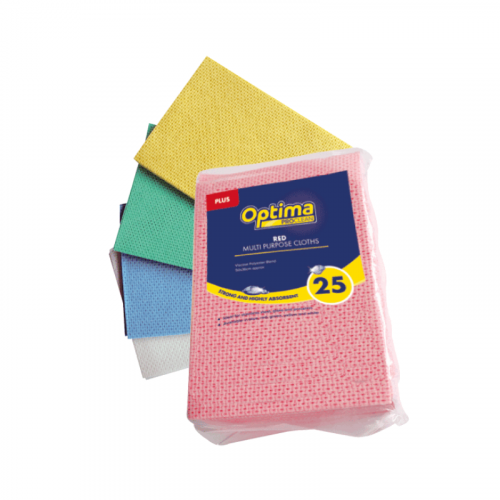
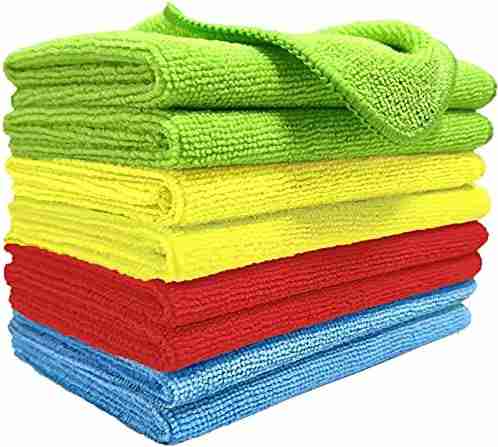
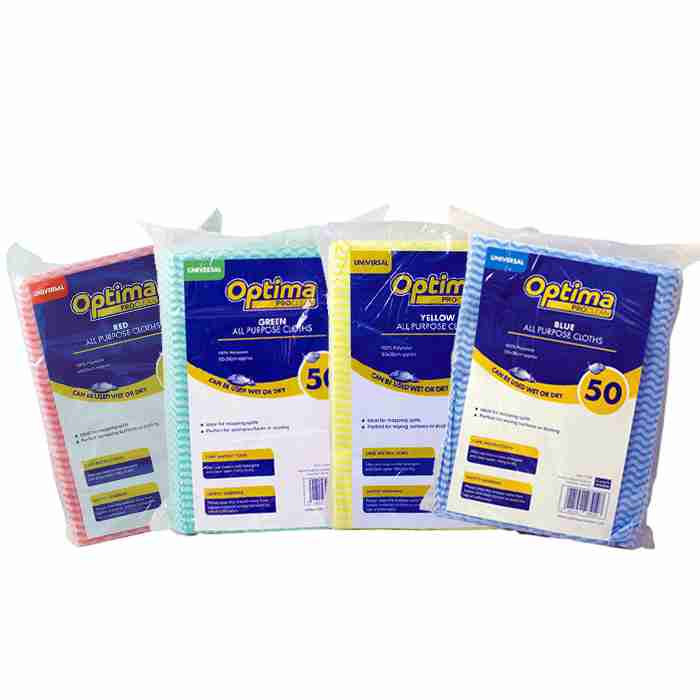
Cross-contamination between high-risk washrooms and low-risk general areas represents a severe infection hazard across commercial premises. Implementing the British Institute of Cleaning Science colour-coding protocol standardises equipment usage across sites. Staff utilise red equipment for washrooms, green for kitchens, blue for general areas, and yellow for clinical zones.
Auditors and health inspectors look for strict adherence to colour-coded segregation across cloths and mop heads. Pre-labelled, colour-coded bottles eliminate employee error during busy shift changes. Clear segregation safeguards food hygiene standards in commercial catering environments. It also prevents bacterial transfer from sanitary spaces into classrooms or office workspaces.
Built for Your Industry
Hygieia provides products and equipment into the three key UK sectors where cleaning standards run highest. Each card links to that sector’s compliance detail, recommended machines, and live case studies.
Facilities Management
Multi-site contractor support nationwide
Single rolling lease contract across all your customer sites. Replace machines as contracts win or lapse – no capital tied up.
Education & Schools
Safe corridors, term-time delivery slots
Quiet, slip-prevention scrubbers for corridors and halls. Term-time delivery slots designed not to disrupt teaching.
Healthcare & NHS
EN 14476 viral compliance for CQC sites
EN 14476-compliant chemistry and machines that meet Regulation 15 of the CQC cleanliness standards across NHS and care sites.
Sustainable Chemistry Formulations and Waste Legislation
Operational Savings of Water-Soluble Concentrates
Traditional cleaning chemicals transport high volumes of water, driving up freight emissions and packaging waste. Hygieia promotes the SoluCLEAN concentrated sachet system, delivering pre-measured, water-soluble chemical doses that dissolve directly in reusable trigger spray bottles. This approach eliminates product wastage caused by manual glug-dosing whilst reducing chemical expenditure.
Eliminating single-use plastic bottles supports corporate environmental targets and tender requirements. Pre-measured dosing delivers consistent dilution ratios, safeguarding delicate floor finishes against chemical burns. Light transport sachets reduce manual handling weight by 99%, decreasing employee strain risks. Crucially, this system slashes transport-related carbon emissions by up to 90%.
Simpler Recycling Reforms and Certified Compostable Liners
United Kingdom waste management regulations mandate the strict segregation of food waste, dry recyclables, and general commercial waste. Meeting statutory commercial waste duties requires certified compostable liners compliant with the EN 13432 standard. These liners decompose completely within commercial facilities without contaminating organic waste streams with toxic residues.
Facility managers must maintain Waste Transfer Notes for at least two years to satisfy local authority audits. Upgrading waste hardware to foot-pedal clinical receptacles supports workplace hygiene. Combining these with accredited recycled polythene sacks ensures full compliance with statutory duty of care obligations. Vetted waste consumables maintain legal compliance across corporate, healthcare, and educational properties.
Get a Trade Quote
Final Thoughts
Managing commercial hygiene across modern facilities requires reliable distribution partnerships and high-grade consumables. Procuring Manchester janitorial supplies through structured wholesale agreements lowers operating overheads. At the same time, it safeguards cleaning performance on commercial sites. By combining dependable supply chains with verified trade rates, facilities teams protect their service margins across complex multi-site contracts.
Regulatory frameworks around waste management, infection control, and chemical safety are becoming increasingly stringent. Professional cleaning operations must therefore continue refining their procurement models. Establishing transparent commercial practices, adopting ergonomic machinery, and embracing concentrated chemical technologies will ensure long-term operational resilience. These disciplines underpin commercial stability across the facilities management sector.
Frequently Asked Questions
Q: What documentation is required to open a janitorial trade credit account?
A: Opening a commercial trade credit account requires standard business verification details. Applicants must supply their registered company name, Companies House number, VAT number, and trading address. Providing trade references from existing commercial suppliers completes the application process alongside an authorised director signature. Most trade accounts complete review within twenty-four to forty-eight hours. This setup establishes thirty-day payment terms for qualified facilities contractors.
Q: How does a price-check guarantee protect cleaning contractors from overpaying?
A: A commercial price-check guarantee monitors trade prices across major national janitorial suppliers and distributors daily. Wholesale pricing frequently fluctuates across high-volume categories, including washroom paper, disposable gloves, and five-litre liquid chemicals. Dedicated price verification ensures that listed stock lines continuously match or beat prevailing United Kingdom trade rates. If a contractor identifies an identical product offered cheaper by a national competitor, the supplier adjusts the rate. This commercial policy secures stable profit margins for trade buyers.
Q: Why are water-soluble chemical sachets considered more cost-effective than liquid concentrates?
A: Water-soluble chemical sachets eliminate the widespread operational issue of manual chemical overdosing. Traditional liquid concentrates often lead cleaning operatives to pour unmeasured quantities into mop buckets or spray bottles. This wasteful habit rapidly inflates consumable expenditure and leaves slippery residues on floors. Pre-dosed sachets dissolve in exact water volumes, cutting overall chemical expenditure by up to sixty per cent. Furthermore, compact packaging reduces transport costs, minimises single-use plastic, and frees up on-site storage space.
Q: What is the difference between leasing commercial cleaning machines and buying them outright?
A: Outright purchasing transfers machine ownership immediately. This route requires an upfront capital payment that draws upon existing cash reserves. It suits cash-rich operators managing predictable long-term contracts. Conversely, equipment leasing spreads the investment across fixed multi-year terms through monthly payments. Leasing preserves operational liquidity and simplifies cash flow forecasting for commercial contractors. Furthermore, equipment lease payments in the UK are often fully deductible against corporate taxable profits.
Q: Why is EN 14476 certification essential for healthcare and school cleaning products?
A: The European standard EN 14476 confirms that a disinfectant formulation demonstrates verified virucidal efficacy in accredited laboratory testing. Standard commercial degreasers and unverified sprays often fail to deactivate persistent viral pathogens. In high-risk environments such as care homes and schools, using EN 14476 chemistry is necessary for compliance. It satisfies Care Quality Commission standards and local authority hygiene audits. Crucially, this certification provides documented proof that the cleaning formulation controls infection risks on high-touch surfaces.