Selby Janitorial Supplies: Open a Trade Account Today
Commercial cleaning contractors and facilities managers depend on reliable supply chains to keep sites running. Sourcing professional Selby janitorial supplies gives local teams steady access to industrial-grade chemicals, paper consumables and specialist machinery. Stock shortages lead to missed cleans, contract penalties and dissatisfied clients. In practice, we find that a dependable regional trade supplier removes most of that risk across North Yorkshire and beyond.
Procurement now means balancing cash flow against strict hygiene obligations, including CQC Regulation 15 and EN 14476 virucidal testing. Small firms and multi-site operators must decide whether to pay on order or use structured credit. How can contractors optimise daily purchasing whilst securing reliable trade rates without restrictive volume commitments?
Key Takeaways
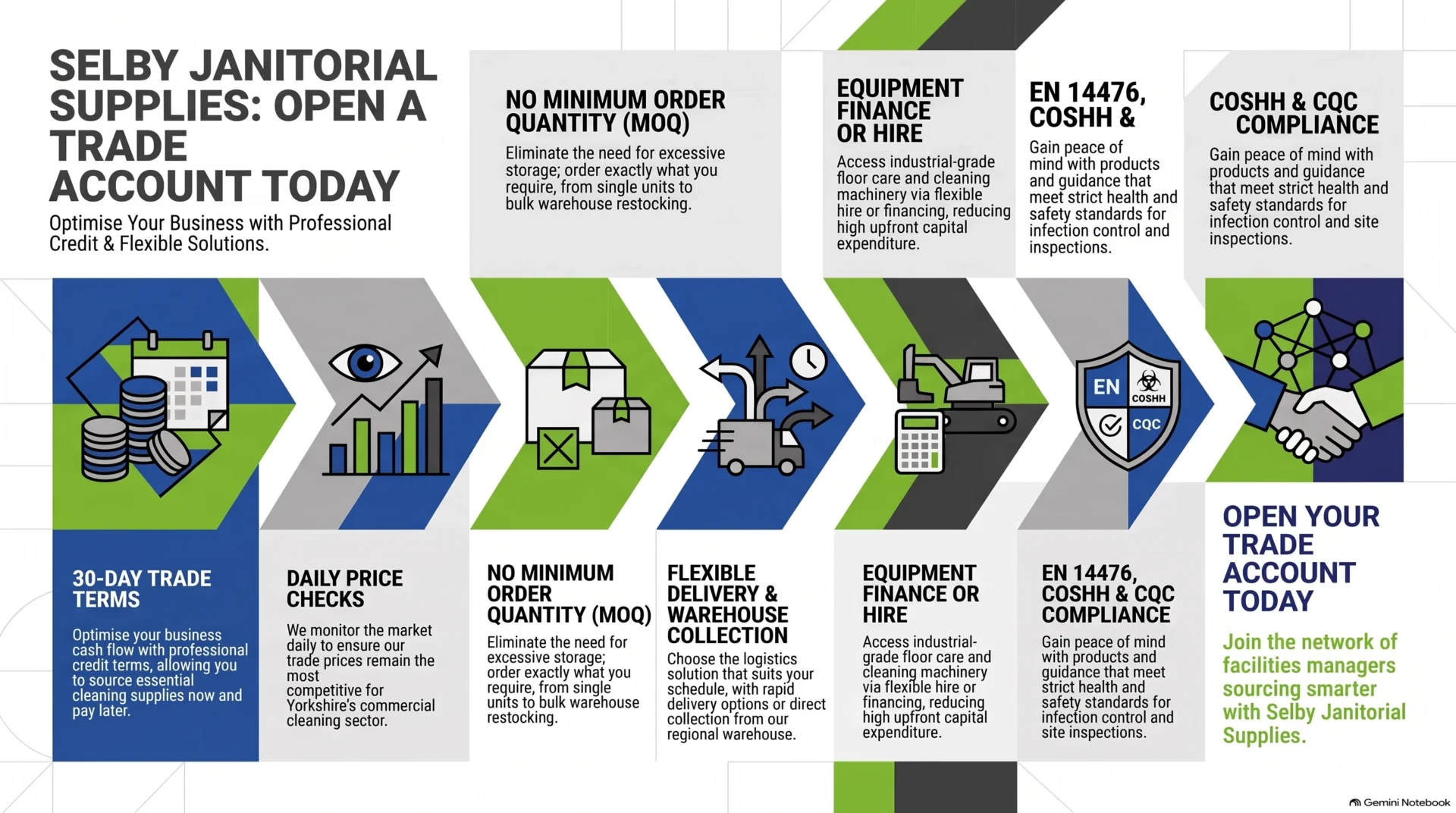
- Thirty-day trade accounts ease upfront cash pressure for cleaning contractors and consolidate multi-site purchasing into one clear monthly invoice.
- Daily wholesale price checks help keep professional cleaning chemicals and paper consumables competitively priced against major UK commercial suppliers.
- A zero minimum order policy lets smaller contractors buy single units at trade prices without tying up cash in surplus stock.
- Leasing spreads the cost of scrubber dryers over fixed monthly payments, whilst outright purchases may qualify for the Annual Investment Allowance.
- Defensible infection control rests on EN 14476 test data, current COSHH documentation and consistent colour-coded equipment to prevent cross-contamination.
Commercial Purchasing Models Compared for Cleaning Contractors
The right purchasing structure shapes how effectively a cleaning or facilities business controls its monthly overheads. Wholesale trade purchasing offers transparent pricing, technical support and compliance paperwork that general retail channels rarely match. From experience across the sector, contractors who choose their purchasing route deliberately protect their margins far better than those who buy reactively.
The table below compares the four main purchasing routes available to commercial cleaners. Each route differs in credit terms, commitment level and operational benefit. Most established contractors combine two or more routes, using a trade account for daily consumables and hire or leasing for machinery. Matching the route to the task keeps working capital free for payroll and growth.
| Purchasing Model | Credit Terms | Minimum Order | Primary Operational Benefit |
|---|---|---|---|
| 30-Day Trade Account | Net 30 days | No minimum order | Preserves cash flow and centralises invoicing |
| Direct Card Purchase | Payment on order | No minimum order | Avoids credit vetting for new or occasional buyers |
| Equipment Lease Finance | Fixed monthly payments | Single qualifying asset | Spreads machinery cost over a two to five year term |
| Short-Term Machinery Hire | Weekly or monthly | Single unit booking | Covers deep cleans, breakdowns and one-off projects |
Commercial Credit Structures for Cleaning Contractors
Cash Flow Benefits of Net Thirty Accounts
A thirty-day trade account gives commercial cleaning contractors breathing space between completing site work and receiving client payments. Instead of paying card by card for daily consumables, facilities managers pool spending into one monthly invoice. This consolidated billing cuts administration, protects cash flow and keeps operatives equipped without delay.
Consider a mid-sized cleaning firm servicing several commercial premises across Yorkshire. Ordering consumables eight times a month on company credit cards creates eight separate transactions. Each one needs logging, reconciling and matching to a VAT receipt. Under net 30-day terms, those orders roll into a single monthly statement. Operatives draw supplies as needed without waiting for card approvals. Account holders also receive priority allocation during supply shortages and technical support for equipment queries. Standard limits do not require personal guarantees or hard credit checks, which lowers the barrier for established trading companies.
Appropriate Uses for Direct Card Purchases
Paying on order remains a practical route for newly incorporated businesses without an established credit profile or trading history. Sole traders handling occasional contracts also benefit from settling each order immediately. This approach prevents debt building up whilst still unlocking genuine trade price cleaning supplies without formal credit vetting.
New contractors often need several months to build the trade references that extended credit terms require. Settling orders by debit card or bank transfer gives these businesses immediate access to professional-grade products. The route suits irregular work such as end-of-tenancy cleans, where chemical requirements vary from job to job. It also lets site supervisors trial new concentrates before adding them to wider cleaning schedules. In practice, many contractors start on card payments and move to a trade account once regular volumes are established.
Wholesale Price Leadership and Cost Verification
Daily Competitor Price Monitoring Standards
Daily price checks protect cleaning contractors against creeping wholesale inflation on core high-volume products. Procurement staff monitor mainstream UK commercial suppliers so that trade prices stay competitive across professional lines. If a contractor finds an identical stocked chemical or consumable at a lower published price, that price is matched after verification.
Price volatility can erode contractor margins, particularly on fixed-price annual facilities contracts. Daily checks cover everyday consumables including mini jumbo rolls, blue centrefeed rolls and concentrated multi-surface degreasers. Baseline rates move as leading commercial distributors change their pricing. Trade buyers who spot a lower price from a reputable UK distributor simply submit the live product link. Verified claims receive a price adjustment within one business day. This disciplined approach removes the seasonal price rises that contractors often meet elsewhere in the distribution chain.
Hidden Costs in Non-Specialist Marketplaces
Bargain cleaning chemicals from generic online marketplaces often carry hidden operational risks that damage professional reputations. Unregulated sellers may supply diluted products, near-expiry stock or items without a compliant safety data sheet. Professional cleaning businesses need traceable chemistry with documented efficacy data that satisfies COSHH assessments and commercial insurers.
Cheap bulk chemicals often cost more per diluted litre than concentrated professional formulas. A five-litre container of unbranded kitchen degreaser may need a strong dilution ratio, so it runs out quickly. Super-concentrated professional degreasers, by contrast, fill hundreds of trigger sprays from a single container. Marketplace purchases also tend to lack proper technical documentation, which leaves facilities teams exposed during health and safety inspections. Grey-market electrical machinery rarely carries a valid UK commercial warranty. Buying through established trade channels provides batch traceability, verified test data and dependable manufacturer support.
Did You Know?
Under England’s Simpler Recycling rules, the micro-firm exemption depends on total full-time equivalent employees across the whole business, not per site. A firm with three sites of five staff each counts as 15 FTE and has had to comply since 31 March 2025, whilst genuine micro-firms have until 31 March 2027.
Fulfilment Methods for Regional Facilities Teams
Scheduled Regional Van Routes and Courier Networks
Scheduled regional delivery routes give commercial teams reliable drop-offs for heavy chemical drums and bulky paper consignments. Dedicated vehicles serve established routes throughout Yorkshire, reducing the rough handling risk associated with third-party parcel networks. For urgent requirements, national couriers handle next-day consignments on orders placed before the afternoon dispatch cut-off.
Pallets of toilet tissue, heavy detergent drums and floor scrubbers all demand careful freight handling. Dedicated delivery routes minimise packaging damage and support timed arrivals at client sites. Regular routes also let supervisors plan stock replenishment precisely, which keeps storage cupboards tidy. For sudden needs outside the regional schedule, parcel networks provide next-day delivery on qualifying orders placed before 2pm. This dual model balances low transport costs on bulk orders with rapid turnaround on emergency consumables.
Direct Warehouse Collection at the Selby Depot
Direct collection from the Selby warehouse gives contractors immediate stock access when equipment fails or supplies run short. Located on Mayfair Industrial Estate, the depot allows account holders to collect urgent consumables quickly. Pre-booking a collection slot means warehouse staff pick and stage the order before arrival, cutting vehicle downtime.
Trade collection operates Monday to Friday and serves contractors working across North and West Yorkshire. Teams travelling between commercial properties can collect floor pads, chemical refills or replacement vacuum filters without waiting for a delivery. Customers phone the trade desk with purchase order details to start the process. Warehouse staff then assemble the consignment, print the relevant safety data sheets and load the vehicle on arrival. Collection visits also give contractors the chance to inspect specialist machinery in the showroom before taking it to client sites.
Trade Accounts
Transform your purchasing with our enterprise-grade procurement tool.
Pay By Monthly Invoice
Order Volume Flexibility for Growing Businesses
Commercial Friction Caused by Strict Order Minimums
Many janitorial wholesalers set minimum order values or carriage thresholds that penalise smaller contractors and single-site operations. These thresholds push growing businesses to buy surplus stock or pay delivery surcharges. Both outcomes tie up cash in idle chemical drums, restrict day-to-day flexibility and increase the storage space each site needs.
Small facilities such as independent dental surgeries or boutique offices rarely need pallet-sized deliveries. Forcing them to reach an order threshold leads to over-purchasing and cluttered chemical storage. Excess stock also creates a COSHH problem, because every extra container needs safe, segregated storage. Cash locked in surplus inventory cannot fund payroll, marketing or unexpected equipment repairs. The alternative, paying a small-order surcharge, can wipe out the margin on a modest contract. Procurement should follow actual consumption rather than a supplier’s order quota.
Operational Agility Through Zero Threshold Procurement
A trade account with no MOQ lets contractors order exactly what each contract needs, when it needs it. Cleaners can buy a single box of nitrile gloves, one replacement vacuum hose or a specialist descaler without paying inflated prices. This supports precise cost allocation against individual client accounts whilst preserving working capital.
Removing volume restrictions also lets contractors trial new products with little financial risk. Facilities managers can test water-soluble cleaning sachets or specialist carpet stain removers on one contract before a wider rollout. Every stocked item ships at standard trade prices regardless of order size. Smaller cleaning companies therefore access the same commercial rates as larger competitors. When bigger jobs call for bulk deliveries, pallet pricing remains available, which gives contractors full control over stock levels.
Equipment Acquisition
Buy Outright
Full warranty, immediate ownership
Acquire market-leading commercial machinery outright, with full manufacturer warranty and direct delivery from our Selby HQ to site.
Lease Finance
Tax-efficient lease from £24 pcm
Spread the cost over 2, 3 or 5 years with no-deposit leasing on machines over £1,000, plus same-day approval and 7-day UK delivery.
Short-Term Hire
Cover breakdowns and one-off jobs
Hire professional scrubber dryers, carpet extractors and steam cleaners from our Selby HQ for emergency cover or one-off project work.
Machinery Acquisition and Fleet Financing Strategies
Capital Purchase versus Leasing for Floor Machinery
Investing in floor cleaning machinery requires a measured financial approach that matches machine productivity with balance sheet objectives. Outright purchase demands immediate capital, reducing reserves that could otherwise fund growth. Leasing instead converts the cost into fixed monthly payments, and operating lease rentals generally count as a deductible business expense.
A compact scrubber dryer clears far more floor area per hour than a mop and bucket. However, paying several thousand pounds upfront can strain cash flow. Structured lease agreements spread the cost over terms of two to five years. Monthly payments then sit alongside the client revenue the machine helps to earn. Outright purchase carries its own tax advantage, because qualifying plant and machinery may be claimed under the Annual Investment Allowance, currently £1 million a year. From experience, the right choice depends on cash reserves, contract length and the expected replacement cycle. Contractors should confirm the tax treatment with their accountant before signing.
Short-Term Hire for Specialist Projects
Short-term equipment hire solves temporary capacity gaps without committing a contractor to long-term liabilities or depreciation. Rental units deliver immediate cleaning power for periodic deep cleans, builders’ cleans or cover during machine servicing. Contractors can access heavy carpet extractors or rotary scrubbers exactly when contract revenue supports the cost.
Contractors often win deep cleaning tenders that call for equipment outside their usual fleet. Hiring high-torque orbital scrubbers, hot-water carpet extraction units or high-level cleaning tools lets teams complete these specialist tasks safely. Hire also covers unexpected breakdowns, so site teams keep meeting agreed performance indicators whilst primary machines undergo repair. Equipment from established commercial channels should arrive tested, serviced and PAT tested. Hiring a machine on a live contract also provides useful performance data before any commitment to a lease or purchase.
Price-Checked Deals
Stock up on our fast-moving wholesale cleaning products today. We constantly monitor these price-checked deals to lower your commercial overheads..
Healthcare Disinfection and Regulatory Compliance
Virucidal Performance Under BS EN 14476
BS EN 14476 is the quantitative suspension test for the virucidal activity of chemical disinfectants used in medical and healthcare settings. To pass, a product must achieve at least a log 4 reduction, removing 99.99% of the test virus within a stated contact time. Certified chemistry gives healthcare sites defensible infection control evidence.
Care homes, surgeries and clinics need disinfection protocols that interrupt cross-contamination. EN 14476 data shows which viruses a disinfectant inactivates and under what conditions. Full virucidal claims include tough non-enveloped viruses, with murine norovirus used as the test surrogate for human norovirus. A claim limited to enveloped viruses covers organisms such as influenza and coronaviruses, but not norovirus. Facilities managers should check the technical data sheet for claimed organisms, contact time and clean or dirty test conditions. Retail disinfectants rarely provide this detail, which leaves sites exposed during infection control audits.
Care Quality Commission Cleanliness Inspections
Care Quality Commission inspectors assess cleanliness against Regulation 15 of the Health and Social Care Act 2008 (Regulated Activities) Regulations 2014. This regulation requires premises and equipment to be clean, suitable and properly maintained. Inspectors look for evidence-based cleaning protocols, trained staff and current COSHH documentation rather than surface appearance.
During an inspection, CQC teams review cleaning schedules, chemical dilution records and product technical sheets. They also consider the Code of Practice on the prevention and control of infections, which supports Regulation 12. In practice, we find that multi-surface cleaners combining detergency with documented virucidal performance simplify daily audit trails. Upright vacuums with HEPA filtration help trap fine dust and allergens in resident areas. COSHH risk assessments must remain accessible to cleaning staff at all times. Buying from suppliers who provide full technical dossiers means managers are not searching for paperwork during an unannounced visit.
Built for Your Industry
Hygieia provides products and equipment into the three key UK sectors where cleaning standards run highest. Each card links to that sector’s compliance detail, recommended machines, and live case studies.
Facilities Management
Multi-site contractor support nationwide
Single rolling lease contract across all your customer sites. Replace machines as contracts win or lapse – no capital tied up.
Education & Schools
Safe corridors, term-time delivery slots
Quiet, slip-prevention scrubbers for corridors and halls. Term-time delivery slots designed not to disrupt teaching.
Healthcare & NHS
EN 14476 viral compliance for CQC sites
EN 14476-compliant chemistry and machines that meet Regulation 15 of the CQC cleanliness standards across NHS and care sites.
Zonal Cross-Contamination Controls and Waste Law
British Institute of Cleaning Science Zonal Colour Codes
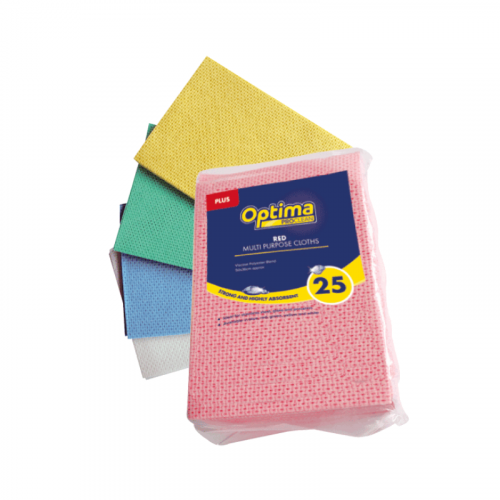
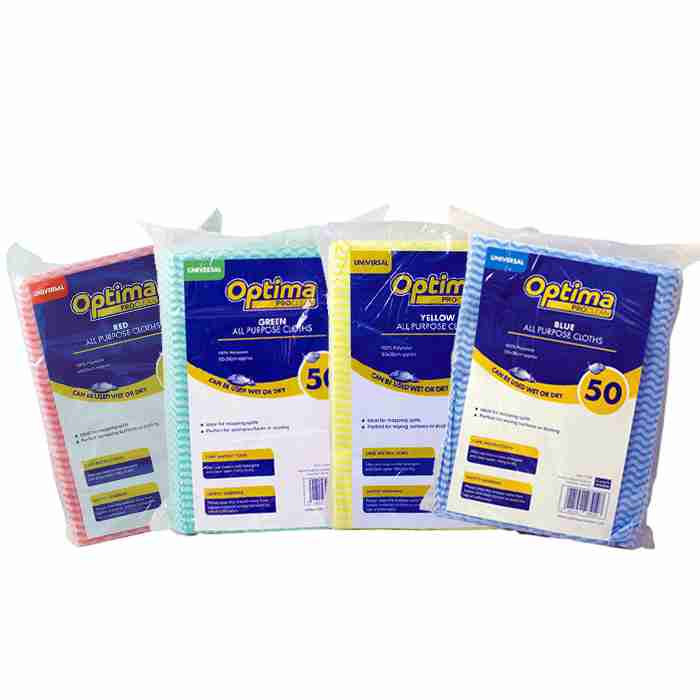
Standardised colour coding underpins cross-contamination prevention in commercial, healthcare and catering environments. The accepted scheme assigns red to washrooms, blue to general areas, green to food preparation zones and yellow to clinical or isolation areas. Visual coding simplifies staff training and gives inspectors clear evidence of consistent practice.
The British Institute of Cleaning Science colour code separates high-risk sanitary areas from low-risk working spaces. Red cloths, mops and buckets stay confined to toilets and washroom surrounds. Blue equipment covers offices, reception areas and classrooms. Green equipment stays in kitchens and food preparation zones, preventing foodborne bacteria from spreading. Yellow applies to clinical rooms and isolation areas in healthcare settings. Colour-coded, pre-labelled trigger bottles help operatives use the correct dilution in each zone without confusion.
Workplace Waste Segregation and EN 13432 Liners
Workplace recycling law in England now requires most premises to separate dry recyclables, food waste and residual waste before collection. Food waste caddy liners should conform to EN 13432, the European standard for industrially compostable packaging. Compliant liners biodegrade into water, carbon dioxide and biomass under industrial composting conditions within six months.
Under the Simpler Recycling reforms, dry recyclables include paper and card, plastic, metal and glass. Waste collectors can reject contaminated containers, which often leads to extra disposal charges. Certified compostable sacks made from starch-based blends allow catering waste to pass cleanly through composting or anaerobic digestion. For general waste, CHSA-accredited refuse sacks reduce the risk of splitting and leakage in transit. Suitable waste consumables also support each business’s statutory Duty of Care under the Environmental Protection Act 1990.
Get a Trade Quote
Final Thoughts
Maintaining hygiene across commercial facilities depends on procurement partners who balance competitive costs with regulatory certainty. Sourcing Selby janitorial supplies through a trade account gives cleaning contractors 30-day terms, daily price checks and zero order minimums. That combination reduces administration whilst keeping working capital available for frontline growth.
Waste segregation duties and infection control expectations will continue to tighten across England. Cleaning teams should review their chemical, equipment and waste consumable choices at least annually. Consistent colour coding, documented virucidal data and a sensible mix of leasing and hire will leave contractors well prepared for future inspections.
Frequently Asked Questions
Q: What documentation is required to open a janitorial trade account?
A: Opening a commercial trade account requires basic company details to confirm the business identity. Applicants usually provide their registered company number, trading address, VAT registration details and trade references. An authorised signatory completes the application, which is typically processed within one to two business days. Standard limits do not require invasive credit checks or personal guarantees. Limited companies, educational trusts and established sole traders can therefore access net 30-day terms quickly and simplify their monthly purchasing and accounting.
Q: How does the daily wholesale price check operate?
A: Procurement staff monitor everyday prices across UK commercial janitorial suppliers so that core trade lines stay competitive. If a buyer finds an identical stocked chemical, consumable or paper product advertised for less by a verifiable UK distributor, they submit the live product link. Once verified, the price is matched, usually within one business day. The check applies to like-for-like commercial products. It excludes clearance sales, non-comparable pack sizes and marketplace listings without proper safety data sheets.
Q: Can commercial cleaners order supplies without meeting minimum spend thresholds?
A: Yes. A trade account with no minimum order requirement lets contractors buy a single five-litre chemical, a pack of replacement vacuum bags or one box of gloves at published trade rates. No small-order penalty applies. This protects working capital for small businesses and independent contractors. It also prevents over-ordering, which keeps chemical storage safe and tidy. Facilities managers can align stock with each client’s actual consumption rather than an arbitrary spend target.
Q: Why is EN 14476 certification important for care home cleaning chemicals?
A: EN 14476 is a laboratory test that confirms whether a disinfectant inactivates viruses, requiring at least a log 4 reduction, or 99.99%. CQC inspectors assess cleanliness and infection control under Regulations 12 and 15, and they expect evidence that products suit their purpose. EN 14476 data provides that evidence. Care homes should look for full virucidal claims where norovirus is a risk, because products tested only against enveloped viruses will not cover it.
Q: What are the advantages of leasing commercial floor scrubbers over purchasing?
A: Leasing lets cleaning businesses use high-performance floor machines without spending working capital upfront. Payments are fixed and predictable, and operating lease rentals are generally deductible as a business expense. Monthly costs also sit alongside the contract income the machine supports. At the end of the term, contractors can often upgrade to newer models, which avoids obsolescence and rising repair costs. Outright purchase may suit cash-rich firms, as qualifying machinery can be claimed under the Annual Investment Allowance.