
Scunthorpe Janitorial Supplies: Open a Trade Account
Commercial cleaning operations across North Lincolnshire require dependable access to durable equipment, certified chemicals, and reliable consumables. Facilities across manufacturing hubs, healthcare clinics, and commercial premises demand consistent procurement. Reliable purchasing protects operating cash flow without compromising regulatory compliance. Sourcing Scunthorpe janitorial supplies through dedicated trade channels eliminates standard retail markups. Direct distribution routes and technical documentation help cleaning teams maintain audit-ready environments every day. Local contractors benefit from dependable delivery schedules and stable trade pricing across all core product ranges.
Why should facilities managers pay inflated retail costs or hold excess inventory when modern trade distribution routes solve both problems? Adopting structured commercial terms allows local organisations to maintain strict hygiene standards. Streamlined chemical systems also reduce general site expenses. Are your current purchasing arrangements genuinely protecting your profit margins and compliance ratings?
Key Takeaways
- Trade credit accounts provide thirty-day payment windows and centralised monthly invoicing, which significantly improves cash flow for growing cleaning contractors across Lincolnshire.
- Daily wholesale price checks protect contractors from inflated retail markups, ensuring competitive rates on professional-grade chemicals, consumables, and cleaning equipment.
- Operating with no minimum order requirements allows local facilities to order exact product quantities, eliminating costly excess inventory and unnecessary storage burdens.
- Machine leasing structures allow facilities teams to deploy advanced scrubber dryers immediately whilst treating monthly lease rentals as allowable expenses against taxable profits.
- Full regulatory compliance requires verified EN 14476 virucidal chemistry, strict zonal colour-coding, and accessible safety data sheets to satisfy Care Quality Commission audits.
Wholesale Janitorial Procurement Models Compared
Contractors and facilities teams in North Lincolnshire must weigh commercial purchasing against irregular retail buying. Establishing direct trade arrangements provides operational predictability. Scheduled deliveries, consolidated billing, and protected trade margins support long-term planning. This comparison outlines the core differences between retail purchases, standard wholesale frameworks, and dedicated trade accounts.
Procurement decisions affect monthly labour budgets and regulatory audit outcomes in commercial settings. Facilities that rely on domestic retail alternatives frequently face higher cost-in-use figures. They also risk inadequate safety documentation and unmanaged inventory waste. Reviewing key account features demonstrates why structured commercial terms outperform fragmented purchasing habits.
| Procurement Feature | Retail Outlet Sourcing | Dedicated Trade Account |
|---|---|---|
| Payment Terms | Immediate payment via debit or credit card | 30-day net credit terms on invoice |
| Minimum Order Quantity | Variable item restrictions and pack sizes | No minimum order quantity on core lines |
| Technical Compliance | Incomplete safety records and domestic grades | EN-certified chemicals with full COSHH datasheets |
| Pricing Structure | Unstable consumer prices with retail margins | Daily price-checked commercial trade rates |
| Equipment Support | Basic consumer returns without field support | Try-before-buy demonstrations and flexible leasing |
Cashflow Advantages of Trade Accounts for Contractors
Thirty-Day Credit Terms That Protect Working Capital
Trade accounts protect contractor liquidity by deferring expenditure across a structured thirty-day net billing cycle. Instead of depleting bank reserves through repeated card transactions, cleaning contractors can complete client jobs first. They collect client payments before settling supplier accounts, preserving vital cash flow for payroll and regular operational costs.
Consider a commercial contractor in Scunthorpe managing multiple cleaning teams across industrial facilities. Placing several weekly consumable orders using credit cards rapidly ties up available funds. It also creates administrative overhead. Consolidated monthly invoicing replaces multiple receipts with a single transparent statement. This statement features full VAT breakdowns. The streamlined process simplifies quarterly tax reporting. It also reduces bank reconciliation time for administrative staff.
Streamlined Account Onboarding and Trade Qualification
Opening a commercial trade account requires only standard business verification. Applicants submit company details, VAT registration if applicable, and standard trade references. Applications process within twenty-four to forty-eight hours without locking contractors into mandatory monthly spending commitments. This setup provides immediate access to trade-tier pricing and priority order handling.
Many small business owners assume that opening a wholesale account requires enterprise-level revenue. In reality, credit facilities support commercial contractors of all sizes. Providers avoid invasive checks for standard credit limits. Approved account holders benefit from priority order processing and dedicated trade lines. They also receive early notification of inventory arrivals. Cash purchasing remains an option for occasional spot items. However, regular contract work benefits from the administrative stability of a credit facility.
Daily Wholesale Price Protection on Professional Supplies
Competitive Benchmarking Against National Trade Distributors
A systematic daily price-check guarantee ensures that cleaning supplies match or beat prevailing wholesale rates across the United Kingdom. Specialist procurement teams monitor major online trade distributors continuously. They adjust chemical, paper, and equipment prices so local buyers in Scunthorpe never overpay on core consumable stock.
Trade contractors often spend valuable hours comparing product codes and unit rates across disparate catalogues. Wholesale pricing can suffer from seasonal price spikes during periods of high demand. A daily benchmarking framework removes this friction by applying transparent, competitive pricing automatically. If a customer identifies an identical stocked specification available cheaper from a UK seller, trade desks match or beat that figure within one working day.
Hidden Surcharges on Core Consumables
Trade buyers frequently lose margin on everyday high-volume items. These products include bulk washroom paper, disposable nitrile gloves, and industrial degreasers. Independent market platforms often present low headline rates but inflate carriage fees. Some suppliers distribute diluted formulations or sell out-of-date stock lacking verified COSHH safety data.
Professional cleaning demands precise formulations that perform predictably under heavy commercial use. Low-grade janitorial paper purchased from general retail channels disintegrates easily. This problem forces building occupants to use extra sheets, driving up consumption. Sourcing verified trade price cleaning supplies ensures commercial-grade quality, such as CHSA-accredited refuse sacks and AQL 1.5 medical-grade gloves. Commercial buyers achieve lower operational costs through chemical performance and sheet yield rather than false initial savings.
Did You Know?
Under regulation 6 of the Control of Substances Hazardous to Health Regulations 2002, employers must assess the risks from hazardous substances, including cleaning chemicals, before work begins. Where an employer has five or more employees, the significant findings of that assessment must be recorded.
Regional Fulfilment Networks and Collection Methods
Delivery Routes and Next-Day Distribution Schedules
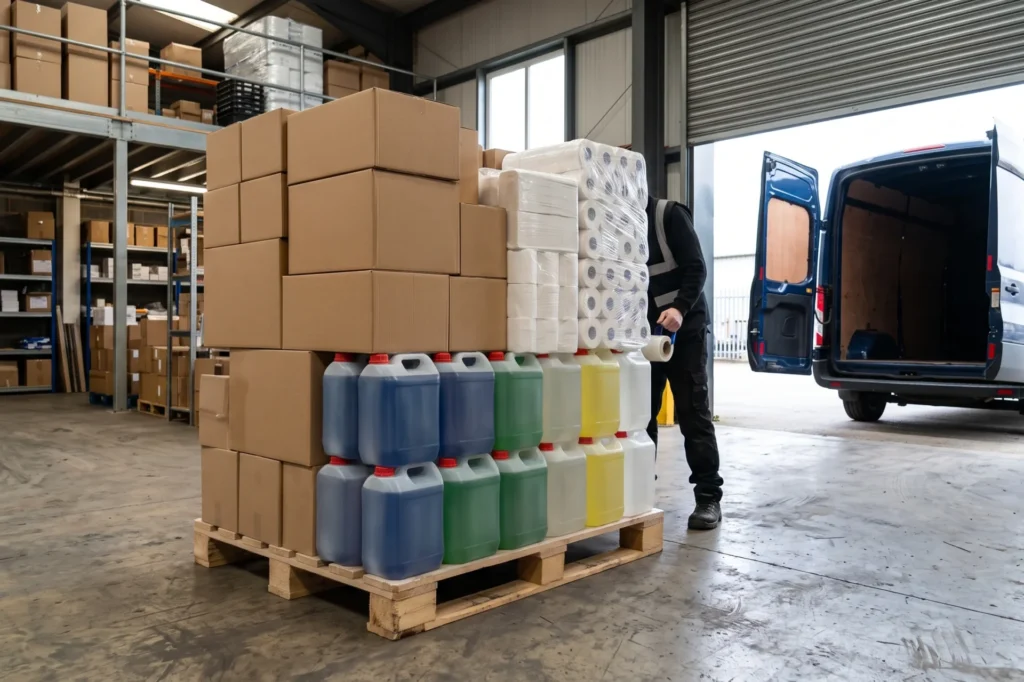
Reliable delivery routes connect regional fulfilment centres directly to Scunthorpe commercial parks and care environments. Operating regular transport routes alongside rapid national courier networks ensures that bulky chemical drums, paper pallets, and emergency hygiene restocks arrive on site when needed. This reliable logistics structure prevents costly operational downtime.
Order timing remains essential for facilities teams balancing rigorous cleaning rotas. Orders finalised before the daily two o’clock afternoon cut-off process immediately from central warehousing. Dedicated route vehicles handle heavy chemical consignments, concentrated floor solutions, and delicate machinery safely. For smaller, urgent requirements such as replacement vacuum filters or personal protective equipment, national courier dispatch ensures rapid arrival. This service keeps cleaning teams fully equipped.
Warehouse Collection Protocols for Emergency Stock
Direct warehouse collection provides an immediate solution when unexpected contract demands or equipment failures require same-day turnaround. Pre-booking a collection slot ensures warehouse teams pick, check, and stage orders in advance. This preparation allows contractors to collect essential supplies without administrative delays or job site disruption.
Facilities managers often encounter emergency spillage events or sudden audit visits that require immediate product deployment. Through a streamlined phone-ahead system, trade account holders provide their purchase order number. They arrive to find goods secured and verified. This collection process eliminates delivery waiting windows when time is tight. Regional hubs also provide an opportunity to examine equipment in person. Operatives can discuss technical surface applications directly with experienced advisors.
Trade Accounts
Transform your purchasing with our enterprise-grade procurement tool.
Pay By Monthly Invoice
Operational Flexibility With Zero Minimum Order Quantities
Single Unit Purchasing at Wholesale Price Levels
Removing minimum order requirements allows commercial contractors to purchase individual cases or single chemical units at standard trade prices. Small operators can access industrial-strength products without committing large sums of upfront cash. This approach democratises professional hygiene standards across independent cleaning businesses and single-site premises.
Conventional janitorial wholesalers routinely enforce order thresholds of several hundred pounds to justify picking overheads. This practice forces growing businesses to tie up limited cash flow in slow-moving stock. Contractors often purchase unneeded ancillary items simply to meet arbitrary minimums. A no-MOQ trade account removes this hurdle by maintaining wholesale pricing across all order volumes. Cleaning contractors can secure a single replacement bottle, a specific floor pad, or a specialist solvent at genuine wholesale rates.
Lower Storage Liabilities and Less Site Clutter
Purchasing through a trade account with no MOQ prevents excessive chemical stock from accumulating in cramped facility storage cupboards. Smaller premises avoid health and safety hazards associated with overstocking flammable solvents or concentrated acids. This disciplined approach maintains organised, compliant cleaner rooms that satisfy insurance guidelines.
Overstocked janitorial cupboards present real operational and compliance risks. Excess inventory increases the likelihood of accidental spills. It can also obscure vital safety signage. Outdated stock may remain on site past operational efficacy dates. Aligning order volumes directly with weekly consumption schedules promotes clean, safe utility spaces. Bulk pallet ordering remains cost-effective for high-volume paper lines. Nevertheless, the freedom to order single units provides exceptional operational control across diverse client portfolios.
Equipment Acquisition
Buy Outright
Full warranty, immediate ownership
Acquire market-leading commercial machinery outright, with full manufacturer warranty and direct delivery from our Selby HQ to site.
Lease Finance
Tax-efficient lease from £24 pcm
Spread the cost over 2, 3 or 5 years with no-deposit leasing on machines over £1,000, plus same-day approval and 7-day UK delivery.
Short-Term Hire
Cover breakdowns and one-off jobs
Hire professional scrubber dryers, carpet extractors and steam cleaners from our Selby HQ for emergency cover or one-off project work.
Floor Care Machinery Acquisition: Outright Purchase, Leasing, and Hire
Financial Efficiency and Capital Preservation Through Machine Leasing
Leasing floor care machinery allows facilities managers to deploy advanced equipment such as compact scrubber dryers without committing substantial upfront capital. Fixed monthly payments spread across two to five years protect cash reserves. Operating lease rentals are also normally treated as allowable business expenses against taxable profits.
High-performance commercial scrubbers significantly elevate cleaning performance on hard floors. However, capital expenditure constraints often delay necessary machine upgrades. Spreading the investment over predictable monthly instalments aligns machinery costs directly with incoming contract revenue. Deploying a commercial scrubber dryer on a fixed lease allows a contractor to secure a high-value contract immediately. At the conclusion of the lease period, businesses can upgrade to modern cleaning technology, avoiding obsolete equipment.
Outright Purchase Versus Short-Term Hire
Outright machine purchase makes commercial sense for established contractors with robust cash reserves and ongoing long-term site contracts. Conversely, short-term hire offers an agile solution for covering temporary equipment breakdowns. It also suits seasonal deep-cleaning requirements or trialling machinery before committing to long-term ownership.
Every cleaning contract presents unique mechanical demands. High-torque rotary scrubbers and commercial carpet extractors represent valuable assets when deployed daily. These units justify outright capital purchase supported by manufacturer warranties. However, specialised projects like post-construction cleans or industrial floor degreasing may only require specific machinery for several days. Short-term hire provides immediate access to professional kit without long-term depreciation. This model gives facilities teams complete operational flexibility.
Price-Checked Deals
Stock up on our fast-moving wholesale cleaning products today. We constantly monitor these price-checked deals to lower your commercial overheads..
Healthcare Standards and Antiviral Chemical Compliance
Care Quality Commission Cleanliness Expectations
Care Quality Commission inspections assess cleanliness under Regulation 15, which requires premises and equipment to be clean. Infection prevention and control falls under Regulation 12. Healthcare facilities must demonstrate rigorous cleaning protocols using certified chemistry. They also need comprehensive COSHH documentation and verifiable cleaning schedules to achieve compliant audit ratings.
In healthcare environments, visual cleanliness alone does not satisfy regulatory inspectors. Compliance auditors scrutinise dilution ratios, contact times, and safety data sheets to ensure clinical areas remain safe. Sourcing approved disinfectants ensures that care homes, dental practices, and outpatient clinics maintain an indisputable paper trail. Detailed product dossiers provide empirical proof during routine inspections, confirming that infection control measures meet established statutory guidelines.
Antiviral Efficacy Standards Under BS EN 14476 Testing
Chemical solutions certified to BS EN 14476 have passed independent laboratory testing for virucidal efficacy. To pass, a product must achieve at least a 4-log reduction, equivalent to 99.99%, against the specified test viruses. Certified formulations provide clinical protection across high-touch surfaces such as door handles, bedrails, and medical furnishings.
Generic commercial cleaners often lack independent certification against resilient microbial pathogens. Using non-certified chemicals in healthcare or educational settings exposes building occupants to cross-infection risks. It also leaves operators vulnerable to compliance penalties. Advanced antiviral formulations combine broad-spectrum disinfection with everyday surface cleaning power in a single operation. This two-in-one capability reduces required labour hours, prevents surface degradation, and guarantees certified decontamination across critical touchpoints.
Built for Your Industry
Hygieia provides products and equipment into the three key UK sectors where cleaning standards run highest. Each card links to that sector’s compliance detail, recommended machines, and live case studies.
Facilities Management
Multi-site contractor support nationwide
Single rolling lease contract across all your customer sites. Replace machines as contracts win or lapse – no capital tied up.
Education & Schools
Safe corridors, term-time delivery slots
Quiet, slip-prevention scrubbers for corridors and halls. Term-time delivery slots designed not to disrupt teaching.
Healthcare & NHS
EN 14476 viral compliance for CQC sites
EN 14476-compliant chemistry and machines that meet Regulation 15 of the CQC cleanliness standards across NHS and care sites.
Cross-Contamination Prevention Through Zonal Colour-Coding
Four-Colour Coding Under the British Institute of Cleaning Science
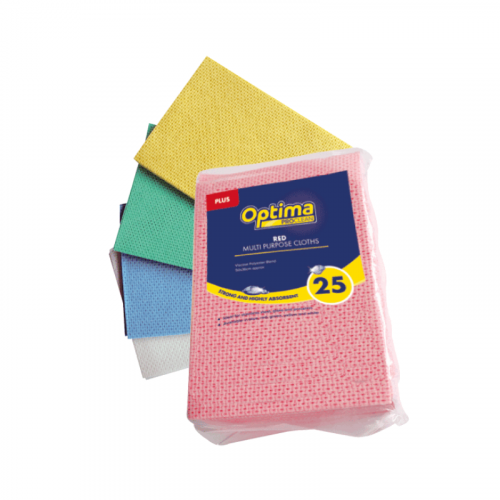
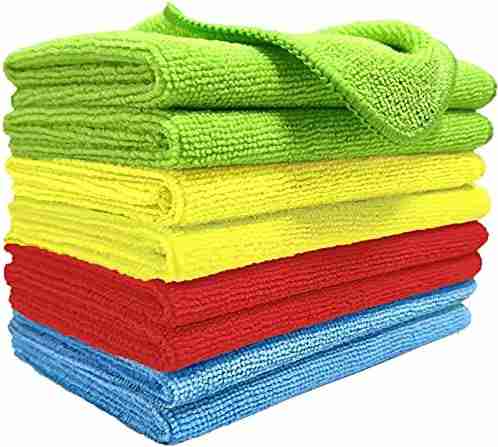
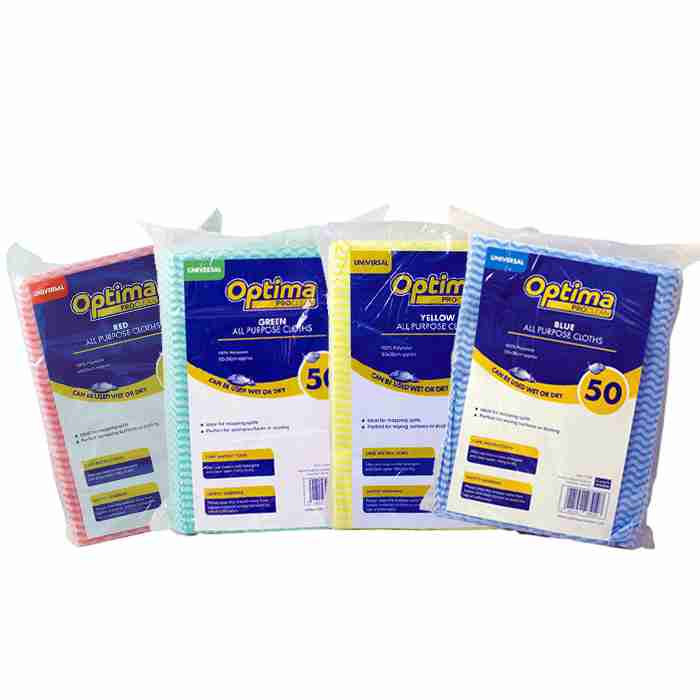
Adopting the British Institute of Cleaning Science colour-coding standard establishes clear physical segregation across distinct hygiene zones. Red equipment isolates washroom facilities, yellow designates clinical or infection-risk areas, green protects food preparation spaces, and blue manages general office, reception, and classroom environments.
Cross-contamination represents one of the most persistent operational hazards in commercial facility management. Using a cleaning cloth across multiple zones can transfer harmful pathogens from washrooms to dining surfaces or office workstations. Implementing distinct coloured microfibre cloths, mop heads, and matching handles visually reinforces hygiene boundaries for on-site operatives. This standardisation eliminates confusion, supports quick supervisory auditing, and reassures clients that hygiene protocols remain strictly maintained across every room.
Pre-Labelled Dosing Systems for Safer Dilution
Pre-labelled, colour-coded reusable spray bottles simplify chemical dilution and eliminate dangerous dosing errors among cleaning staff. Pairing designated bottles with pre-measured soluble chemical sachets ensures accurate chemical strengths. This method also provides essential safety labelling, hazard symbols, and usage directions directly on the container.
Manual chemical dilution often leads to heavy overdosing. This habit leaves sticky residues on floors, creates slip hazards, and wastes costly inventory. Conversely, under-dilution fails to deliver the required sanitising efficacy. Using dedicated bottles for life paired with encapsulated dosing sachets standardises the cleaning mixture completely. Operatives fill the bottle with water, add a single sachet, and secure the colour-coded trigger head. This practice ensures maximum cleaning performance and full safety compliance across every shift.
Get a Trade Quote
Final Thoughts
Procuring Scunthorpe janitorial supplies through structured wholesale channels provides commercial facilities and cleaning contractors with substantial operational benefits. Combining thirty-day trade credit with daily wholesale price protection allows cleaning providers to protect cash flow. Teams can upgrade to industrial-grade chemicals and machinery without fiscal strain. Reliable regional delivery networks, coupled with flexible zero-minimum order terms, eliminate the hidden costs of overstocked store cupboards and retail price spikes.
The commercial cleaning landscape prioritises verifiable sustainability, strict infection control, and mechanical efficiency. Adopting encapsulated chemistry, colour-coded cross-contamination controls, and flexible machinery acquisition frameworks ensures facilities remain audit-ready and cost-effective. Organisations that build stable, compliant procurement partnerships today maintain a decisive competitive advantage as regulatory standards and client expectations continue to elevate across the region.
Frequently Asked Questions
Q: What information is required to open a trade account?
A: Opening a professional trade account requires basic operational verification to establish credit terms. Applicants submit their registered company name, trading address, company registration number, and VAT details where applicable. Providing two trade references and contact details for an authorised director completes the standard application. Applications typically process within twenty-four to forty-eight hours. This setup establishes thirty-day payment terms without imposing minimum monthly spending commitments. It also avoids invasive personal financial checks for standard commercial credit limits.
Q: How does the daily wholesale price guarantee work?
A: The daily price guarantee continually benchmarks commercial cleaning chemicals, washroom paper products, and cleaning equipment against leading UK wholesale distributors. Specialist purchasing teams adjust catalogue prices to ensure contractors never pay inflated rates for professional-grade stock. If a customer identifies an identical stocked product offered at a lower price by an established UK supplier, submitting product details allows the trade team to match or beat that quote within one working day, protecting essential trade margins.
Q: What are the benefits of buying janitorial supplies with no minimum order quantity?
A: Purchasing with no minimum order requirements allows cleaning contractors and facilities teams to buy precisely what their sites require without paying small-order penalties. Operators avoid tying up working capital in slow-moving stock or crowding supply cupboards with excessive chemical containers. Smaller contractors can access trade-level pricing on a single case of gloves, a replacement machine component, or a single bottle of specialist solvent. This purchasing freedom provides exceptional budgetary control and reduces the risk of stock degradation.
Q: Why should a commercial facility lease floor cleaning machinery instead of buying?
A: Leasing commercial floor care machinery preserves working capital by avoiding large upfront equipment outlays. Fixed monthly payments spread the expense over two to five years, aligning operational costs directly with ongoing cleaning contract revenues. Operating lease rentals are normally treated as allowable business expenses, which reduces taxable profits. At the end of the term, facilities can easily upgrade to modern technology, ensuring cleaning teams always utilise efficient, high-performance equipment without managing asset depreciation.
Q: How does EN 14476 certification assist with Care Quality Commission compliance?
A: BS EN 14476 certification proves that a chemical disinfectant has passed rigorous European virucidal efficacy tests, achieving at least a 99.99% reduction in test viruses within a specified contact time. During Regulation 15 cleanliness audits, Care Quality Commission inspectors require verifiable evidence that hygiene products effectively mitigate infection risks. Using certified products provides the documented proof inspectors expect, ensuring healthcare practices, care homes, and clinical environments maintain safe, audit-ready facilities backed by clear technical data.