Rotherham Janitorial Supplies: Open a Trade Account Today
Operating a commercial cleaning firm in South Yorkshire requires dependable access to professional chemicals and hardware. Sourcing reliable Rotherham janitorial supplies directly influences operational labour costs and on-site hygiene standards. When businesses rely on fragmented retail purchases, operational expenses escalate rapidly whilst regulatory compliance suffers. Trade access provides industrial formulations, reliable machinery, and durable consumables across healthcare, educational, and commercial premises throughout the region.
How can facilities managers and cleaning contractors remove procurement friction whilst protecting monthly operating margins? A structured trade relationship provides dependable logistics and certified chemical formulations. Regular trade pricing gives commercial operations genuine trade terms without administrative complications. Does your current supply chain support daily workflows without imposing restrictive ordering rules or inflated retail markups?
Key Takeaways
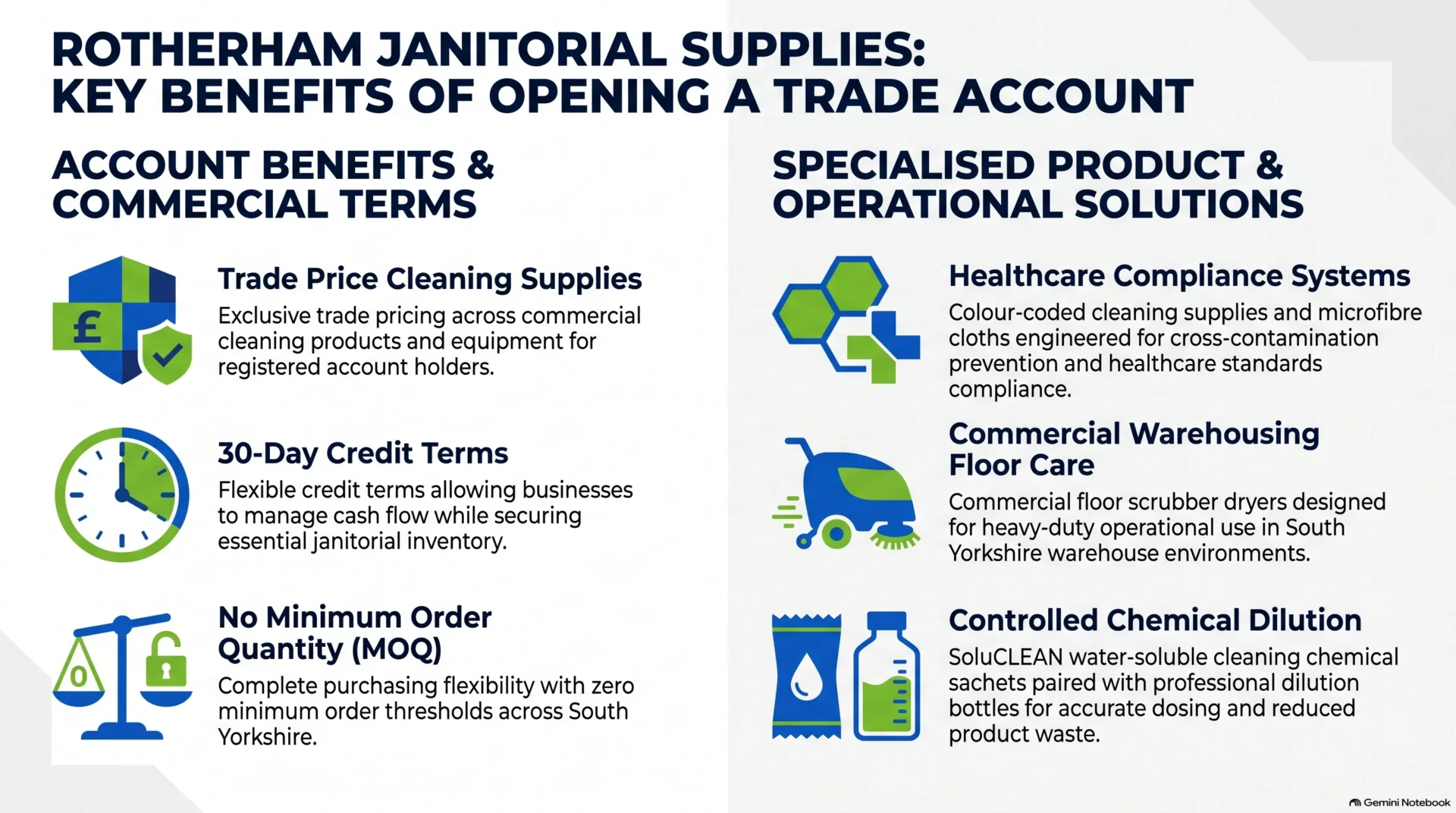
- Trade accounts provide cleaning contractors with thirty-day credit terms, centralised monthly invoicing, and predictable cash flow management across every commercial cleaning contract.
- Daily price checks against national wholesale rates ensure trade buyers receive genuine trade price cleaning supplies without paying unnecessary middleman markups on consumables.
- Maintaining a trade account with no MOQ allows regional businesses to purchase exact chemical quantities without tying up working capital in surplus inventory.
- Equipment leasing preserves liquid capital whilst granting immediate access to advanced floorcare machinery such as the i-mop XL Plus scrubber dryer.
- Care Quality Commission inspections expect documented virucidal formulations tested to EN 14476 alongside a disciplined British Institute of Cleaning Science colour-coding system.
Commercial Procurement Frameworks for Cleaning Operations
Choosing the correct purchasing channel determines whether commercial cleaning operations remain consistently profitable or struggle with overheads. Regional contractors must constantly balance urgent consumable replenishment against long-term capital investments in machinery. A structured procurement framework ensures that facilities maintain continuous stock levels whilst keeping operating budgets predictable.
The table below outlines the primary acquisition methods available to regional cleaning businesses and commercial facilities. Comparing upfront cash purchases against structured credit facilities and equipment leasing models clarifies long-term operational planning. Procurement teams can then select the most cost-effective route for their specific site demands and cash flow requirements.
| Acquisition Model | Cash Flow Impact | Primary Operational Benefit |
|---|---|---|
| Cash Purchase | Immediate working capital reduction | Immediate ownership for low-cost, ad-hoc consumable purchases |
| 30-Day Trade Account | Consolidated payment at month end | Streamlined multi-site procurement with a single monthly invoice |
| Equipment Lease Finance | Fixed, predictable monthly payments | Access to advanced floorcare technology without a large capital outlay |
| Short-Term Machinery Hire | Temporary operational expense | Flexible coverage for deep cleans and emergency breakdowns |
Trade Accounts Versus Cash Purchases
Credit Facilities and Consolidated Billing
A dedicated trade account transforms how facilities managers handle operational expenses. The system replaces fragmented card receipts with single monthly invoices. This consolidated accounting structure saves valuable administrative time every week. Contractors obtain clear audit trails for multi-site commercial contracts across South Yorkshire without depleting daily cash reserves.
Placing multiple weekly orders creates administrative friction when staff pay per transaction. Centralising these transactions under thirty-day net credit terms protects working capital. The resulting liquidity supports payroll, fuel, and equipment maintenance. In practice, we find contractors with stable credit terms bid on larger regional cleaning tenders with far more confidence.
Cash Purchasing Limitations for Growing Businesses
Cash purchasing remains suitable for brand-new operations or occasional emergency needs. However, upfront payments restrict steady commercial expansion over time. Paying immediately drains liquid capital required for unforeseen equipment repairs or temporary staffing. These constant cash reductions limit the speed at which contractors take on profitable new cleaning contracts.
Opening a commercial account requires basic business details, including company registration, VAT numbers, and trade references. Most applications are processed within twenty-four to forty-eight hours. Account holders receive dedicated support lines and priority dispatch. Moving away from consumer retail stores stops contractors absorbing costly retail markups.
Daily Price Checks and Wholesale Cost Control
How Wholesale Price Matching Works in Practice
Commercial cleaning profitability relies on securing genuine trade price cleaning supplies across high-volume product lines. We operate an active national price leadership model. Our procurement team routinely monitors major UK wholesale distributors. This ongoing benchmarking keeps every stocked line competitive against national wholesale rates across Yorkshire and the wider UK.
The tracking protocol covers essential categories, including commercial paper, PPE, and concentrated industrial chemicals. If an identical product appears cheaper elsewhere, our team reviews the quote within one working day. This systematic verification removes the burden of cross-referencing multiple supplier catalogues before placing orders.
Hidden Liabilities in Marketplace Listings
Procurement teams often encounter unbranded marketplace listings that appear remarkably cheap. However, these listings carry serious commercial liabilities for cleaning businesses. Unregulated products frequently lack valid safety data sheets for COSHH assessments. Some products arrive past their effective shelf life or fail basic dilution tests, increasing chemical consumption during intensive cleaning shifts.
Industrial formulations such as Kleenly Super Concentrate Degreaser deliver measurable dilution control that retail fluids cannot match. A single five-litre concentrate drum produces hundreds of litres of working solution. Reliable trade distributors provide batch consistency, technical documentation, and proper manufacturer warranties. These safeguards protect client premises from chemical damage.
Regional Delivery Routes and Fulfilment Options
South Yorkshire Transport Links and Route Dispatch
Reliable delivery routes ensure facilities across the Dearne Valley receive supplies without operational disruption. Our Selby distribution centre operates coordinated delivery routes throughout South and West Yorkshire. Regular transport links serve Rotherham, Sheffield, Barnsley, Doncaster, and nearby commercial corridors. These routes maintain consistent consumable replenishment for busy contractors.
Bulky liquid containers, floor scrubbers, and palletised paper orders travel safely via specialised regional route transport. This approach avoids the rough handling common to standard parcel hubs. A strict 2pm cut-off ensures urgent consumables enter regional delivery schedules promptly, keeping client premises fully operational.
Direct Warehouse Collection Protocols
When emergency cleaning tasks demand immediate access to specialist machinery or chemicals, warehouse collection provides an essential fallback. Facilities teams can collect pre-assembled orders directly from our Selby trade counter. Situated near key regional transport links, the warehouse allows operatives to collect equipment swiftly and return to client sites without delay.
Trade collection operates on a simple call-ahead protocol. This arrangement enables warehouse staff to pick, pack, and stage chemicals before collection vehicles arrive. Operatives simply present a valid trade purchase order number for rapid processing. This system gives South Yorkshire contractors direct control over urgent cleaning tasks.
Trade Accounts
Transform your purchasing with our enterprise-grade procurement tool.
Pay By Monthly Invoice
Zero Minimum Order Quantities for Regional Contractors
Procurement Flexibility for Small and Independent Contractors
Maintaining a trade account with no MOQ removes artificial purchasing barriers. Independent contractors can order exact inventory requirements without penalty. Traditional wholesalers routinely demand high spend thresholds. These restrictions force smaller cleaning businesses to over-purchase consumables. Alternatively, contractors buy domestic alternatives from supermarkets at inflated retail rates, eroding valuable profit margins.
Whether ordering a single box of nitrile gloves or one specialist chemical drum, commercial clients receive trade pricing. This approach opens professional hygiene supplies to operators of every size. Growing cleaning businesses preserve working capital effectively. Contractors purchase only what specific contracts require without falling below arbitrary wholesale basket minimums.
Surplus Stockpiling and Cash Drag
High minimum order limits create unnecessary warehouse clutter and tie up vital working capital in slow-moving stock lines. Many cleaning companies accumulate excess pallets of paper or drums of floor stripper merely to satisfy wholesale delivery criteria. This practice increases storage expenses and raises the risk of damaged stock on-site.
Zero-threshold buying works alongside consolidated invoicing to streamline procurement. Contractors can requisition targeted items for specific client deep cleans. This method allocates direct costs accurately to individual contract margins. Cleaning teams avoid surplus storage and always deploy fresh, fully active chemical formulations on commercial sites.
Equipment Acquisition
Buy Outright
Full warranty, immediate ownership
Acquire market-leading commercial machinery outright, with full manufacturer warranty and direct delivery from our Selby HQ to site.
Lease Finance
Tax-efficient lease from £24 pcm
Spread the cost over 2, 3 or 5 years with no-deposit leasing on machines over £1,000, plus same-day approval and 7-day UK delivery.
Short-Term Hire
Cover breakdowns and one-off jobs
Hire professional scrubber dryers, carpet extractors and steam cleaners from our Selby HQ for emergency cover or one-off project work.
Machinery Acquisition Options: Purchase, Lease, or Hire
Outright Purchase Versus Capital Preservation
Selecting commercial floor machinery requires balancing upfront expenditure against immediate operational needs and contract lifespans. Buying equipment outright makes financial sense for durable, lower-cost items such as the SEBO BS360 commercial upright vacuum cleaner. This machine offers a long working life across high-traffic offices, schools, and healthcare premises.
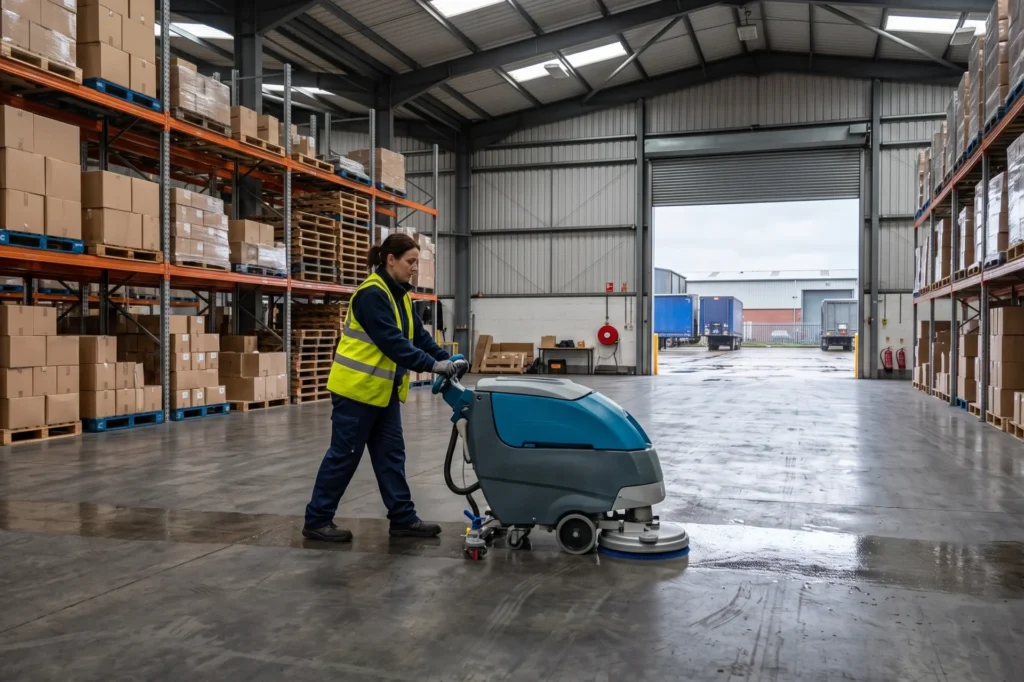
High-value industrial machinery such as the i-mop XL Plus scrubber dryer represents a substantial capital outlay. Outright ownership removes recurring finance obligations, and qualifying purchases may attract capital allowances. However, paying cash reduces immediate operational liquidity. Facilities businesses must judge whether committing cash reserves to heavy machinery is prudent. Liquid reserves support payroll, business expansion, and unforeseen operating emergencies.
Tax-Efficient Machinery Leasing and Short-Term Hire
Asset finance and leasing models offer a practical alternative by spreading equipment costs across predictable multi-year terms. Operating lease rentals are generally treated as allowable business expenses against taxable profits. This model provides tax efficiency whilst preserving liquid capital for ongoing commercial growth. Your accountant should confirm treatment for your business.
Leasing modern equipment gives cleaning contractors advanced floorcare tools capable of cleaning up to 1,800 square metres per hour. Short-term hire provides emergency capacity during sudden machine breakdowns or temporary deep-cleaning contracts. Matching the acquisition model to contract duration safeguards profit margins and ensures uninterrupted cleaning performance.
Price-Checked Deals
Stock up on our fast-moving wholesale cleaning products today. We constantly monitor these price-checked deals to lower your commercial overheads..
Regulatory Compliance for Healthcare, Education, and Catering
EN 14476 Standards and Care Quality Commission Audits
Healthcare and residential care facilities operate under strict infection prevention duties enforced by the Care Quality Commission. Regulation 12 covers infection control, whilst Regulation 15 requires clean premises and equipment. Meeting both demands verified cleaning protocols backed by documented chemical formulations. Certified formulations help teams control pathogens across high-risk touchpoints.
SoluCLEAN Anti-Viral Cleaner is tested to EN 14476, which independently demonstrates virucidal efficacy against enveloped viruses in a single step. Accessible safety data sheets, clear dilution records, and technical compliance certificates protect care providers during formal inspections. This documented evidence shows that hygiene practices actively safeguard vulnerable residents from cross-contamination.
BICSc Colour-Coding and Cross-Contamination Prevention
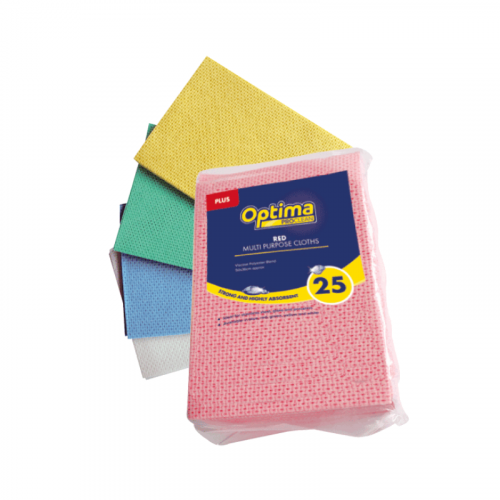
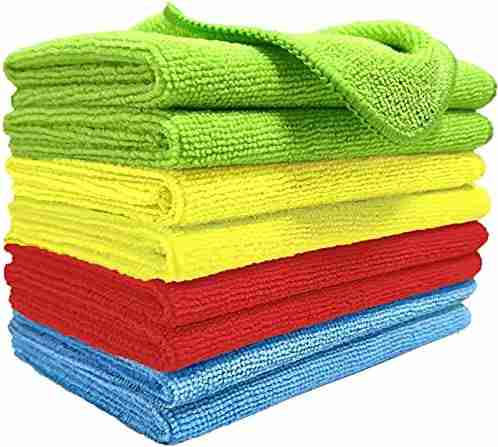
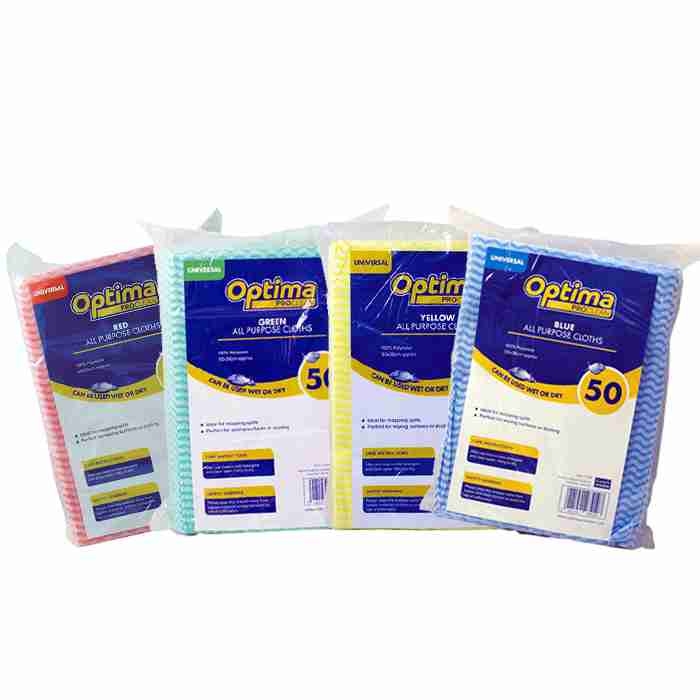
Preventing cross-contamination between hygiene zones requires a disciplined colour-coding framework aligned with British Institute of Cleaning Science guidance. Red equipment is allocated to washrooms, whilst blue serves general office surfaces. Green is assigned to catering zones, and yellow protects clinical environments. This strict colour separation removes accidental cross-contamination risks across busy commercial facilities.
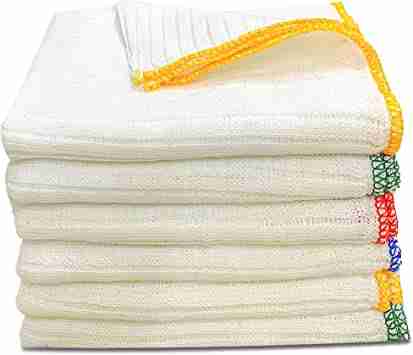
The colour-coded regime applies across all cleaning hardware, including microfibre cloths, mop handles, and chemical trigger bottles. We supply pre-labelled Bottle for Life dispensing systems matched to specific functional zones. This clear visual standard simplifies staff training and supports audit readiness. It also ensures food-safe degreasers never mix with washroom descaling chemicals.
Built for Your Industry
Hygieia provides products and equipment into the three key UK sectors where cleaning standards run highest. Each card links to that sector’s compliance detail, recommended machines, and live case studies.
Facilities Management
Multi-site contractor support nationwide
Single rolling lease contract across all your customer sites. Replace machines as contracts win or lapse – no capital tied up.
Education & Schools
Safe corridors, term-time delivery slots
Quiet, slip-prevention scrubbers for corridors and halls. Term-time delivery slots designed not to disrupt teaching.
Healthcare & NHS
EN 14476 viral compliance for CQC sites
EN 14476-compliant chemistry and machines that meet Regulation 15 of the CQC cleanliness standards across NHS and care sites.
Specialist Carpet Care and Waste Management Protocols
Advanced Fibre Restoration and Stain Chemistry
Commercial carpet maintenance demands advanced chemical formulations to extract deep-seated soils without damaging delicate synthetic or wool pile fibres. Targeted pre-sprays, extraction rinses, and spotting gels allow facilities teams to restore high-traffic reception areas and hospitality venues to immaculate standards. Proper chemical selection preserves flooring investments across corporate and retail premises.
Industry-standard solutions such as Prochem Trafficlean provide the alkaline concentration needed to break down greasy soil tracks before hot-water extraction. Combining effective pre-treatments with acidic rinses such as Prorinse neutralises chemical residues. This prevents premature re-soiling and fibre browning. The right chemistry protects commercial flooring assets and extends carpet replacement intervals considerably.
Commercial Waste Duty of Care and Segregation
UK waste legislation places a legal duty of care on every business that produces, stores, or transfers commercial waste. Facilities managers must segregate waste streams properly at source and use registered carriers. Documented transfers prove that waste reached an authorised destination. Proper segregation also keeps recyclable material out of landfill unnecessarily.
CHSA-accredited refuse sacks withstand heavy commercial loads without splitting during collection. For catering and food-service facilities, EN 13432 certified compostable bin liners allow organic waste to enter industrial composting channels safely. Durable waste hardware and accurate record-keeping keep commercial operations compliant with UK environmental protection legislation.
Get a Trade Quote
Final Thoughts
Securing the right Rotherham janitorial supplies provider establishes a strong foundation for operational efficiency, regulatory compliance, and consistent profitability. Commercial facilities management requires more than ad-hoc product purchases. It demands verified chemical efficacy, durable machinery, and dependable distribution links across South Yorkshire. Aligning daily procurement with structured wholesale support removes administrative hurdles and equips cleaning teams to deliver outstanding hygiene standards.
Facilities managers and cleaning contractors who review procurement regularly gain a clear advantage. Concentrated formulations, flexible machinery finance, and disciplined colour-coded systems protect building assets, worker safety, and audit readiness. Dependable trade relationships and close monitoring of cost-in-use metrics give regional cleaning operations a resilient base for long-term growth.
Frequently Asked Questions
Q: What documentation is required to open a commercial cleaning trade account?
A: Opening a professional B2B trade account requires basic commercial details. You will provide your registered company name, company registration number, VAT number if applicable, and full trading address. The application also asks for accounts payable contact details and standard trade credit references. Most applications are processed within twenty-four to forty-eight hours without intrusive credit hurdles. Approval grants access to thirty-day payment terms, dedicated support lines, and consolidated monthly invoicing for multi-site commercial operations.
Q: How do concentrated soluble sachets compare in cost to ready-to-use cleaning chemicals?
A: Concentrated water-soluble cleaning sachets such as SoluCLEAN reduce chemical expenditure by up to 60 per cent compared with pre-mixed, ready-to-use trigger sprays. Ready-to-use products incur heavy transport costs because they mainly ship water in single-use plastic bottles. Sachets instead ship dry active ingredients in compact packaging. Operators create fresh professional-grade solutions on-site for approximately sixty pence per litre. This approach prevents over-dosing, reduces plastic waste by 70 per cent, and cuts storage space requirements by 96 per cent.
Q: Why is EN 14476 certification essential for care home cleaning chemicals?
A: EN 14476 is the European standard, adopted in the UK as BS EN 14476, for testing the virucidal activity of chemical disinfectants. Care Quality Commission inspectors examine infection control under Regulation 12 and cleanliness of premises under Regulation 15. They expect documented evidence that disinfectants are effective against relevant viruses. Uncertified retail products leave care homes exposed during inspections. Formulations tested to EN 14476, such as SoluCLEAN Anti-Viral Cleaner, provide that evidence and support audit-ready infection control across resident and clinical areas.
Q: What are the primary benefits of leasing commercial floor scrubbers over cash purchase?
A: Leasing commercial floor machinery preserves liquid working capital. Cleaning contractors can deploy high-performance equipment such as the i-mop without a large upfront outlay. Fixed monthly payments spread over two to five years simplify cash flow forecasting. Operating lease rentals are generally treated as allowable business expenses, although your accountant should confirm this. Leasing also lets contractors refresh equipment fleets regularly. Operatives therefore use modern, reliable machines that maximise productivity, and businesses avoid the financial risk of equipment obsolescence.
Q: How does the colour-coded cleaning system protect commercial premises?
A: The British Institute of Cleaning Science colour-coding system assigns specific colours to distinct functional zones. Red applies to washrooms, whilst green covers catering and food preparation. Blue designates general office areas, and yellow protects clinical spaces. Applying this strict segregation across cloths, mops, buckets, and trigger sprays prevents cross-contamination. Equipment used on washroom sanitary ware never reaches office desks, catering surfaces, or clinical treatment rooms. This systematic approach supports regulatory compliance and simplifies staff training across commercial facilities.