
Barnsley Janitorial Supplies: Open a Trade Account Today
Operating a commercial cleaning enterprise across South Yorkshire demands dependable access to professional hygiene materials every single day. Sourcing Barnsley janitorial supplies through dedicated trade channels benefits regional cleaning teams. Contractors, healthcare facilities, and educational sites secure certified formulations and industrial hardware without retail markups. Facilities teams must balance tight operational budgets against strict statutory hygiene standards. Reliable commercial procurement ensures consistent product availability, ongoing technical support, and transparent wholesale pricing across every cleaning contract.
Modern cleaning operations require reliable suppliers who eliminate ordering friction and stock industrial machinery. Facilities teams also demand continuous regulatory compliance across all consumable lines. Reliable logistics protect service standards across commercial contracts. Can your current distributor provide verified wholesale rates, full safety data, and flexible delivery schedules for your local commercial contracts?
Key Takeaways
- Trade accounts streamline operational purchasing by consolidating multi-site orders into predictable thirty-day credit schedules that preserve working capital for commercial contractors across the region.
- Daily price benchmarking ensures facilities teams obtain genuine trade rates across consumables, specialist chemicals, and heavy equipment without hidden supplier charges or seasonal price increases.
- Eliminating minimum order requirements allows regional cleaning businesses to order exact quantities, preventing redundant inventory storage and freeing up vital cash flow for expansion.
- Flexible machinery procurement options include outright purchase, tax-deductible leasing, and short-term hire to support varied commercial facility cleaning contracts without tying up working capital.
- Rigorous compliance standards such as EN 14476 certification and colour-coded protocols ensure healthcare and educational environments satisfy external regulatory inspections during routine quality audits.
Commercial Procurement Frameworks for Regional Facilities
Commercial cleaning procurement requires structured operational systems that support reliable hygiene performance. Facilities managers must select between pay-as-you-go purchasing and formal business accounts to balance cash flow against administrative efficiency. The following comparison illustrates how different operational mechanisms impact day-to-day facility management across Yorkshire commercial operations.
Choosing an integrated supply partner provides verified technical documentation alongside everyday core consumables. The operational framework below highlights how different purchasing methods impact organisational operating costs. It details regional fulfilment structures, machine acquisition strategies, and regulatory compliance overheads for professional cleaning providers across commercial environments.
| Procurement Element | Transactional Purchasing | Structured Trade Facility |
|---|---|---|
| Payment Mechanism | Upfront card transaction per order | Consolidated 30-day net credit terms |
| Order Thresholds | Rigid minimum spend hurdles | Zero minimum order constraints |
| Pricing Discipline | Fluctuating spot prices | Daily price-benchmarked wholesale rates |
| Equipment Access | Capital-heavy cash purchase only | Tax-efficient leasing, hire, or purchase |
| Compliance Backing | Self-sourced documentation | Pre-verified EN standards and COSHH files |
Trade Accounts Versus Cash Purchase for Professional Contractors
Working Capital Management Through Credit Facilities
Opening a dedicated trade account transforms daily procurement for commercial cleaning contractors and facilities teams. Businesses avoid settling every transaction with corporate credit cards. A 30-day credit facility consolidates monthly purchases into a single invoice. This arrangement aligns consumable expenses directly with client billing cycles.
This operational structure protects liquidity during intense cleaning schedules. A contractor servicing eight separate commercial sites can order daily consumables without depleting immediate cash reserves. Centralised VAT invoicing simplifies accounting audits and eliminates the burden of tracking fragmented receipts across numerous operational teams.
Evaluating Cash Purchases for Smaller Operations
Upfront cash purchasing remains a practical option for newly established businesses or sole traders handling limited, irregular contracts. New operations often lack formal trading history. They can secure cleaning stock immediately without submitting trade references or balance sheets. This removes administrative barriers during the initial setup phase.
However, ongoing cash purchases introduce administrative overhead as order volumes rise. Processing separate payments for routine orders drains administrative time and fragments purchasing data. Transitioning to a verified trade facility provides account holders with priority stock allocation. Members also receive back-order scheduling and direct access to specialist technical advice.
Wholesale Price-Check Verification and Operational Cost Control
Systematic Market Benchmarking Against Wholesale Rates
Rigorous daily price checking protects commercial buyers from unexpected wholesale inflation across high-turnover consumables. Suppliers benchmark stocked lines continuously against leading national distributors. This discipline guarantees competitive market rates on chemical drums, paper products, and protective equipment. Contractors avoid negotiating individual product prices manually.
This disciplined pricing strategy provides absolute transparency for competitive client tenders. Buyers avoid the seasonal price spikes common in janitorial distribution, ensuring stable profit margins on long-term facility contracts. Facilities managers can reliably budget their ongoing operating costs. They secure trade price cleaning supplies across multi-year maintenance agreements with confidence.
Hidden Costs Within Marketplace Consumables
Unregulated online marketplaces frequently list low-cost cleaning formulations that carry significant operational risks. Cheap chemical listings often feature diluted active ingredients or short shelf lives. Missing safety data sheets also leave operators vulnerable to statutory liabilities. Commercial sites require fully certified chemical formulations for safe daily use.
Substandard paper goods and inferior protective gloves fail under standard commercial use, increasing material consumption. Sourcing verified commercial goods ensures proper material thickness, strict manufacturing quality, and verified dilution yields. In practice, we find that real commercial savings stem from calculated cost-in-use metrics rather than low initial retail purchase prices.
Fulfilment Architecture and Regional Collection Networks
Scheduled Route Delivery for Commercial Consistency
Reliable delivery routes form the backbone of efficient facility maintenance across South Yorkshire commercial hubs. Scheduled logistics fleets transport bulky liquid drums, palletised paper rolls, and heavy scrubbing machinery directly to customer premises. Cleaning teams receive critical supplies on dependable timelines that match their operational shift patterns.
Coordinated regional transport routes lower distribution costs compared to ad-hoc pallet couriers. Routine delivery schedules allow site managers to establish predictable replenishment rhythms. Facilities avoid emergency shortages by synchronising regular orders with regional delivery runs. These local routes serve commercial estates across the Dearne Valley and surrounding districts.
Warehouse Collection for Time-Critical Requirements
Direct warehouse collection offers an immediate solution when unexpected cleaning emergencies or rapid contract mobilisations occur. Trade account customers can pre-arrange collection slots at regional distribution hubs. Internal teams and mobile contractors collect required chemicals, replacement vacuum filters, or extraction hardware without courier delays.
A structured phone-ahead system ensures warehouse personnel pick, pack, and verify orders prior to arrival. Drivers simply present their purchase order reference at the trade counter to collect their supplies within minutes. This rapid turnaround minimises non-productive labour downtime when resolving unexpected facility spillages.
Trade Accounts
Transform your purchasing with our enterprise-grade procurement tool.
Pay By Monthly Invoice
Commercial Flexibility Through Zero Minimum Order Quantities
Eliminating Order Thresholds for Small Businesses
Restrictive minimum order values force small cleaning operations to tie up working capital in redundant inventory. Securing a trade account with no MOQ allows teams to purchase exact unit quantities. Contractors can buy a single five-litre floor maintainer or one specialist chemical pack without penalty.
Traditional wholesalers often demand substantial minimum spending thresholds that penalise small operations. Eliminating these barriers enables growing contractors to access professional chemical formulations without buying unwanted filler stock. Small enterprises can preserve their working capital whilst delivering professional results on specialist deep cleans.
Balancing Small Orders with Pallet Economics
Ordering without minimum thresholds provides exceptional flexibility for daily maintenance. However, bulk procurement remains standard for high-velocity consumables. Facilities operating large washroom estates achieve measurable savings by ordering full pallet loads. Buying toilet paper, hand towels, and disposable nitrile gloves in bulk significantly lowers unit costs.
An adaptable supplier accommodates both purchasing models seamlessly. Contractors can order single replacement parts or top-up chemicals midweek whilst scheduling monthly bulk shipments for staple paper supplies. This procurement balance prevents site clutter whilst securing high-volume commercial discounts across standard hygiene consumables.
Equipment Acquisition
Buy Outright
Full warranty, immediate ownership
Acquire market-leading commercial machinery outright, with full manufacturer warranty and direct delivery from our Selby HQ to site.
Lease Finance
Tax-efficient lease from £24 pcm
Spread the cost over 2, 3 or 5 years with no-deposit leasing on machines over £1,000, plus same-day approval and 7-day UK delivery.
Short-Term Hire
Cover breakdowns and one-off jobs
Hire professional scrubber dryers, carpet extractors and steam cleaners from our Selby HQ for emergency cover or one-off project work.
Machinery Acquisition Strategies for Facility Managers
Capital Expenditure Versus Operating Expense Models
Acquiring professional floor maintenance machinery requires careful financial planning to align capital commitments with contract durations. Facilities managers can choose outright capital purchase, structured leasing, or temporary hire. Decisions depend on balance sheet preferences and asset lifespans. The specific terms of commercial maintenance contracts also guide equipment choice.
Outright capital expenditure suits established operations with abundant reserves investing in long-life hardware. However, expending capital reduces working funds needed for operations. From experience across the sector, asset finance spreads machinery costs across flexible multi-year terms. These predictable monthly payments qualify as fully deductible business operating expenses.
Selecting the Right Machine for Site Profiles
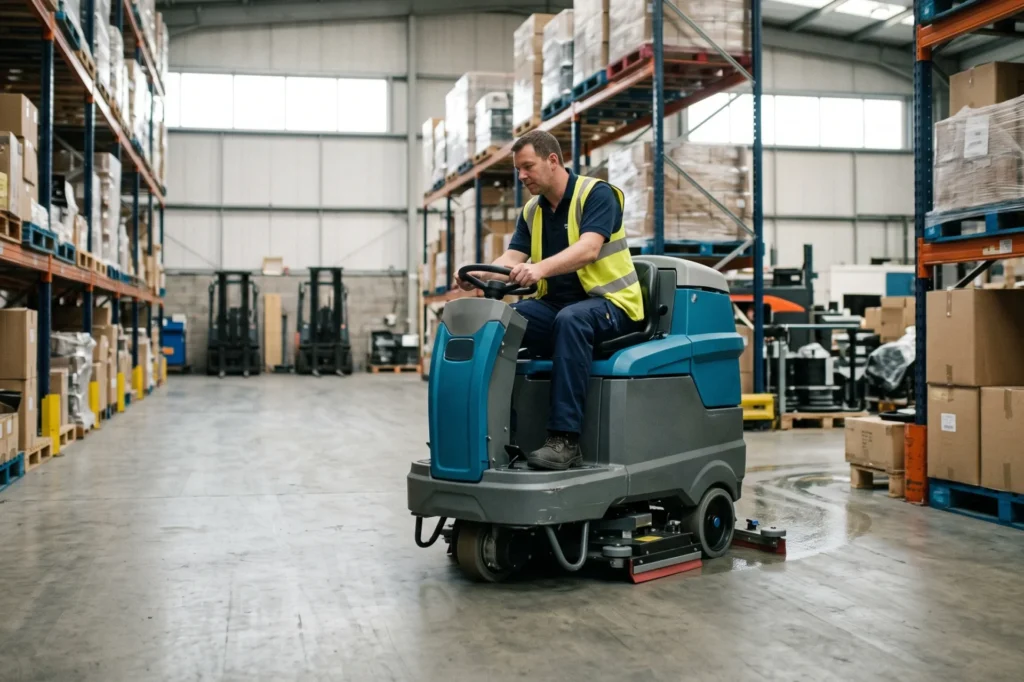
Machine specifications must reflect the physical floor plan and operational constraints of each facility. High-speed micro scrubber dryers clean up to 1,800 square metres per hour. They deliver dry, safe floors instantly in congested school corridors. This rapid drying eliminates the slip risks associated with traditional wet mopping.
Specialist compact scrubbing tools clean confined washrooms, stairwells, and vertical wall tiles where bulkier machines cannot operate. Commercial upright vacuums fitted with hospital-grade filtration remove ingrained debris from carpets. These machines improve indoor air quality whilst protecting flooring investments across retail, corporate, and healthcare estates.
Price-Checked Deals
Stock up on our fast-moving wholesale cleaning products today. We constantly monitor these price-checked deals to lower your commercial overheads..
Infection Control and Regulatory Cleaning Compliance
Meeting EN Standards and Health Care Mandates
Commercial healthcare cleaning demands chemical formulations verified under specific European test standards. Surface disinfectants must achieve EN 14476 certification to prove virucidal efficacy against harmful pathogens. Certified formulations ensure care environments maintain verifiable protection. Clinical spaces, patient rooms, and high-touch corridors require complete biocidal reassurance.
Under Care Quality Commission Regulation 15, premises and equipment must remain clean, hygienic, and properly managed. Cleaning teams must produce thorough audit trails during audits. Records must confirm correct chemical dilution ratios, contact times, and safety sheets. Using certified formulations ensures complete compliance during unannounced regulatory inspections.
Colour-Coding Protocols for Cross-Contamination Prevention
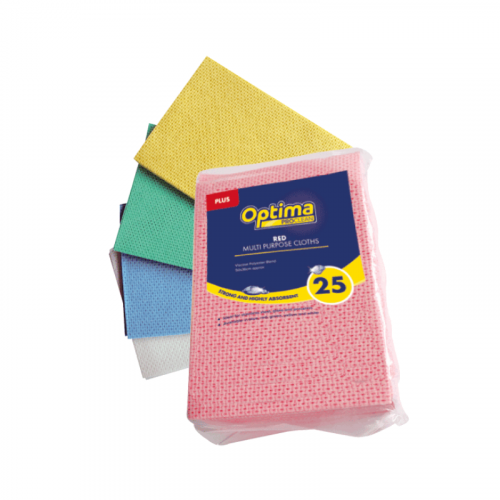
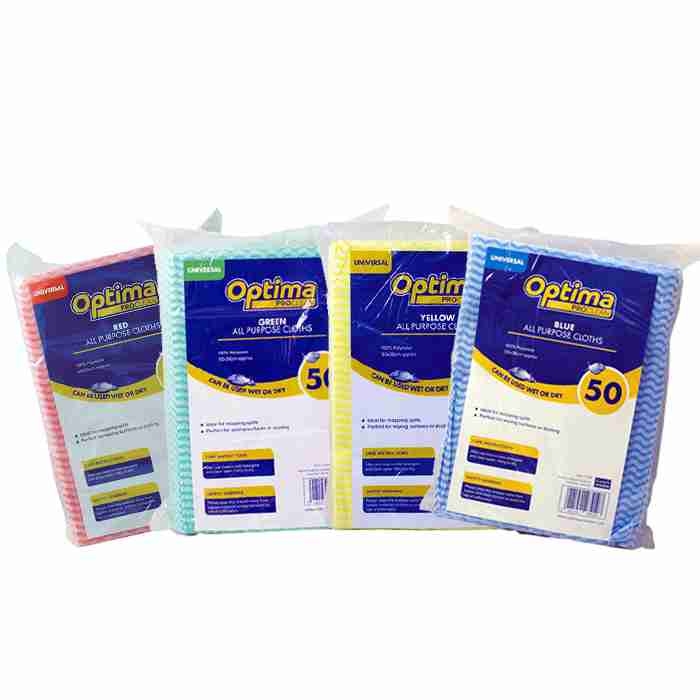
Cross-contamination presents an ongoing operational hazard across multi-use public facilities. Strict colour-coded cleaning systems establish visual boundaries across distinct hygiene risk zones. Teams use red equipment for washrooms and yellow for clinical spaces. Green tools serve food preparation areas, whilst blue items maintain general office zones.
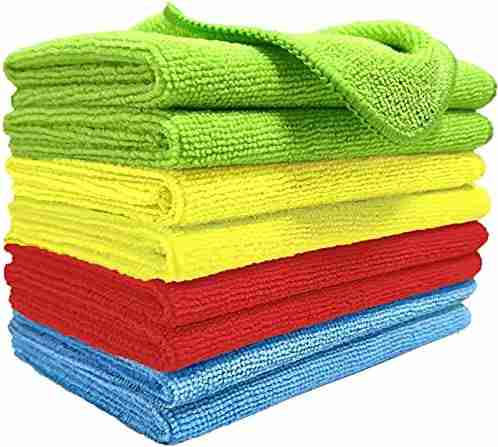
Standardising mop handles, microfibre cloths, and pre-labelled dilution bottles guarantees that cleaning operatives maintain rigorous contamination barriers. When operating across multi-site contracts, facilities teams reduce operational errors by deploying dedicated equipment sets across every zone. Clear visual colour coding simplifies staff induction and reassures building occupants regarding facility hygiene standards.
Built for Your Industry
Hygieia provides products and equipment into the three key UK sectors where cleaning standards run highest. Each card links to that sector’s compliance detail, recommended machines, and live case studies.
Facilities Management
Multi-site contractor support nationwide
Single rolling lease contract across all your customer sites. Replace machines as contracts win or lapse – no capital tied up.
Education & Schools
Safe corridors, term-time delivery slots
Quiet, slip-prevention scrubbers for corridors and halls. Term-time delivery slots designed not to disrupt teaching.
Healthcare & NHS
EN 14476 viral compliance for CQC sites
EN 14476-compliant chemistry and machines that meet Regulation 15 of the CQC cleanliness standards across NHS and care sites.
Sustainable Cleaning Chemistry and Waste Management Frameworks
Reducing Environmental Impact with Dissolvable Formulations
Transitioning to concentrated, water-soluble cleaning sachets eliminates single-use plastic waste across facilities management operations. These compact sachets dissolve rapidly in ordinary tap water. They generate professional virucidal, degreasing, or washroom cleaning solutions instantly. Operators no longer transport, handle, or dispose of heavy ready-to-use liquid bottles.
This concentrated technology eliminates inaccurate manual chemical measuring, ensuring staff produce the exact chemical concentration every time. The substantial reduction in packaging volume decreases warehouse footprint and simplifies stock tracking. Operations also eliminate the manual handling injuries associated with transporting heavy cases of traditional liquid chemicals.
Aligning with Modern Waste Management Legislation
Evolving waste regulations require commercial operations to segregate recyclable materials, food waste, and general refuse into auditable waste streams. Facilities require heavy-gauge refuse sacks for general refuse. They also utilise certified compostable liners complying with EN 13432 standards. This ensures complete structural integrity during municipal or industrial composting processes.
Tear-resistant, high-tensile refuse sacks prevent splits and spillages that generate hygiene hazards across loading bays and service corridors. Sourcing compliant, accredited liners guarantees that segregated organic waste streams pass local authority collection criteria. Maintaining transparent waste transfer procedures keeps commercial premises fully compliant with UK environmental duty of care requirements.
Get a Trade Quote
Final Thoughts
Securing high-quality Barnsley janitorial supplies relies on establishing a disciplined commercial supply partnership built on technical knowledge, regulatory compliance, and fair commercial terms. Cleaning contractors and facility directors require predictable access to certified chemicals, durable paper systems, and high-performance machinery. These proven hygiene systems significantly lower the true cost-in-use across diverse operational environments.
The janitorial sector continues to move toward super-concentrated formulations, closed-loop plastic reduction, and automated floor care machinery. Aligning your facility with a modern trade provider ensures ongoing access to high-efficiency cleaning technologies. These advanced tools lower manual labour demands, maintain statutory compliance, and improve overall environmental sustainability across every commercial contract.
Frequently Asked Questions
Q: What documentation is required to open a commercial trade account?
A: Setting up a trade account requires standard business verification details. Applicants provide their registered company name, company registration number, VAT details, trading address, and trade references. Most trade credit applications are processed within 24 to 48 hours. Once approved, businesses can immediately order supplies on established 30-day net payment terms with centralised monthly invoicing. Account holders also receive dedicated telephone support, priority allocation on back-ordered stock, and direct technical advice.
Q: How do concentrated soluble cleaning sachets reduce operational cleaning costs?
A: Soluble sachets cut commercial chemical spend by up to 60% compared to traditional ready-to-use liquid bottles. They eliminate shipping water weight, which dramatically lowers freight expenses and transport-related emissions. Pre-measured chemical doses prevent operatives from over-pouring liquid concentrates, guaranteeing precise dilution rates on every task. This eliminates product wastage and protects sensitive flooring from chemical damage. Furthermore, compact sachet cases cut facility storage requirements by up to 96% and remove heavy manual handling risks for staff.
Q: Which cleaning chemical accreditations are required for Care Quality Commission compliance?
A: Healthcare environments audited under Care Quality Commission Regulation 15 require hospital-grade disinfectants tested to rigorous British and European standards. Disinfectants must hold EN 14476 certification for proven virucidal efficacy against enveloped and non-enveloped viruses. Products should also meet EN 1276 or EN 13697 standards for bactericidal performance on hard surfaces. Beyond product accreditations, facilities must retain up-to-date COSHH safety data sheets on-site. Inspectors expect documented dilution ratios, established contact times, and structured staff training records for every cleaning chemical.
Q: Why should a commercial cleaning contractor lease rather than buy floor machinery?
A: Equipment leasing preserves working capital by spreading the cost of scrubber dryers across fixed monthly instalments. Monthly lease payments are typically 100% tax-deductible as direct business operating expenses, delivering immediate tax relief against annual profits. This financing route prevents capital drag and protects company cash flow during business expansion. Leasing also enables contractors to upgrade to the latest cleaning machinery at term completion. This structured flexibility prevents machine obsolescence, depreciation losses, and unexpected repair expenses.
Q: How does a colour-coded janitorial system prevent facility cross-contamination?
A: A colour-coded janitorial system divides cleaning equipment and consumables into distinct hygiene zones based on contamination risk. Standard British Institute of Cleaning Science guidelines allocate red tools to washrooms and green to catering areas. Yellow items serve clinical zones, whilst blue tools maintain low-risk general office spaces. This visual separation stops cleaning operatives from using washroom cloths on food preparation or general surfaces. Clear colour segregation maintains strict hygiene barriers, simplifies staff training, and reassures regulatory auditors during compliance inspections.