Hygieia Group Ltd

Huddersfield Janitorial Supplies: Open a Trade Account

Commercial floor cleaning machine being operated in a professional facility, Huddersfield janitorial supplies, trade price cleaning supplies, trade account with no MOQ

Huddersfield Janitorial Supplies: Open a Trade Account

Commercial cleaning contractors and facilities managers across Kirklees depend on steady access to certified chemicals, paper consumables and floorcare machinery. Sourcing reliable Huddersfield janitorial supplies becomes difficult when suppliers impose steep minimum orders or unpredictable pricing. The right trade partner protects margins, keeps every site stocked and supports the compliance records each contract now demands.

Cashflow pressure rarely eases just because a new contract starts. Contractors must weigh cash purchases against structured credit, and cheap stock against certified performance. So how can a cleaning business secure trade price cleaning supplies, fast delivery and technical support without tying up working capital?

Key Takeaways

  • A 30-day trade account consolidates fragmented supplier invoices into one monthly bill and protects working capital across ongoing cleaning contracts.
  • Daily price benchmarking against national UK wholesalers keeps trade price cleaning supplies competitive on core chemicals, paper and protective equipment.
  • A trade account with no MOQ lets smaller teams order single units at trade rates without stockpiling slow-moving specialist consumables.
  • Leasing floor scrubbers spreads cost into fixed monthly payments, whilst outright purchases may qualify for the Annual Investment Allowance instead.
  • EN 14476 certified disinfectants, BICSc colour-coding and documented COSHH controls give care and education settings the evidence inspectors expect.

Commercial Procurement Models for Cleaning Operations

Choosing the right procurement framework decides whether a cleaning business keeps healthy margins or runs short of cash mid-month. Facilities managers must weigh payment terms, fulfilment methods and equipment routes against monthly contract revenue. In practice, we find that transparent trade structures give contractors the flexibility to handle variable site demand across Huddersfield and wider West Yorkshire.

The table below sets out the main acquisition routes open to professional cleaning operations. Each route affects working capital differently. Reviewing them side by side helps finance directors and procurement leads match consumable and equipment purchases to cashflow, reporting duties and the delivery schedules each client contract requires.

Procurement ModelWorking Capital ImpactOperational Benefit
30-Day Trade AccountConserves cash for payrollOne consolidated monthly invoice
Cash or Card PurchaseImmediate draw on cash reservesNo credit application needed
Equipment LeaseFixed, predictable monthly costRentals generally treated as a business expense
Outright PurchaseSignificant upfront outlayFull ownership; may qualify for Annual Investment Allowance
Short-Term Machine HireLow commitment per projectCovers breakdowns and one-off deep cleans

Trade Accounts Versus Upfront Cash Purchases

Cashflow Advantages of 30-Day Credit Terms

A structured trade account preserves working capital by deferring payment across a 30-day billing cycle. Cleaning contractors often service contracts for weeks before their own clients pay. Net 30-day terms bridge that gap. Supervisors can deploy stock to every site immediately, without draining the cash reserved for wages, fuel and insurance.

Consider a contractor placing eight consumable orders each month. Paying each order by card creates eight receipts and eight reconciliations. A trade account replaces them with one consolidated invoice and a clear VAT breakdown. From experience across the sector, that single change saves hours of bookkeeping every quarter.

When Direct Cash Purchasing Makes Sense

Direct cash purchasing suits newly incorporated companies, sole traders below the VAT registration threshold and one-off specialist projects. Operators without a trading history can buy professional supplies straight away using a business debit card. They avoid credit reference checks entirely, yet still access commercial chemical formulations and trade-grade machinery at trade prices.

A credit application normally asks for a company registration number, VAT details and verifiable trade references. Sole traders who prefer to settle immediately skip that paperwork. Growing businesses, however, use credit terms to bid for larger facilities management tenders. Those tenders rarely pay out before the first month of consumables falls due.

Daily Wholesale Price Benchmarking Systems

How Daily Price Checks Work in Practice

A reliable wholesale partner checks prices daily against national UK distributors to keep baseline rates competitive. Procurement teams compare core lines such as bulk washroom paper, commercial chemicals and disposable gloves. This routine review stops local businesses paying inflated markups on the high-turnover janitorial stock they reorder every week.

Benchmarking also shields contractors from the seasonal cost spikes common in janitorial wholesale. If an account holder finds an identical specification at a lower published UK trade price, the team reviews it within 24 hours. Matching verified rates gives facilities managers the budget certainty that fixed-price cleaning contracts depend on.

Risks of Unverified Marketplace Purchases

Buying cheap cleaning products from generic online marketplaces exposes facilities managers to real operational and legal risk. Such products often arrive without compliant safety data sheets, in damaged packaging or with diluted active ingredients. Certified trade price cleaning supplies come with verified efficacy data, genuine manufacturer backing and the documentation COSHH assessments require.

Contractors also tend to overpay on bulk washroom paper and multi-pack PPE when buying from generalist retailers. Commercial systems such as coreless toilet rolls last longer between changes and remove cardboard waste. The true measure is cost-in-use, not the shelf price. Verified wholesale lines hold their specification from one delivery to the next.

Did You Know?

Under Regulation 11 of the Control of Substances Hazardous to Health Regulations 2002, employers must keep health surveillance records in a suitable form. Those records must be retained for at least 40 years from the date of the last entry.

Fulfilment Logistics and Warehouse Collection

Regional Delivery Routes and Courier Dispatch

Efficient fulfilment combines scheduled regional delivery routes with national next-day courier networks. Orders placed before the 2pm cut-off leave the warehouse the same day. Bulky chemical drums, palletised paper and heavy floor machinery travel on dedicated regional vans. Urgent PPE and smaller consumables move through next-day parcel services instead.

Regional vehicles carry heavy liquid containers safely, which cuts transit damage and keeps delivery costs down for high-volume accounts. Scheduled routes across Yorkshire give site supervisors a predictable replenishment cycle. When stock runs out unexpectedly, next-day courier dispatch replaces it quickly.

Trade Counter and Warehouse Collection

Warehouse collection offers an immediate fix when a contractor faces an equipment breakdown or a sudden stock shortage. Operators can book a collection slot at the Selby showroom and warehouse. Quoting an authorised purchase order number lets the warehouse team pick and pack the order before the van arrives.

Pre-booked collection prevents unnecessary downtime for mobile cleaning teams. Supervisors can pick up replacement vacuum motors, floor pads or specialist sanitisers within hours of ordering. That flexibility keeps emergency response crews on contract without waiting for a courier window.

Trade Accounts

Transform your purchasing with our enterprise-grade procurement tool.

Pay By Monthly Invoice

Flexible Purchasing Without Minimum Order Thresholds

What a Trade Account With No MOQ Changes

A trade account with no MOQ removes a real financial barrier for smaller cleaning businesses and single-site facilities teams. Many traditional wholesalers set a minimum spend before they will dispatch an order. Removing that threshold lets buyers order one case of chemicals, one replacement part or one box of gloves at wholesale rates.

Minimum order rules push contractors to pad orders with filler stock just to clear an arbitrary dispatch hurdle. Without them, supervisors buy exactly what each site needs. This lean approach preserves cash and keeps cleaning cupboards clear of surplus stock that may pass its shelf life.

Cashflow Protection for Growing Contractors

Small cleaning businesses scale more efficiently when they avoid stockpiling slow-moving specialist consumables. Buying single five-litre containers or individual dispensers at trade prices stops capital sitting idle on shelves. Contractors can then match purchasing to monthly invoice revenue, which keeps the business resilient as its client portfolio grows.

Pallet-tier pricing does offer modest savings for large operations. Smaller businesses, however, depend on liquidity more than volume discounts. Removing order minimums gives emerging contractors access to commercial-grade products without financial strain. Budget pressure then no longer forces a choice between cash and chemical performance.

Equipment Acquisition

Buy Outright

Full warranty, immediate ownership

Acquire market-leading commercial machinery outright, with full manufacturer warranty and direct delivery from our Selby HQ to site.

Lease Finance

Tax-efficient lease from £24 pcm

Spread the cost over 2, 3 or 5 years with no-deposit leasing on machines over £1,000, plus same-day approval and 7-day UK delivery.

Short-Term Hire

Cover breakdowns and one-off jobs

Hire professional scrubber dryers, carpet extractors and steam cleaners from our Selby HQ for emergency cover or one-off project work.

Commercial Floor Cleaning Machinery Acquisition

Capital Purchase, Leasing and Hire Compared

Facilities managers choose between buying, leasing and hiring machinery according to contract length, cash reserves and expected machine life. Outright purchase suits established businesses with surplus capital. Leasing spreads the cost across two to five years. Short-term hire covers breakdowns, seasonal peaks and one-off deep cleans without any long-term commitment.

Leasing a compact scrubber dryer such as the i-mop XL Plus preserves operating cash. A £5,000 machine spread over a five-year agreement becomes a fixed monthly cost. That predictable outlay sits alongside recurring contract income. It turns a heavy capital purchase into a manageable operating expense.

Tax Treatment and Fleet Upgrades

Lease rentals on cleaning machinery are generally deductible as a business expense, which spreads tax relief across the agreement. Outright purchases can also attract full relief in year one through the Annual Investment Allowance. The better route therefore depends on cashflow rather than tax alone. An accountant should confirm the treatment for each business.

Lease agreements also make fleet upgrades simpler at the end of each term. Current machinery protects productivity on client sites. The i-mop XL has a theoretical output of up to 1,800 square metres per hour. Its practical rate sits between 1,000 and 1,300 square metres. That still far outpaces a mop and bucket, and floors dry almost immediately.

Price-Checked Deals

Stock up on our fast-moving wholesale cleaning products today. We constantly monitor these price-checked deals to lower your commercial overheads..

Infection Control and Healthcare Regulatory Standards

Virucidal Testing Under EN 14476

BS EN 14476 is the European standard test for the virucidal activity of chemical disinfectants used in medical settings. A product passes only when it achieves a four-log reduction, inactivating 99.99% of the test virus within the stated contact time. Full virucidal claims cover both enveloped and non-enveloped viruses, whilst limited-spectrum claims cover enveloped viruses only.

Combined cleaner-disinfectants such as SoluCLEAN Anti-Viral Cleaner clean and disinfect in a single action. That removes a separate pre-clean stage on routine surfaces. In care homes, schools and clinics, we recommend checking the test certificate for the exact organisms and contact time claimed. Norovirus, influenza and coronaviruses each demand the right claim.

CQC Regulations 12 and 15 Compliance

Under the Health and Social Care Act 2008 (Regulated Activities) Regulations 2014, Regulation 12 requires providers to assess and control the risk of infection. Regulation 15 requires premises and equipment to be clean and properly maintained. Providers must evidence both through cleaning schedules, product records, maintenance logs and staff training.

Inspectors look at cleaning processes, not just surface appearance. Documented schedules, medical device wipes such as Sani-Cloth and touch-free sanitising stations all demonstrate a working infection control regime. Sourcing verified supplies with complete data sheets makes that evidence far easier to assemble before an inspection.

Built for Your Industry

Hygieia provides products and equipment into the three key UK sectors where cleaning standards run highest. Each card links to that sector’s compliance detail, recommended machines, and live case studies.

Facilities Management

Multi-site contractor support nationwide

Single rolling lease contract across all your customer sites. Replace machines as contracts win or lapse – no capital tied up.

Education & Schools

Safe corridors, term-time delivery slots

Quiet, slip-prevention scrubbers for corridors and halls. Term-time delivery slots designed not to disrupt teaching.

Healthcare & NHS

EN 14476 viral compliance for CQC sites

EN 14476-compliant chemistry and machines that meet Regulation 15 of the CQC cleanliness standards across NHS and care sites.

Colour-Coded Hygiene Protocols and Chemical Safety

BICSc Colour-Coding for Cross-Contamination Control

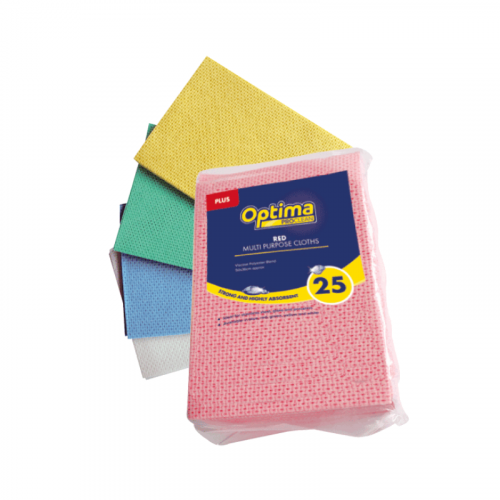
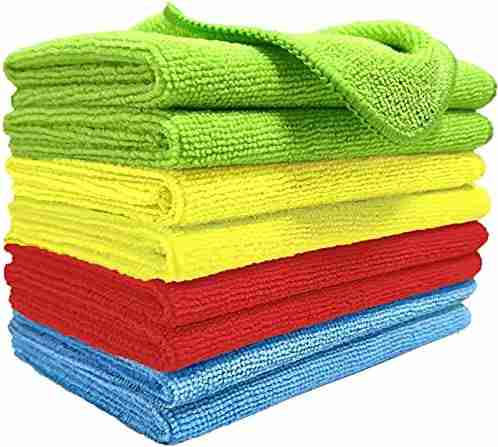
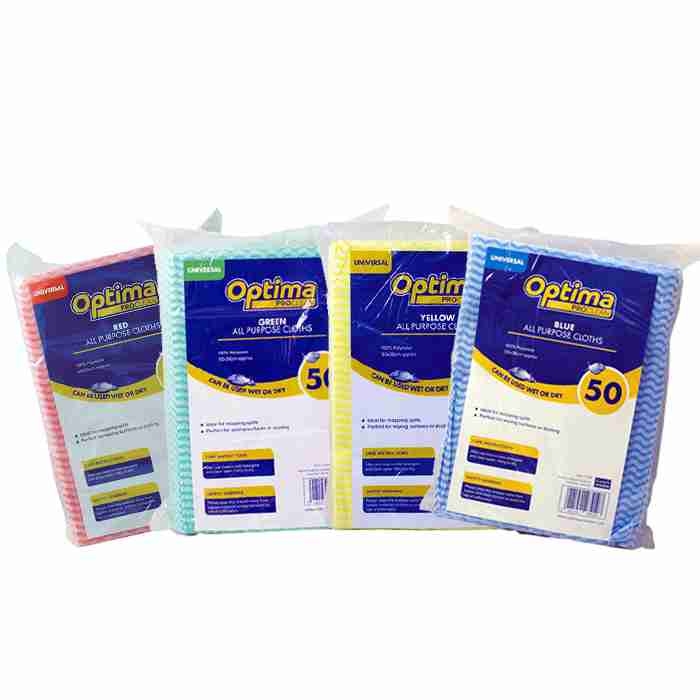
The British Institute of Cleaning Science colour-coding system separates equipment by zone to prevent cross-contamination. Red covers washrooms, toilets and urinals. Blue covers general low-risk areas such as offices. Green covers catering and food preparation, whilst yellow covers clinical and isolation areas. Operatives never move a cloth or mop between zones.

Refillable systems such as the SoluCLEAN Bottle for Life programme pair colour-coded trigger bottles with pre-printed safety guidance. Assigning a permanent colour to each zone removes guesswork for operatives. In practice, this simple visual control is one of the most effective defences against cross-contamination in healthcare, education and commercial buildings.

COSHH Duties and Precise Dosing Systems

The Control of Substances Hazardous to Health Regulations 2002 require employers to assess and control exposure to hazardous cleaning chemicals. Sites must hold current safety data sheets and train operatives in correct dilution. Pre-measured water-soluble sachets remove the risk of accidental overdosing and reduce operative contact with concentrated product.

Free-pouring liquid concentrate often leads to overdosing, which damages floor finishes and inflates consumable costs. Pre-dosed sachets deliver the correct dilution every time. That precision protects operatives, simplifies COSHH records and ensures each formulation performs as its test data states.

Get a Trade Quote

Please enable JavaScript in your browser to complete this form.
Declaration

Final Thoughts

Securing dependable Huddersfield janitorial supplies means balancing product efficacy, financial flexibility and statutory compliance. Contractors across West Yorkshire benefit from trade accounts that combine competitive wholesale pricing with no minimum order. Pairing certified EN 14476 disinfectants with productive floor machinery keeps client premises compliant and protects margins.

The sector continues to move towards concentrated formulations, precise dosing and flexible machinery finance. Contractors who keep disciplined procurement records and complete compliance trails will be best placed to win and retain facilities management contracts in the years ahead.

Frequently Asked Questions

Q: What documentation is required to open a janitorial trade account?

A: Most suppliers ask for a registered company number, VAT registration details, a trading address and contact details for an authorised director or finance signatory. Many also request trade references from existing suppliers to set an appropriate credit limit. Applications are typically reviewed within 24 to 48 hours. Approval opens a 30-day credit facility, so orders can be placed straight away and paid in a single monthly settlement.

Q: How does a daily wholesale price-check guarantee operate?

A: The supplier monitors published prices from UK janitorial wholesalers across its core chemical, paper and PPE ranges. If an account holder finds an identical stocked product at a lower price from an authorised UK distributor, they can submit it for review. The wholesale team checks the specification within 24 hours. Once verified, the supplier matches the lower price, which protects contractors from unexpected increases on high-turnover consumables.

Q: Can small cleaning contractors purchase supplies without meeting minimum order values?

A: Yes. Many trade suppliers now operate without minimum order quantities on standard consumable lines. A contractor can buy a single five-litre container, a pack of vacuum bags or one box of nitrile gloves at the same trade rate applied to larger orders. This stops smaller businesses tying up working capital in slow-moving stock. It also removes the need to add filler items just to reach a dispatch threshold.

Q: What financial advantages does machinery leasing provide over outright purchase?

A: Leasing spreads the cost of a machine across fixed monthly payments, usually over two to five years. That keeps cash available for payroll and other running costs instead of one large capital outlay. Lease rentals are generally a deductible business expense. Outright purchases can also qualify for full first-year relief through the Annual Investment Allowance, so the right choice depends mainly on cashflow. An accountant can confirm the position for each business.

Q: Why is EN 14476 certification essential for commercial disinfectants?

A: EN 14476 is the laboratory test standard that proves a disinfectant can inactivate viruses. A product must achieve a four-log reduction, killing 99.99% of the test virus within its stated contact time. Care homes, schools and clinics rely on this evidence when choosing products to control norovirus, influenza and coronaviruses. Certified products also help providers demonstrate effective infection control to inspectors under CQC Regulation 12.

About The Author

Andrew Bodle is the Founder of The Hygieia Group Ltd, the Selby-based wholesale supplier of professional cleaning supplies and commercial machinery. He launched the business in 1991 and brings 35 years of hands-on industry experience to every product decision. Andrew personally selects every machine on the Hygieia portfolio and reviews the company’s editorial content to keep every recommendation grounded in real-world operational use, not retail spec-sheet theory.

Andrew Bodle, Founder – The Hygieia Group Ltd

Follow Andrew on LinkedIn

Scroll to Top